Hiking with an infant might sound challenging, but it can be one of the most rewarding experiences for you and your little one. Imagine fresh air, peaceful trails, and the joy of watching your baby discover nature for the very first time.
You might wonder how to keep your baby safe and comfortable while enjoying the great outdoors. This guide will help you prepare, stay confident, and make every step of your hike enjoyable. Ready to turn your family adventure into a memorable bonding moment?
Keep reading to find out how to hike with your infant the smart and safe way.

Credit: www.wta.org
Choosing The Right Trail
Choosing the right trail is key for a safe and fun hike with an infant. It ensures comfort and enjoyment for both you and your baby. Picking a suitable path means considering many factors like difficulty, terrain, and family-friendly features.
Trail Difficulty And Length
Select trails that are easy to moderate in difficulty. Steep or rocky paths can be risky with an infant. Keep the hike short to avoid tiring yourself and your baby. A trail under two miles is often best. This helps keep energy levels high and stress low.
Terrain And Weather Considerations
Choose smooth and even terrain for stability. Avoid trails with loose rocks or mud. Check the weather forecast before heading out. Mild weather is ideal for your infant’s comfort. Dress your baby in layers to adjust to changes.
Family-friendly Trail Options
Look for trails designed for families. These often have clear signs, rest spots, and gentle slopes. Parks and nature reserves usually offer safe paths for young children. Trails near water or with interesting sights keep your baby entertained.

Credit: byland.co
Selecting Baby Gear
Choosing the right baby gear is important for hiking with an infant. The right equipment keeps your baby safe and comfortable. It also makes your hike easier and more enjoyable. Focus on gear that fits your baby’s needs and matches the hiking conditions.
Infant Carriers And Backpacks
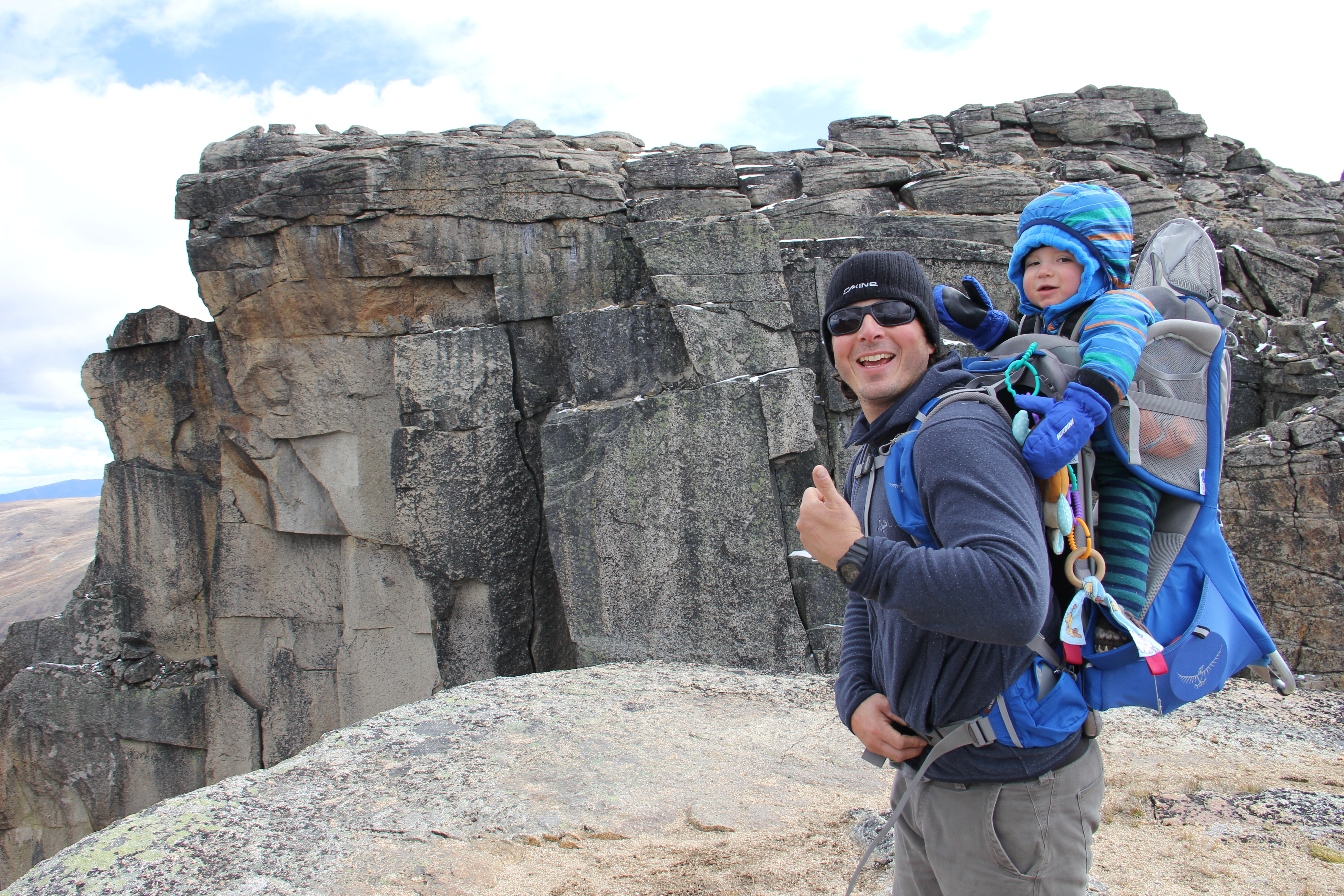
Infant carriers and backpacks are essential for hands-free hiking. Look for carriers with good support for your baby’s head and neck. Padded straps and waist belts help distribute weight evenly. Choose carriers with breathable fabric to keep your baby cool. Backpacks with storage pockets are useful for carrying extra items.
Clothing And Weather Protection
Dress your baby in layers to adjust to changing weather. Use soft, breathable fabrics to avoid skin irritation. A hat protects from sun and wind. Waterproof jackets keep your baby dry in rain. Gloves and socks add warmth in cold weather. Remember, babies cannot regulate their body temperature well.
Packing Essentials For Babies
Pack enough diapers and wipes for the whole hike. Bring a portable changing mat for clean diaper changes. Carry extra baby food or formula if needed. A small first aid kit helps with minor scrapes or bites. Don’t forget sunblock and insect repellent safe for infants. A favorite toy or blanket can comfort your baby.
Safety Measures
Hiking with an infant requires careful safety measures. Parents must plan well to keep their baby safe and comfortable. Paying attention to hydration, sun protection, and baby’s signals is important. These steps help ensure a happy hiking experience for both.
Keeping Infant Hydrated And Nourished
Babies need regular fluids during hikes. Breast milk or formula is essential for hydration. Bring enough bottles or feeding supplies for the trip. Offer small amounts often to avoid dehydration. Pack easy snacks if your baby has started solids. Monitor for any signs of hunger or thirst.
Sun And Insect Protection
Infants have sensitive skin that burns quickly. Dress your baby in lightweight, long sleeves and hats. Use baby-safe sunscreen on exposed skin. Avoid direct sunlight during peak hours. Protect your infant from bugs with netting or safe repellents. Check the baby often for any insect bites or irritation.
Recognizing Signs Of Discomfort Or Distress
Watch your infant closely for signs of discomfort. Crying, fussiness, or changes in skin color are alerts. Check for overheating, cold, or tight clothing. Adjust your baby carrier for better support. Stop hiking and rest if the baby seems upset. Respond quickly to keep your infant calm and safe.
Planning And Preparation
Planning and preparation are key to a safe and fun hike with your infant. Careful steps before the trip help avoid stress. Think about your baby’s needs and the trail’s demands. Good preparation means more smiles and less trouble.
Start early by choosing the right time and place. Know what to pack and how to keep your baby safe. Prepare for surprises. These efforts make your hiking experience calm and enjoyable for both of you.
Timing Your Hike
Pick a time when your baby is usually calm and happy. Morning hikes often work best. Avoid the hottest parts of the day to keep your infant cool. Short hikes fit better for little ones. Plan breaks often for feeding and resting.
Informing Others And Emergency Plans
Tell a friend or family member about your hike plan. Share the trail and expected return time. Carry a fully charged phone and a basic first aid kit. Know the nearest help spots along the trail. Stay alert to your baby’s needs and surroundings.
Preparing For Unexpected Situations
Pack extra clothes, diapers, and food for your infant. Bring sunscreen and insect repellent safe for babies. Have a rain cover for sudden weather changes. Keep a small blanket or shawl handy. Stay calm if something goes wrong. Be ready to turn back if needed.
During The Hike
Hiking with an infant is a unique experience. It needs careful attention and gentle care. During the hike, your focus should be on comfort and safety for both you and your baby. Every step matters to keep the journey pleasant.
Maintaining A Comfortable Pace
Keep your walking speed slow and steady. Avoid rushing or long bursts of fast walking. Your baby feels the rhythm, so calm steps help them stay relaxed. Stop if your baby shows signs of discomfort or fussiness.
Frequent Breaks And Infant Care
Take breaks often to check on your baby’s needs. Use breaks to feed, change diapers, and let your baby rest. Find shaded spots for breaks to protect your infant from sun and wind. Listen closely to your baby’s cues and respond quickly.
Engaging Baby With Nature
Talk softly to your baby during the hike. Point out birds, leaves, and flowers. Let your baby touch safe plants and feel the breeze. These simple moments make the hike fun and help your baby learn.
Credit: engage.gov.bc.ca
Post-hike Care
After a hiking trip with your infant, post-hike care is crucial. It helps keep your baby safe and comfortable. Taking time to check and clean up prevents any issues from becoming serious. It also ensures your gear stays in good shape for the next adventure.
Checking For Irritations Or Injuries
Carefully look over your baby’s skin and body. Search for any redness, rashes, or bug bites. Check the hands, feet, and neck areas. Look for scratches or bruises from branches or rocks. Pay attention to your baby’s reactions. Any unusual fussiness could signal discomfort or pain.
Cleaning Gear And Baby Items
Remove dirt and mud from baby carriers and blankets. Use gentle wipes or a damp cloth for cleaning. Wash any bottles, pacifiers, or toys used during the hike. Let all items dry completely before storing. Proper cleaning keeps your baby safe from germs and bacteria.
Reflecting On The Experience
Think about what went well and what was hard. Note how your baby reacted to the outdoors. Consider any changes needed for next time. Reflecting helps improve future hikes. It makes each trip easier and more enjoyable for both of you.
Frequently Asked Questions
What Essential Gear Do I Need For Hiking With An Infant?
You need a comfortable baby carrier, sun protection, diapers, snacks, and first-aid supplies. Dress your infant in weather-appropriate clothing. Bring extra layers and a blanket for comfort and warmth.
How Do I Keep My Infant Safe During A Hike?
Always use a secure carrier that supports the baby’s head and neck. Stay on easy trails and avoid rough terrain. Keep an eye on weather changes and take frequent breaks to check on your infant.
What Is The Best Age To Start Hiking With An Infant?
Most experts recommend starting when your baby is at least 3 to 6 months old. By then, infants usually have better head control and can tolerate being outdoors longer. Always consult your pediatrician before your first hike.
How Long Should I Hike With An Infant?
Start with short hikes of 30 minutes to 1 hour. Gradually increase duration based on your baby’s comfort and your experience. Avoid overexertion and be prepared to turn back if needed.
Conclusion
Hiking with your infant brings joy and fresh air to both. Plan carefully to keep your little one safe and comfortable. Choose easy trails and bring all necessary supplies. Take breaks often and watch your baby closely. Enjoy the calm nature and special bonding time.
Each step creates memories you will always treasure. Keep exploring gently, and your baby will love the outdoors too.