When you’re packing for a backpacking trip, one big question pops up: how much should your backpack actually weigh? Carrying too much can slow you down, tire you out, and even cause injury.
But packing too little might leave you unprepared for the challenges ahead. Finding the right balance is key to enjoying every step of your adventure. You’ll discover exactly how to figure out the perfect backpack weight for your body and trip.
Keep reading to learn simple tips that will make your journey easier and more enjoyable.
Ideal Backpack Weight
Choosing the right backpack weight is key for a happy hiking trip. Carrying too much can cause pain and slow you down. Too little, and you might miss important gear. The ideal backpack weight balances comfort and preparedness. It lets you enjoy your journey without extra strain.
Recommended Weight Limits
Most experts say your backpack should weigh no more than 20% to 25% of your body weight. For example, if you weigh 150 pounds, your pack should be around 30 to 37 pounds. This limit helps prevent fatigue and injury. Keeping your load light means better balance and easier walking over long distances.
Factors Influencing Weight
Several things change the ideal pack weight. Trip length affects how much food and water you need. Weather plays a role too; cold or wet conditions require more gear. Your fitness level matters. Stronger hikers can carry heavier loads safely. Terrain also counts. Steep or rough trails need lighter packs for better mobility.

Credit: sectionhiker.com
Body Weight And Backpack Load
Choosing the right backpack weight depends a lot on your body weight. Carrying too much weight can cause pain and slow you down. Your body needs to handle the load comfortably. This helps you enjoy the trip and avoid injuries.
Percentage Guidelines
Backpack weight should be a small part of your body weight. Experts suggest carrying 10 to 20 percent of your weight. For example, if you weigh 150 pounds, keep your pack between 15 and 30 pounds. This range helps keep your balance and energy. Carrying more than 20 percent can cause stress on your back and legs.
Adjusting For Fitness Levels
Fitness changes how much weight you can carry. Stronger, fitter people can carry closer to 20 percent. Beginners or less fit hikers should stay near 10 percent. Training and building strength can increase your load capacity over time. Always listen to your body and reduce weight if you feel tired or sore.
Types Of Backpacking Trips
Backpacking trips come in many shapes and sizes. Choosing the right backpack weight depends on the trip type. Knowing the difference helps you pack smart and stay comfortable. This section explains popular types of backpacking trips and how they affect your pack weight.
Day Trips Vs Multi-day Treks
Day trips last a few hours or a single day. You carry only essentials like water, snacks, and a light jacket. The backpack should weigh less than 10 pounds. This keeps you quick and agile on the trail.
Multi-day treks require more gear. You need food, shelter, clothing, and cooking supplies. Packs usually weigh between 25 to 40 pounds. The key is balance. Carry enough for safety but avoid heavy loads.
Ultralight Vs Traditional Packing
Ultralight packing focuses on carrying the least weight possible. Backpackers use lightweight gear and minimal clothing. Packs can weigh under 15 pounds for multi-day hikes. This style increases speed and reduces fatigue.
Traditional packing includes more comfort items and backup gear. It often results in heavier packs, sometimes over 40 pounds. This method suits those who want extra security and convenience on the trail.
Essential Gear Weight
Knowing the weight of your essential gear helps keep your backpack light. Carrying too much slows you down and drains your energy. Focus on key items that support safety and comfort. Balance between weight and function is important for any trip.
Shelter And Sleeping System
Your shelter and sleeping system are the heaviest parts of your pack. A lightweight tent or tarp can reduce weight. Choose a sleeping bag that suits the weather but stays light. Consider a compact sleeping pad for comfort without bulk. These items often make up 30-40% of your pack weight.
Clothing And Footwear
Pack only the clothes you need for the weather. Layering helps keep weight down and offers flexibility. Bring quick-dry, breathable fabrics. Limit footwear to one sturdy pair and lightweight camp shoes. Clothing and shoes should weigh about 15-25% of your total gear weight.
Food And Water
Food and water add a lot of weight but are essential. Plan meals with high calories and low weight. Use lightweight containers for water. Carry enough water for your hike but refill often. These supplies can make up 20-30% of your pack’s weight.
Techniques To Reduce Weight
Reducing the weight of your backpack helps you hike longer and feel less tired. Carrying less weight improves balance and speed. Focus on smart choices to keep your pack light and efficient.
Choosing Lightweight Equipment
Select gear made from light materials like aluminum or carbon fiber. Choose smaller tents and sleeping bags that still protect you well. Use compact cooking gear that saves space and weight. Replace bulky items with multi-use tools. Always check the weight before buying.
Packing Smart Strategies
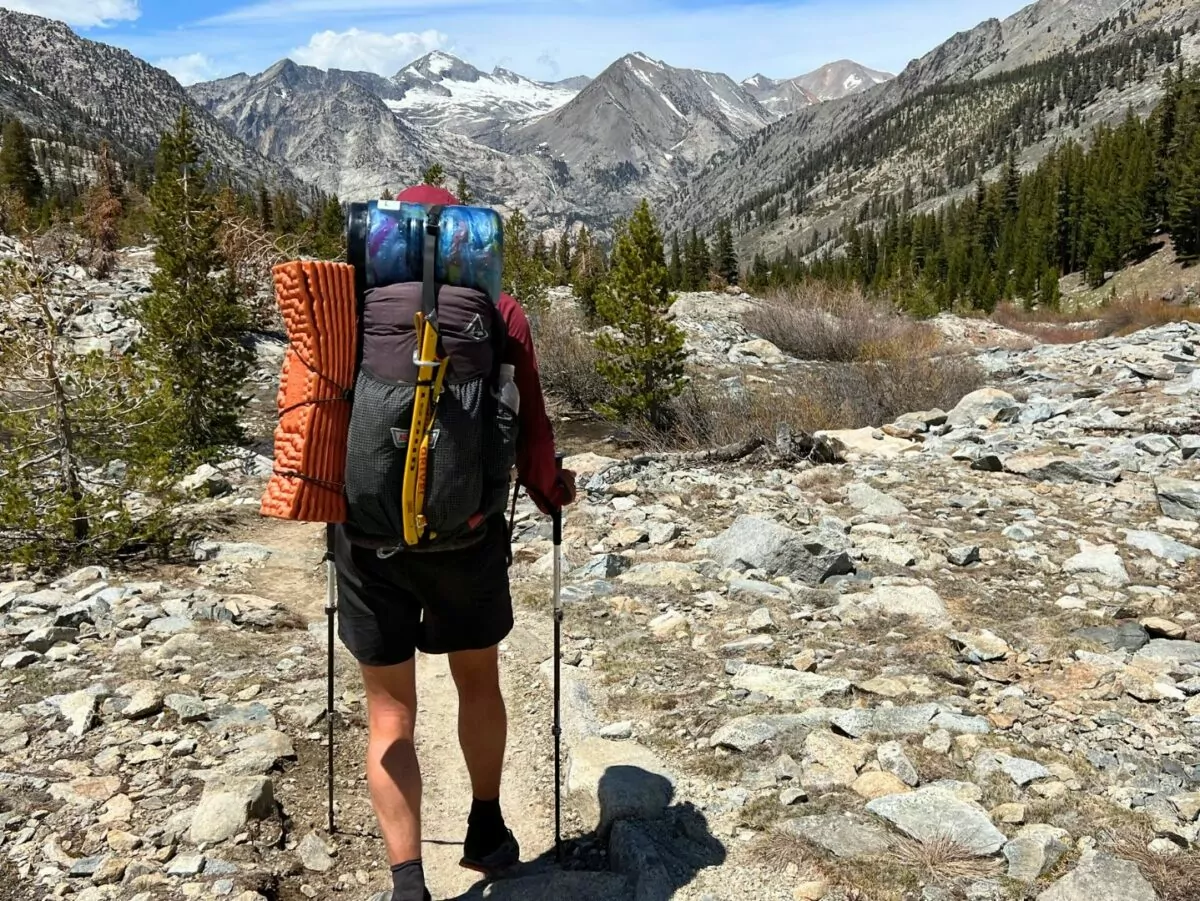
Only pack what you really need for the trip. Organize items by importance and weight. Put heavier items close to your back for better balance. Use compression bags to reduce volume. Share some gear with hiking partners to split the load.
Credit: wildlandtrekking.com
Impact Of Backpack Weight On Comfort
Backpack weight plays a big role in how comfortable you feel during a hike. A heavy pack can make walking hard and cause pain. Carrying too much weight stresses your body and reduces your energy. Choosing the right weight helps you enjoy your trip and stay healthy.
Common Discomfort Issues
Too much weight often causes shoulder pain. Straps dig into the skin and muscles get tired quickly. Back pain is another problem with heavy packs. The lower back bears most of the load, leading to soreness. Hip pain can also happen if the pack doesn’t fit well. Blisters and numbness might appear on your hands or feet from strain.
Preventing Injury And Fatigue
Keep your backpack light to avoid injuries. Use a pack that fits your body size properly. Adjust all straps to spread weight evenly. Take breaks often to rest your muscles. Strengthen your core and legs before hiking. Carry only what you need to reduce fatigue. Proper packing helps keep your balance and reduces strain.
Customizing Backpack Fit
Customizing your backpack fit is key to a comfortable hiking experience. A well-fitted pack reduces strain and helps carry weight effectively. Adjusting the backpack to your body shape can prevent pain and fatigue. Proper fit allows you to walk longer and enjoy your trip more.
Adjusting Straps And Harness
Start by loosening all straps before wearing your pack. Tighten the shoulder straps until the pack feels snug but not tight. Adjust the hip belt to sit on your hips, not your waist. The hip belt carries most of the weight. Use the load lifter straps to pull the pack closer to your back. This keeps the weight stable and balanced. Check the sternum strap and fasten it across your chest for extra support. Make small changes until the pack fits well and feels comfortable.
Load Distribution Tips
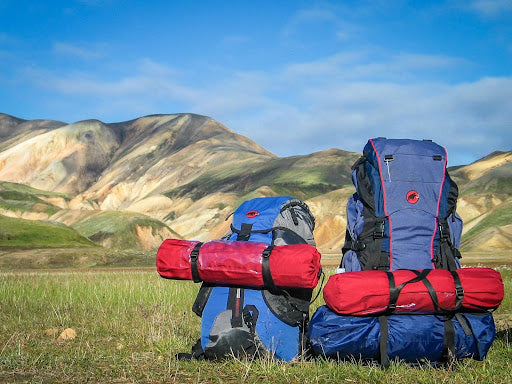
Place heavy items close to your back and near your hips. This helps keep your center of gravity stable. Lighter items should go toward the outside and top of the pack. Avoid putting all weight in one place. Balance helps prevent back pain and keeps you steady on rough trails. Use compression straps to tighten the load and stop it from shifting. A well-distributed load makes hiking easier and safer.
Credit: www.daggerfishgear.com
Seasonal And Environmental Considerations
Seasonal and environmental factors greatly affect how much your backpack should weigh. Different weather and terrain types demand different gear and supplies. Adjusting your pack weight helps keep you safe and comfortable on the trail.
Carrying the right weight for the season and environment makes your hike easier. It also helps you avoid injury and fatigue. Planning your pack weight carefully is a smart choice for every backpacker.
Adapting Weight For Weather
Cold weather means carrying extra clothing and shelter. You need layers to stay warm and dry. This adds weight but keeps you safe from the cold. Rainy conditions require waterproof gear and rain covers. These items add weight but protect your belongings. Hot weather allows for lighter clothing and less insulation. You can reduce your pack weight by skipping heavy layers. Always prepare for sudden weather changes by carrying some extra gear.
Terrain Influences
Mountain trails need sturdy boots and more supplies. Steep climbs use more energy, so pack lighter if possible. Rocky terrain means carrying repair tools and extra water. Flat or easy trails allow for a lighter pack. Soft or muddy trails may require waterproof footwear and gaiters. Planning your pack weight based on terrain helps you move better. It also lowers the risk of injury on tough paths.
Frequently Asked Questions
How Much Should A Backpacking Backpack Weigh?
A backpacking backpack should weigh 20-25% of your body weight. For example, if you weigh 150 pounds, your pack should be around 30-37 pounds for comfort and safety.
Why Is Pack Weight Important For Backpackers?
Pack weight affects your energy, balance, and overall hiking experience. A lighter pack reduces fatigue and risk of injury, making long hikes more enjoyable and manageable.
What Factors Influence Backpack Weight Recommendations?
Factors include trip length, weather, terrain, and personal fitness. Longer trips need more gear, while experienced hikers can carry lighter packs with efficient packing techniques.
How Can I Reduce The Weight Of My Backpack?
Choose lightweight gear, pack only essentials, and use multi-use items. Avoid overpacking food and clothing to keep your backpack light and comfortable during the hike.
Conclusion
Choosing the right backpack weight helps you enjoy your trip more. Carrying too much makes walking hard and tiring. Keeping your pack light saves energy and avoids pain. Think about the length and type of your trip. Pack only what you truly need.
Your body will thank you with less strain. A lighter pack makes the trail feel easier. Balance comfort and safety for the best experience. Remember, less weight means more fun outdoors.