Hiking in Bad Weather: How to Stay Safe and Enjoy the Trail
When dark clouds cover the sky or cold winds start blowing, many hikers decide to stay home. But hiking in bad weather can be a unique and rewarding experience. The world looks different when it rains, snows, or fog covers the hills.
Waterfalls are stronger, forests feel fresh, and you often have the trail to yourself. However, hiking in tough conditions is not easy. It requires good planning, the right gear, and smart decisions. If you want to stay safe and still enjoy your adventure, you need to know what to do before and during your hike.
Why Hike In Bad Weather?
Some people only hit the trail when the sun is shining. But there are real benefits to hiking in less-than-perfect conditions:
- Fewer crowds: Most hikers avoid rain or snow, so you can enjoy peaceful trails.
- Wildlife sightings: Animals are often more active in cool, rainy, or misty conditions.
- Beautiful scenery: Mist, snow, and rain change how the landscape looks. Waterfalls become more powerful, and forests seem magical.
- Builds resilience: Facing nature’s challenges helps you grow stronger and more confident outdoors.
Of course, these benefits come with risks. Let’s look at how you can enjoy hiking in bad weather while staying safe.
Essential Gear For Bad Weather Hiking
Bringing the right gear is the most important step. Good gear helps you stay dry, warm, and comfortable.
| Item | Why It Matters | Beginner Mistake |
|---|---|---|
| Waterproof Jacket | Keeps you dry in rain and wind | Choosing a water-resistant, not waterproof, jacket |
| Layered Clothing | Lets you adjust for changing temperatures | Wearing only one thick layer |
| Waterproof Boots | Protects your feet from getting soaked | Using regular sneakers or non-waterproof shoes |
| Wool or Synthetic Socks | Stay warm even when wet | Wearing cotton socks |
| Backpack Rain Cover | Keeps your gear dry | Forgetting to protect your backpack |
| Headlamp | Essential if dark clouds or fog reduce visibility | Not carrying extra batteries |
Don’t forget waterproof gloves, a hat, and a map in a plastic bag. A small emergency blanket can save you if you get too cold or wet.
Planning Your Hike In Bad Weather
Before you leave home, careful planning is key. Weather can change fast, and conditions may be more dangerous than usual.
- Check the forecast. Look at hourly weather updates for your area. Pay attention to warnings about storms, lightning, or floods.
- Pick the right trail. Choose shorter, well-marked trails with easy exits. Avoid steep, rocky, or exposed paths.
- Tell someone your plan. Always let a friend or family member know your route and when you expect to return.
- Start early. Bad weather can slow you down. Begin your hike early to finish before it gets dark.
- Pack extra food and water. You may need more calories in cold or wet conditions.
A common mistake is underestimating how much slower hiking in mud, snow, or rain can be. Even experienced hikers can get caught by darkness.
Staying Safe On The Trail
Once you’re out there, you need to adjust your hiking style for the weather.
- Watch your step. Wet rocks, roots, and mud are slippery. Take shorter, careful steps.
- Avoid rivers during heavy rain. Streams can rise quickly and be dangerous to cross.
- Look for landmarks. Fog and snow make it easy to lose the trail. Regularly check your map or GPS.
- Stay warm. If you start to shiver or feel numb, add layers, eat something, and keep moving.
- Don’t ignore warning signs. If the weather gets worse, turn back. Your safety is more important than reaching the summit.
Here’s a quick comparison of risks in different bad weather situations:
| Weather | Main Risk | Action |
|---|---|---|
| Heavy Rain | Flooding, slippery paths | Stick to high ground, avoid rivers |
| Thunderstorm | Lightning | Seek shelter, avoid tall trees |
| Snow | Hypothermia, getting lost | Dress in layers, mark your route |
| Strong Winds | Falling branches, balance issues | Avoid forests, walk carefully |
| Fog | Navigation errors | Use GPS, follow trail markers |
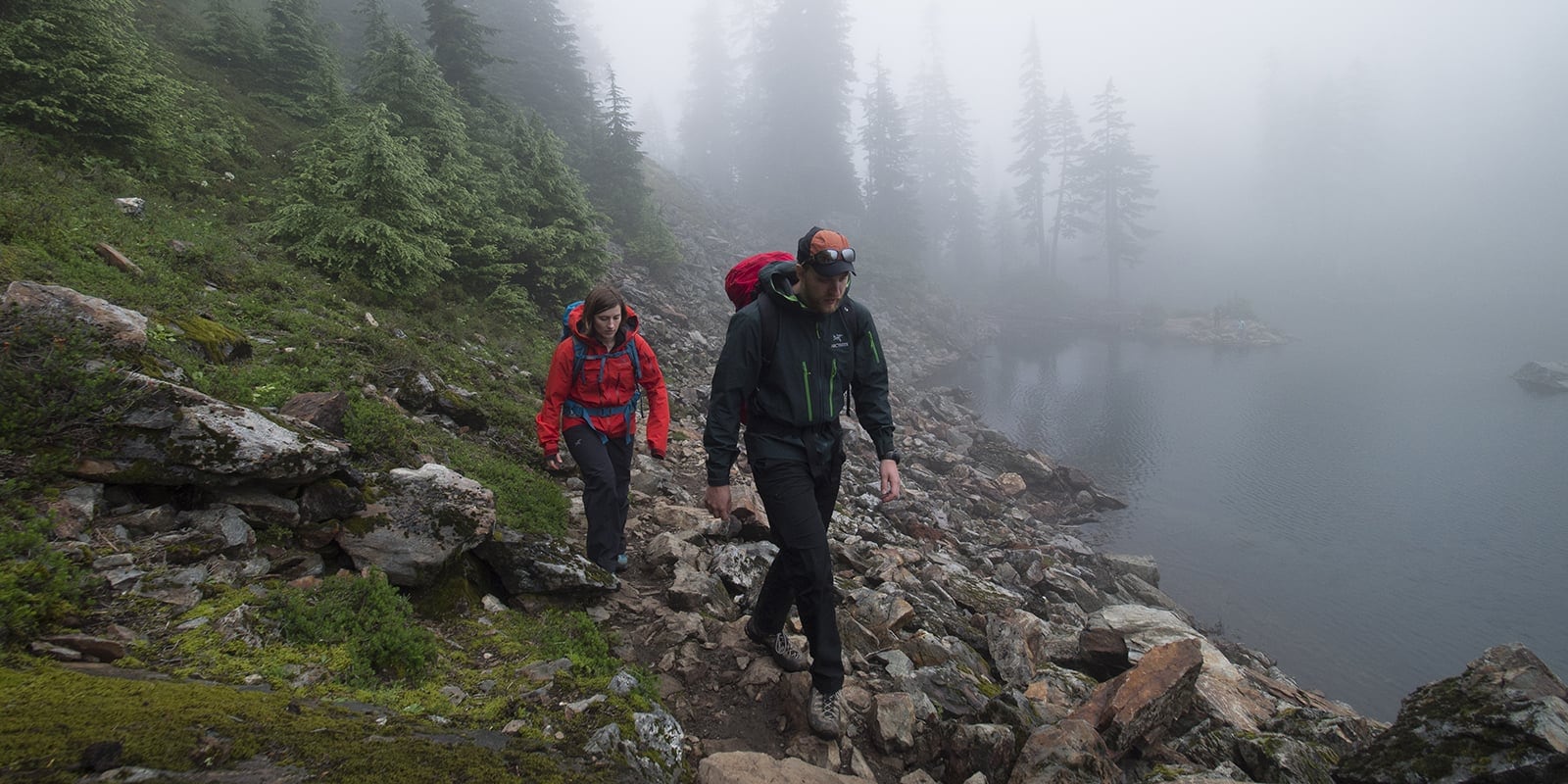
Credit: www.rei.com
Non-obvious Tips For Bad Weather Hiking
Most guides cover the basics, but here are some things many beginners miss:
- Check your phone’s battery. Cold and wet weather drains batteries fast. Keep your phone warm and bring a power bank.
- Don’t overdress. If you sweat too much inside your rain gear, you’ll get cold. Use breathable layers and open vents when possible.
- Keep snacks handy. You may not want to stop in the rain, so keep high-energy snacks in easy-to-reach pockets.
- Use trekking poles. They help with balance on slippery ground and reduce strain on your knees.
- Bring a whistle. If you get lost in fog or snow, a loud whistle helps rescuers find you.
When To Turn Back
Knowing when to quit is a sign of a smart hiker. If you see these warning signs, it’s time to head home:
- Water rising fast or rivers becoming dangerous
- Thunder and lightning nearby
- Heavy snow falling and covering your tracks
- You feel cold and can’t warm up
- You or your group feel lost or confused
Even skilled hikers sometimes need to turn back. The mountains will always be there for another day.
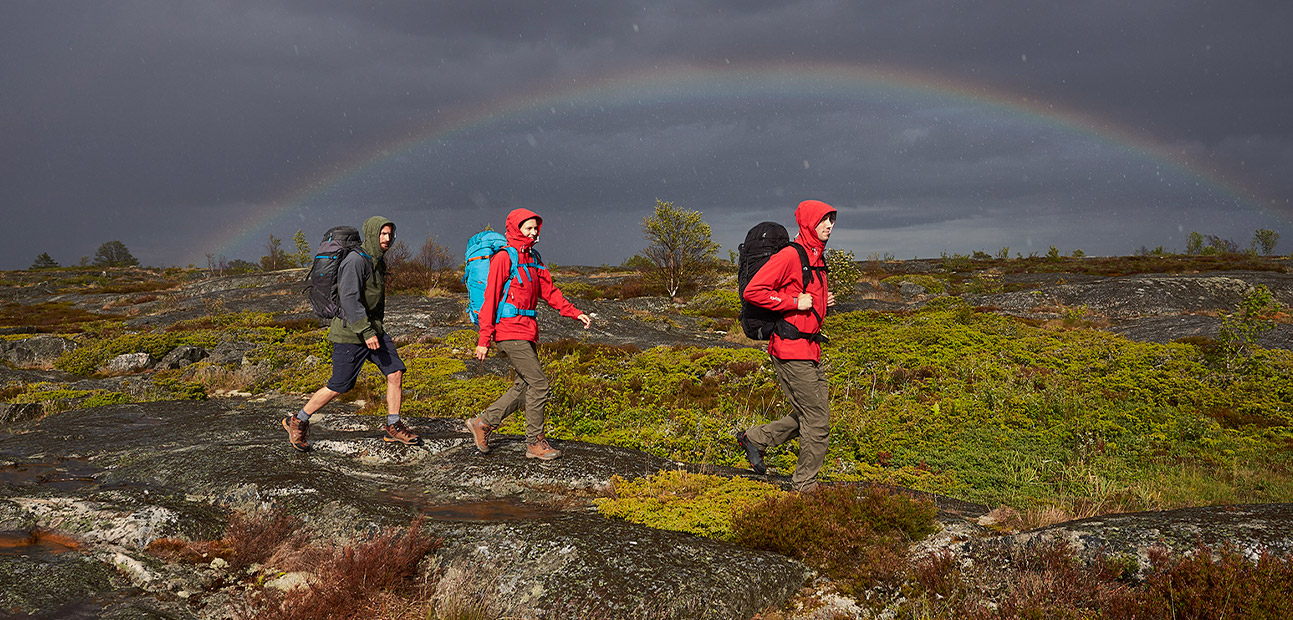
Credit: blog.tatonka.com
After The Hike
Take time to care for your gear and yourself after hiking in bad weather.
- Dry your clothes and boots as soon as possible to avoid mold and smell.
- Check for ticks if you hiked in warm, wet weather.
- Warm up with food and a hot drink. Your body needs to recover energy.
- Review what worked and what didn’t. Learn from your experience for next time.
Frequently Asked Questions
How Do I Keep My Backpack Dry In Heavy Rain?
Use a backpack rain cover and pack your items in plastic bags inside your pack. This double protection keeps your gear safe even in very wet weather.
What Is The Best Type Of Jacket For Hiking In Rain?
Look for a waterproof, breathable jacket with sealed seams. Avoid cheap ponchos or water-resistant jackets, as they won’t keep you dry for long.
Can I Hike In Thunderstorms?
No, it’s dangerous. Lightning is a real risk. If you hear thunder, seek shelter away from tall trees and metal objects immediately.
How Do I Prevent Blisters When Hiking In Wet Conditions?
Wear wool or synthetic socks and waterproof boots. Change into dry socks if possible during your hike to keep your feet comfortable.
Where Can I Find More Detailed Weather Forecasts For Hiking?
Trusted sites like Mountain-Forecast provide up-to-date weather details for specific hiking areas.
Hiking in bad weather is challenging but deeply rewarding when you’re prepared. With the right mindset and equipment, you’ll discover a new side of nature and yourself. Always put safety first, trust your instincts, and remember: the best adventure is the one you return safely from.

Credit: dmbins.com