Hiking with children is a chance to enjoy nature together, build memories, and teach important outdoor skills. But, it also comes with special challenges. Kids have different needs than adults on the trail. They get tired faster, need more breaks, and can lose interest quickly if the hike is not fun or comfortable.
With the right preparation and mindset, hiking with kids can be safe, enjoyable, and something your whole family looks forward to.
Choosing The Right Trail
Picking the right hiking trail is the first step to a great experience. Not every trail is suitable for families, especially with young children. Look for short, easy routes with gentle slopes and interesting features like streams, bridges, or wildlife.
| Trail Feature | Why It Matters for Kids |
|---|---|
| Short Distance (1–3 miles) | Kids tire quickly and need achievable goals |
| Loop Trails | No need to backtrack; new scenery keeps kids engaged |
| Natural Points of Interest | Waterfalls, rocks, or animal tracks add excitement |
| Rest Areas | Spots to sit, snack, and recover energy |
Check online reviews or park websites for family-friendly trails. Many national parks and local nature reserves list trails by age suitability. If you’re hiking with toddlers, look for stroller-accessible paths.
Packing Essentials For Kids
Children need more gear than adults, but you don’t have to overpack. Focus on comfort, safety, and fun. Here’s a practical packing list for hiking with kids:
- Water: Kids dehydrate faster. Carry enough water for everyone and teach kids to sip regularly.
- Snacks: Bring a variety of healthy snacks. Favorites like granola bars, fruit, and cheese sticks help keep energy up and spirits high.
- Proper Footwear: Closed-toe shoes with good grip are a must. No sandals or slippery soles.
- Sun Protection: Sunscreen, hats, and sunglasses protect sensitive skin and eyes.
- Weather-Appropriate Clothing: Dress in layers. Children cool down and heat up faster than adults.
- First-Aid Kit: Include band-aids, wipes, and any medication your child may need.
- Bug Spray: Mosquitoes and ticks are common in many hiking areas.
- Map and Compass: Even if you use a smartphone, teach older kids to read basic maps.
- Small Backpack: Let older children carry their own lightweight pack with snacks or a toy.
- Fun Extras: Binoculars, a magnifying glass, or a notebook for drawing and collecting leaves add an educational touch.
A helpful tip: pack a change of clothes and leave it in your car for the ride home, just in case of mud or spills.
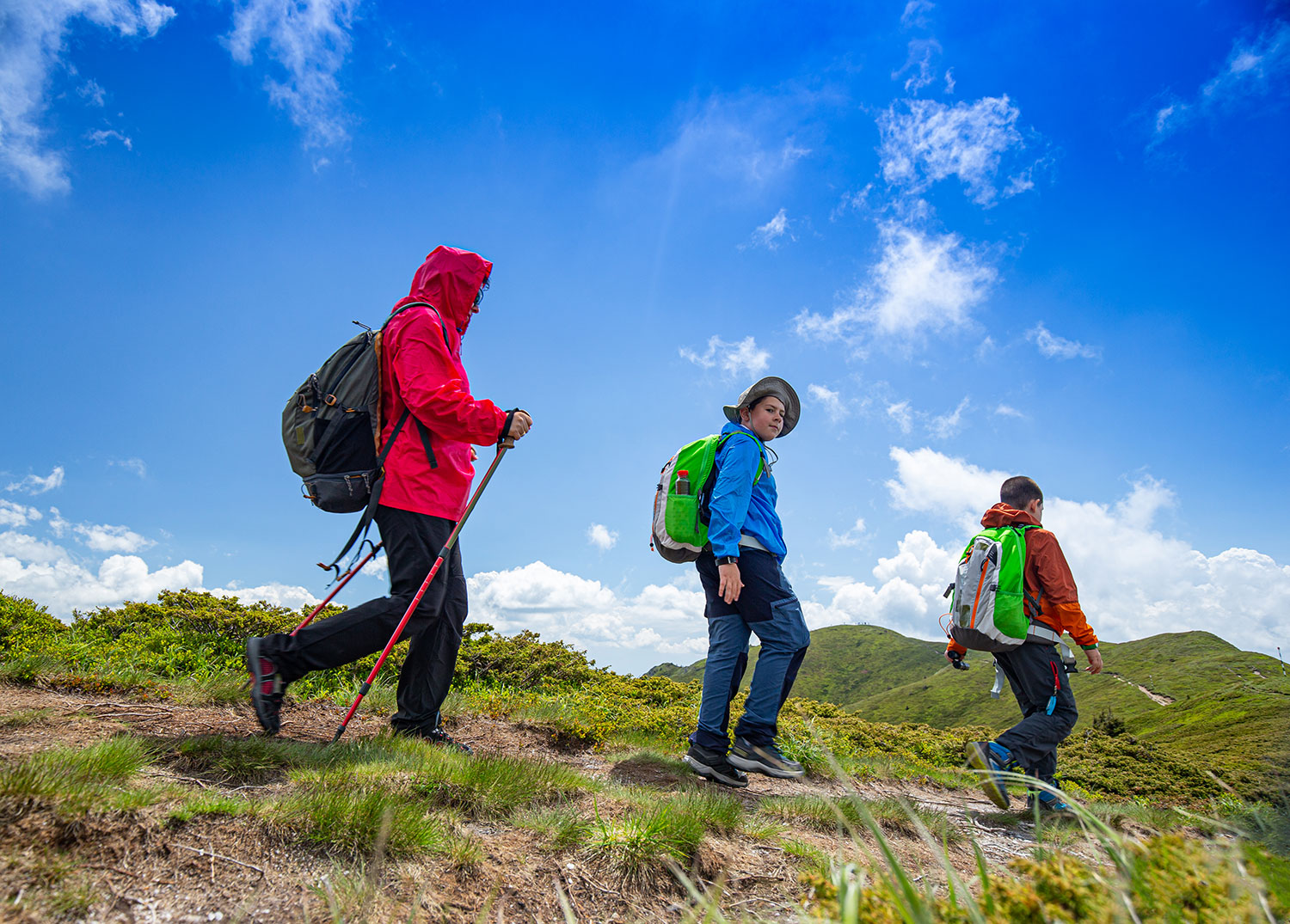
Credit: partnersinpediatrics.com
Making The Hike Fun And Engaging
Keeping kids interested is the secret to a happy hike. Children love exploring, but they can get bored if the walk feels too long or repetitive. Try these strategies:
- Create a scavenger hunt: Make a list of things to find—like pinecones, a feather, or a butterfly.
- Play games: “I Spy,” counting games, or storytelling can keep young minds occupied.
- Let them lead: When it’s safe, allow children to walk in front and “guide” the group. It gives them a sense of responsibility and adventure.
- Take breaks: Stop often for snacks, water, and time to explore interesting spots.
- Celebrate small achievements: When you reach a bridge or a viewpoint, pause and recognize the effort.
Many families find that giving each child a simple job—like carrying the snacks or checking the trail map—keeps them involved.
Safety Tips For Hiking With Kids
Safety is always the top priority. While most family hikes go smoothly, being prepared is essential.
- Always stay together: Remind kids not to run ahead or leave the trail.
- Teach basic trail rules: Explain why it’s important not to touch unknown plants or approach wildlife.
- Know the weather forecast: Sudden changes in weather can be dangerous, especially for children.
- Set a turnaround time: Decide before you start when you’ll head back, no matter how far you’ve gone.
- Explain what to do if lost: Teach the “hug a tree” method—if a child is lost, they should stay in one place and wait for help.
- Carry emergency contact info: Write your number on a bracelet or card in your child’s pocket.
Here’s a quick comparison of common hiking risks and how to reduce them:
| Risk | How to Reduce |
|---|---|
| Getting Lost | Stay together, teach kids to recognize landmarks, carry a whistle |
| Dehydration | Drink water every 20–30 minutes |
| Insect Bites | Apply bug spray, wear long sleeves and pants |
| Sunburn | Use sunscreen, wear hats and sunglasses |
Children may not always notice if they’re too hot, too cold, or thirsty. Watch for signs like complaining, slowing down, or quietness—these can mean something is wrong.
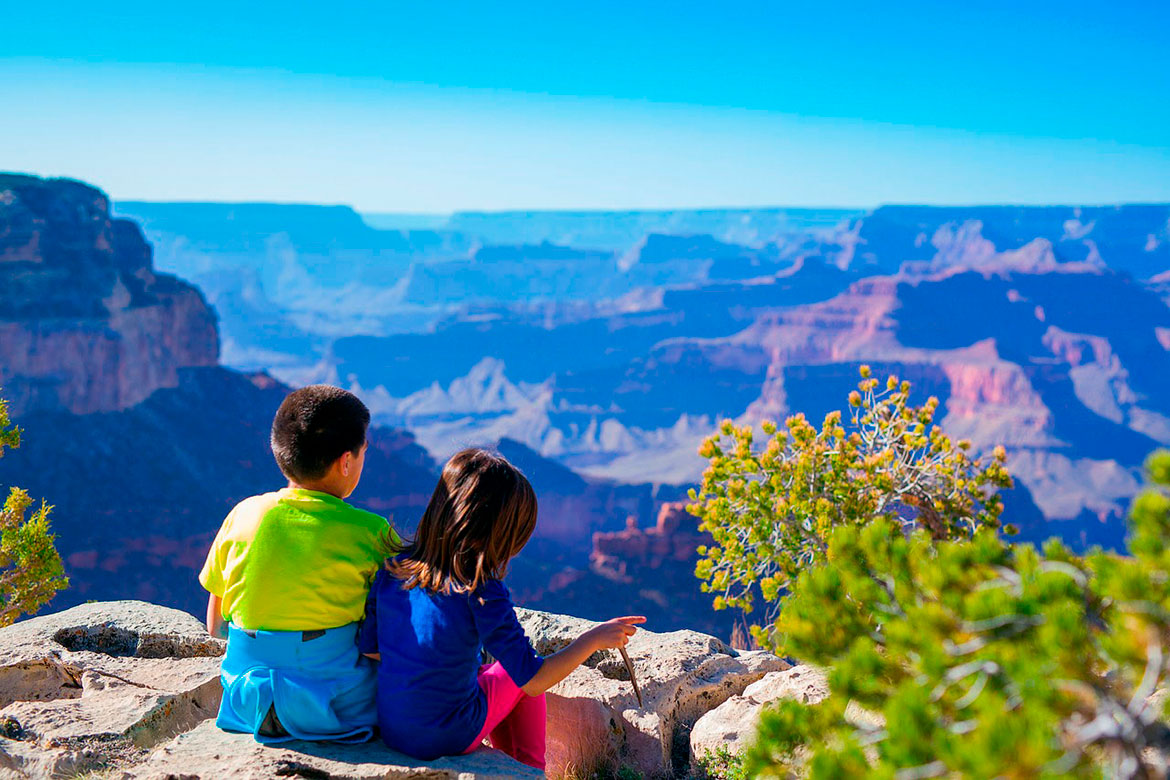
Credit: www.aaastateofplay.com
Encouraging A Love For Nature
For many parents, the goal is not just to finish the hike, but to help kids appreciate the outdoors. Simple activities can help children connect with nature:
- Collect leaves or rocks (where allowed) to examine at home.
- Take photos together and make a hiking scrapbook.
- Ask questions about what they see, hear, or smell.
- Show how to spot animal tracks or bird nests.
Kids who grow up hiking often become adults who care about the environment. A single positive hike can spark lifelong curiosity.
Handling Challenges On The Trail
Hiking with kids is not always smooth. You might face whining, tantrums, or unexpected weather. Here’s how to handle common challenges:
- Tiredness: Take more breaks than you think you’ll need. Offer snacks and encouragement.
- Boredom: Change the pace. Let kids race to a nearby tree or invent a new game.
- Bad weather: If rain or cold hits, decide if it’s safer to turn back. Always have a backup plan.
- Injuries: Clean cuts with water, apply a bandage, and head back if necessary.
Don’t be afraid to cut a hike short. Ending on a positive note is better than pushing too hard and making the experience unpleasant.

Credit: www.amazon.com
Frequently Asked Questions
What Is The Best Age To Start Hiking With Kids?
Children as young as toddlers can enjoy short, easy hikes. Babies can be carried in a backpack carrier. Start with flat, smooth trails and build up as your child grows.
How Far Can A Child Hike In One Day?
A general rule: children can hike about one mile per year of age (for example, a 5-year-old can do 5 miles), but this varies. Watch for signs of fatigue and don’t push too hard.
What If My Child Is Scared Of Bugs Or Animals?
Prepare your child by talking about what you might see. Bring bug spray and explain which animals are safe to watch from a distance. Never force a child to touch or approach wildlife.
How Do I Keep My Child Motivated During A Hike?
Bring snacks, play games, and allow plenty of time for breaks. Letting your child help with navigation or carry a special item can make them feel involved.
Are There Resources For Finding Family-friendly Trails?
Yes, many national parks and hiking websites offer lists of suitable trails. For example, the National Park Service provides resources and trail guides for families.
Hiking with kids takes patience and planning, but the rewards are huge. With the right approach, you can turn every hike into an adventure your children will remember and want to repeat. Enjoy the journey—one step at a time.