Hiking with a tent is more than just walking in the woods. It’s about carrying your shelter, planning your route, and making sure you can sleep safely and comfortably outside. For many, it’s the first step toward backpacking adventures that last for days.
But even a one-night hike can feel challenging if you don’t prepare well. If you’re ready to take your hiking skills to the next level, this guide will help you understand everything you need to know to hike with a tent—safely, comfortably, and with confidence.
Choosing The Right Tent For Hiking
Not all tents are made for hiking. Some are heavy, some are too small, and others are not designed to handle wild weather. When picking a tent for hiking, focus on three things: weight, size, and weather protection.
- Weight: Look for tents that are called “backpacking tents.” These usually weigh between 1.5 and 2.5 kg for one or two people. Every extra kilo will feel heavier after a few hours on the trail.
- Size: Make sure your tent is big enough for you and your gear, but not much bigger. A two-person tent is usually enough for one hiker who wants extra space.
- Weather Protection: Check if the tent has a rainfly and a waterproof floor. A tent with good ventilation prevents condensation inside.
Here’s a quick comparison of popular tent types for hiking:
| Type | Weight | Best For | Downsides |
|---|---|---|---|
| Ultralight | 1-1.5 kg | Solo hikers, long distances | More expensive, less durable |
| Freestanding | 2-3 kg | Most conditions | Heavier, bulkier |
| 3-Season | 1.5-2.5 kg | Spring to autumn | Not for heavy snow |
A common beginner mistake is picking a tent just by price. Cheap tents may not survive strong wind or rain. Invest in quality—your comfort and safety depend on it.
Packing Your Tent And Gear
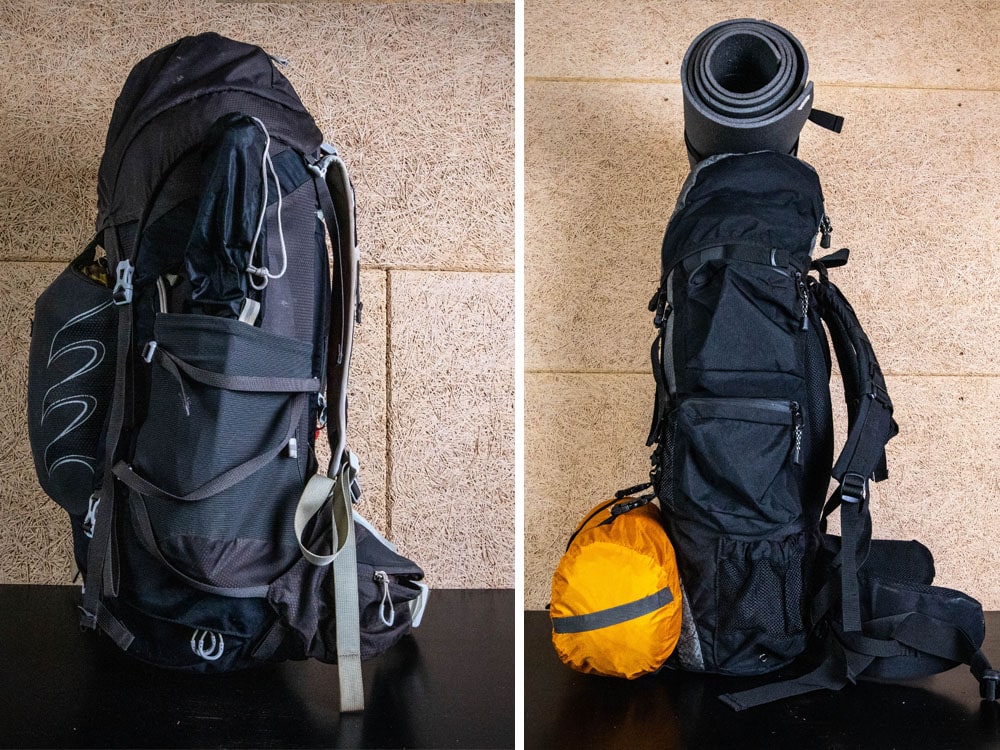
Packing your tent is not just about saving space, it’s about balance and protection. Here’s how to do it right:
- Separate Components: Many hikers split the tent into poles, rainfly, and body. This makes packing easier and lets you share weight with a hiking partner.
- Waterproofing: Always pack your tent in a waterproof bag. Wet tents are heavy and uncomfortable to sleep in.
- Backpack Placement: Put the tent near the middle or bottom of your backpack. This keeps your load stable and reduces strain on your shoulders.
You also need to carry other essentials. Here’s a quick look at how your hiking load might break down:
| Item | Average Weight |
|---|---|
| Tent | 2 kg |
| Sleeping Bag | 1 kg |
| Sleeping Pad | 0.5 kg |
| Food & Water | 2-3 kg |
| Clothing & Other Gear | 1-2 kg |
Try to keep your total pack weight under 20% of your body weight. Overloading is a common mistake that makes hiking less fun and more dangerous.

Credit: durstongear.com
Planning Your Route And Campsite
Good planning is the foundation of a safe and enjoyable tent hike. Start by picking a trail with campsites or legal places to sleep. Many parks and forests have rules about where you can camp.
Check these things before you go:
- Distance: How far can you hike in a day? Beginners usually start with 8–12 km per day.
- Elevation: More hills mean slower progress and more energy used.
- Water Sources: Know where you can refill your water.
- Weather: Check the forecast and be ready for changes.
When you reach your camping spot, look for:
- Flat, dry ground away from flood risk
- A place with natural wind protection like trees or rocks
- At least 60 meters from lakes or streams to protect nature
Here’s how trail types compare for tent hiking:
| Trail Type | Camping Allowed | Facilities |
|---|---|---|
| National Parks | Designated sites only | Some toilets, water |
| Wilderness Areas | Anywhere (follow Leave No Trace) | None |
| Private Land | With permission | Varies |
Don’t forget to tell someone your plan and expected return time.
Setting Up Your Tent Properly
Pitching your tent well can make the difference between a cozy night and a miserable one. Follow these steps:
- Clear the Area: Remove rocks, sticks, and debris to protect your tent floor.
- Lay a Groundsheet: This keeps moisture out and extends your tent’s life.
- Face the Door Downwind: This keeps rain out and makes entry easier.
- Tighten Guy Lines: Secure your tent against wind, even on calm days.
A non-obvious tip: Always check for dead branches or rocks above your site. Falling branches can be dangerous, especially in wind or rain.
Credit: hikemuch.com
Staying Comfortable And Safe Overnight
Sleeping outdoors is not always easy, especially for beginners. Here’s how to stay comfortable:
- Use a sleeping pad for insulation and comfort.
- Wear dry clothes to bed; damp clothes will make you cold.
- Store food outside your tent, away from animals.
For safety, keep a headlamp, water, and your phone or emergency device close to your sleeping bag. Know how to leave your tent quickly if you need to.
A common mistake is ignoring the weather. Even in summer, nights can be cold. Bring an extra layer just in case.
Leave No Trace And Responsible Camping
Protecting nature is part of every hiker’s job. Always follow Leave No Trace principles:
- Pack out all trash, even small items like wrappers or tissue.
- Don’t dig trenches or damage plants.
- Use a trowel to bury waste at least 15 cm deep and 60 meters from water.
Respect other hikers by keeping noise down and camping away from busy trails.
If you want to learn more about responsible hiking and camping, check the guidelines at the Leave No Trace Center.
Credit: www.hikeoregon.net
Frequently Asked Questions
How Heavy Should My Tent Be For Hiking?
Most hikers choose tents between 1.5 and 2.5 kg. Ultralight tents can be lighter but may cost more. Pick a tent that balances weight, comfort, and weather protection.
Can I Set Up A Tent Anywhere On A Hike?
No, you should only set up your tent in legal or designated campsites. Some trails allow “wild camping,” but always check local rules and respect nature.
What If It Rains While I’m Hiking With A Tent?
Make sure your tent has a waterproof rainfly and floor. Practice setting up your tent at home so you can do it quickly if rain starts. Always pack your tent in a dry bag.
How Do I Keep Animals Away From My Tent?
Store all food and scented items at least 60 meters from your tent, in a bear canister or hung from a tree if needed. Never keep food inside your tent.
What’s The Best Way To Sleep Comfortably While Hiking?
Use a good sleeping pad, choose a flat spot, and wear dry, warm layers. Earplugs help if you’re sensitive to outdoor sounds.
Hiking with a tent is a rewarding experience, connecting you with nature and building self-reliance. With smart planning, the right gear, and respect for the wild, your tent hiking adventure will be safe, comfortable, and unforgettable.