Hiking is more than just a way to get some fresh air and exercise. For many people, it’s a powerful tool for improving mental health and emotional well-being. Imagine walking through a quiet forest, listening to birds, and feeling the earth beneath your feet. This simple activity can bring surprising changes to your mind, reducing stress and lifting your mood. In today’s busy world, understanding the mental benefits of hiking is more important than ever.
How Hiking Reduces Stress
When you hike, your mind naturally shifts away from daily worries. The rhythm of walking, the sights of trees and hills, and the sound of wind all help you relax. Studies show that spending even 20 minutes in nature can lower cortisol levels, the hormone linked to stress. Unlike walking in a city, hiking in a natural setting gives your brain a break from constant noise and screens.
You might notice your thoughts slowing down as you hike. This gentle focus on the trail helps clear mental clutter. Many people say that after a hike, problems feel smaller, and their minds feel lighter. Nature acts like a reset button for your brain.
Boosting Your Mood And Happiness
Hiking is proven to increase serotonin and endorphin levels in your brain. These chemicals are natural mood boosters. After a hike, people often report feeling happier and more positive. The combination of physical movement and being outside creates a double effect: you feel both physically and mentally refreshed.
Some research shows that people who spend regular time hiking are less likely to feel depressed or anxious. For example, a 2015 Stanford University study found that people who walked in nature showed less activity in parts of the brain linked to negative thoughts.
This means hiking doesn’t just make you feel better for a moment—it can change how your brain handles emotions over time.
Increasing Focus And Creativity
Modern life is full of distractions. It’s hard to concentrate when your phone keeps buzzing. Hiking helps break this cycle. When you walk through nature, your senses wake up. You notice the color of leaves, the sound of a stream, or the shape of clouds.
This natural attention helps your mind rest and recover.
Hiking also boosts creative thinking. One study found that people scored 50% higher on creativity tests after spending four days hiking and unplugged from technology. The simple act of moving your body in a natural setting can help you solve problems and come up with new ideas.
Building Resilience And Confidence
Hiking isn’t always easy. Sometimes the path is steep or rocky. You might have to cross a stream or climb over a log. Each challenge you overcome makes you stronger—not just physically, but mentally too. When you reach the top of a hill or finish a tough trail, you feel proud and confident.
This sense of achievement is important. It teaches you that you can handle tough situations, both on and off the trail. Facing small challenges in nature helps build resilience. The more you hike, the more you believe in your own abilities.
Connecting With Others And Nature
Hiking can be a social activity or a solo adventure. When you hike with friends or family, you share time away from screens and daily routines. These shared experiences build stronger relationships. You talk, laugh, and sometimes solve problems together on the trail.
Even hiking alone, you can feel more connected. Nature has a calming effect that helps people feel less lonely. Some hikers describe a deep sense of belonging or peace when surrounded by trees or mountains. This connection to nature is called biophilia—a natural love for the world around us.
Comparing Hiking With Other Activities
To see how hiking affects mental health, let’s compare it with other common activities:
| Activity | Stress Reduction | Boosts Mood | Improves Focus |
|---|---|---|---|
| Hiking in Nature | High | High | High |
| Walking in City | Medium | Medium | Low |
| Gym Workout | Low | Medium | Low |
| Watching TV | Low | Low | Low |
As you can see, hiking in nature offers higher mental benefits than many other activities.
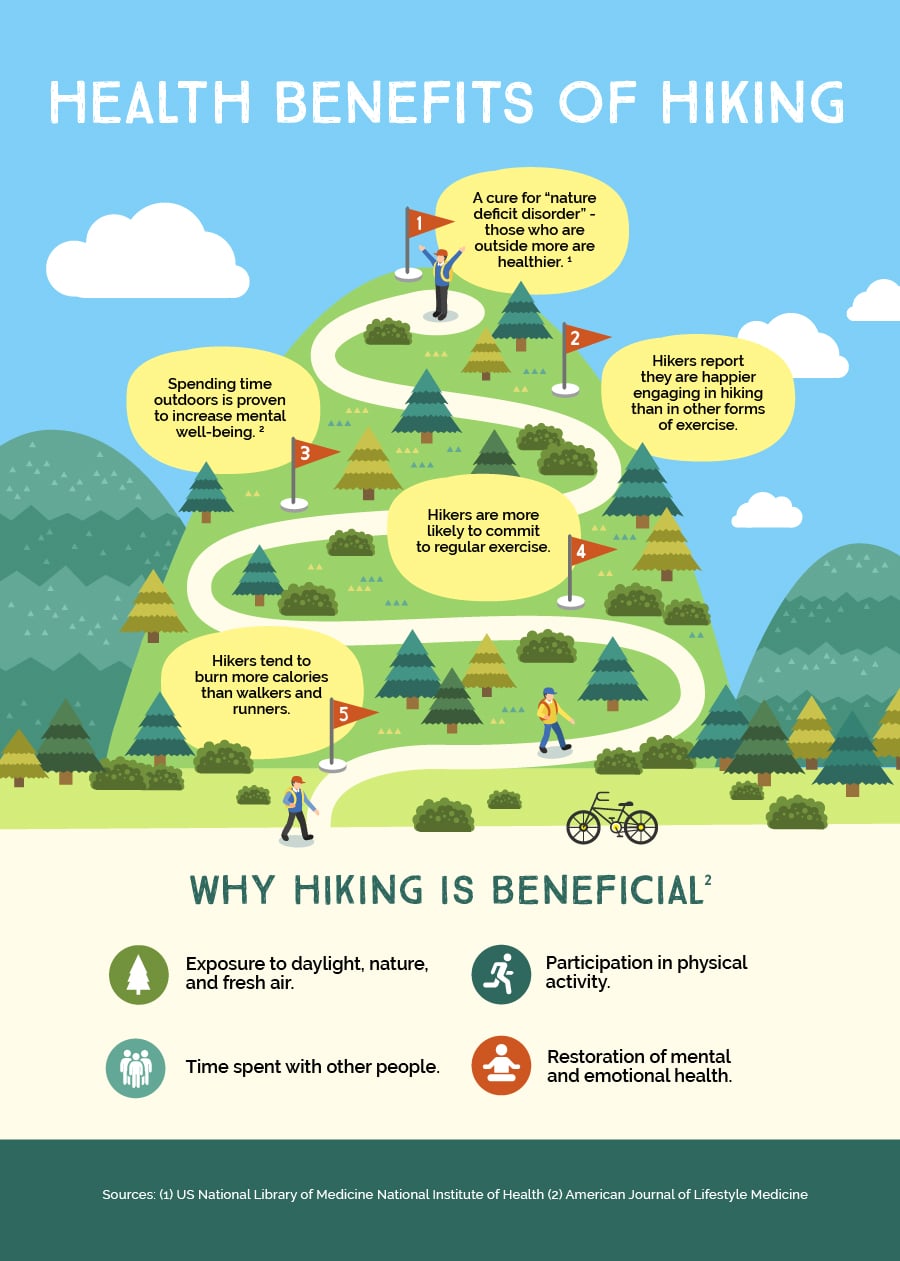
Credit: www.lichtsinn.com
Real-life Examples And Insights
Many beginners think hiking is only about physical health. However, regular hikers often notice mental changes first. For example, someone who feels anxious at work may find that just one weekend hike helps them sleep better and worry less.
A non-obvious benefit is that hiking teaches mindfulness. When you focus on your steps or the sound of leaves, you practice being present. This skill can help in daily life, making it easier to manage stress or strong emotions.
Another insight is that not all hikes need to be long or difficult. Even a short walk in a small park can help your mind. The key is to pay attention to your surroundings and let yourself unwind.
Simple Tips For Getting Started
If you are new to hiking, here are some tips to make the most of your experience:
- Start small: Choose easy trails and build up your confidence.
- Go with a friend: It’s safer and can make the hike more enjoyable.
- Leave your phone on silent: Try to disconnect from technology.
- Notice your senses: Listen to birds, feel the breeze, and look at the sky.
- Don’t rush: The goal is to relax, not to finish quickly.
People often think they need special equipment, but simple shoes and a bottle of water are enough to begin. Always check the weather and let someone know your plans.

Credit: www.52hikechallenge.com
Common Misconceptions About Hiking And Mental Health
Many believe that only people with depression or anxiety benefit from hiking. In reality, everyone can gain mental strength from nature walks. Others think you must hike for hours to see results. In fact, as little as 30 minutes in nature can boost your mood and focus.
Some worry that hiking alone is unsafe. While safety is important, solo hikes on easy trails are safe if you plan ahead. Let someone know your route, and carry basic supplies.
Data: Hiking And Mental Health
Here’s a look at some recent findings:
| Study | Sample Size | Main Finding |
|---|---|---|
| Stanford University, 2015 | 60 adults | Nature walks reduced negative thought patterns |
| University of Michigan, 2014 | 2,000+ adults | Group nature walks lowered depression and stress |
| PLoS One, 2012 | 280 adults | Outdoor activity improved mood and well-being |
For more on these studies, see the Wikipedia page on hiking.
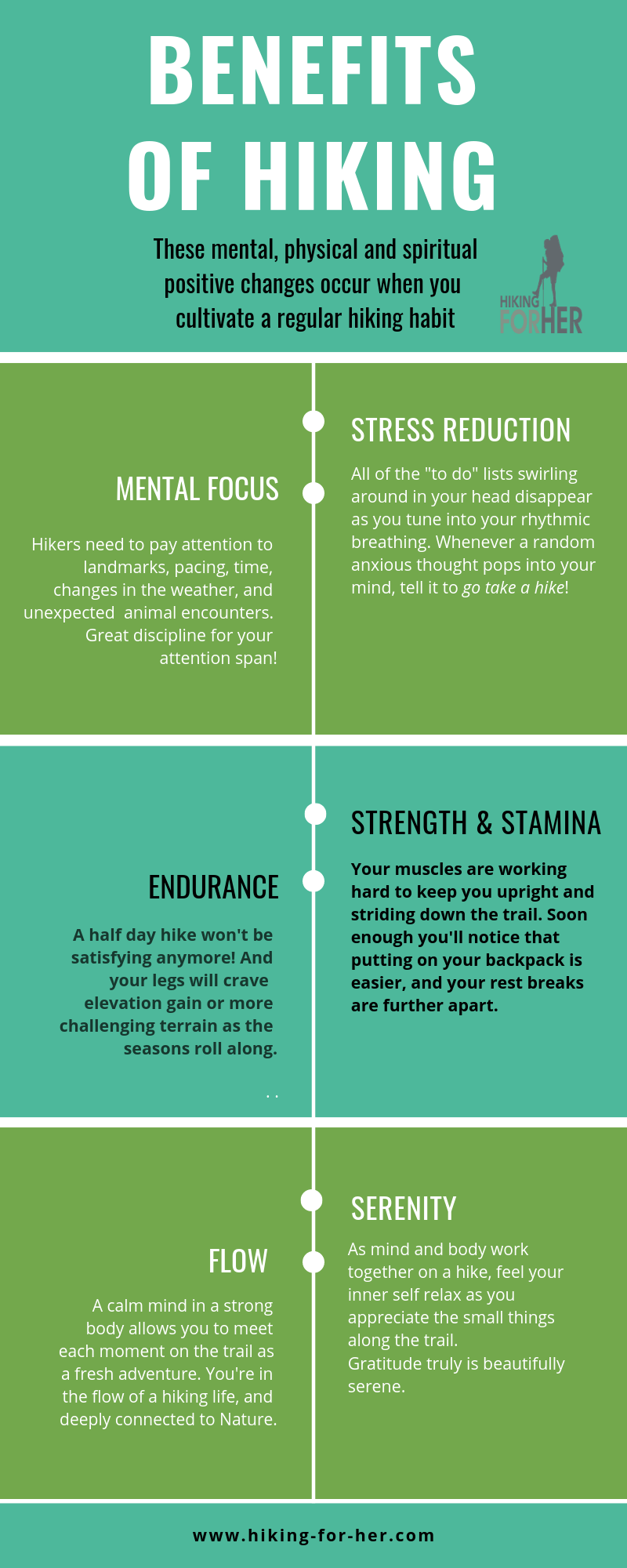
Credit: www.hiking-for-her.com
Frequently Asked Questions
How Long Should I Hike To See Mental Benefits?
Most people feel mental benefits after just 30 to 60 minutes in nature. Even short hikes can help reduce stress and improve mood.
Can Hiking Help With Anxiety Or Depression?
Yes, hiking has been shown to lower symptoms of both anxiety and depression. It’s not a replacement for professional help, but it can be a helpful part of self-care.
Is Hiking Alone Safe For Mental Health?
Solo hiking can be safe and calming if you choose easy trails and let someone know your plans. Always bring basic safety items.
Do I Need To Hike In Wild Places For Benefits?
No, you don’t need a mountain or forest. City parks or nature reserves offer similar mental benefits if you pay attention to your surroundings.
What Should I Bring For My First Hike?
Start with comfortable shoes, water, a snack, and a phone for safety (on silent). Dress for the weather and tell someone where you’re going.
Spending time hiking can offer powerful mental benefits for everyone, not just outdoor lovers. Whether you want to clear your mind, boost your mood, or connect with nature, hiking is a simple and rewarding way to care for your mental health.
Give it a try—your mind will thank you.