Hiking in the woods is more than just walking among trees. It’s about connecting with nature, challenging your body, and finding peace away from busy city life. Many people love the quiet sounds, fresh air, and green sights. But hiking safely and enjoying the forest takes more than just good shoes.
You need to prepare, know what to expect, and respect the environment.
If you’re new to hiking or want to improve your outdoor skills, this guide will help you step confidently into the woods. Here’s how to hike in the woods and have a safe, memorable adventure.
Preparing For Your Hike
Before you set foot on a trail, some smart planning can make your trip much better.
Choose The Right Trail
Pick a trail that matches your fitness level. Beginners should start with shorter, easier trails—usually under 3 miles with less than 500 feet of climbing. Read online reviews and check for recent trail updates. Some trails may be closed after storms or in certain seasons.
Check The Weather
Weather in the woods can change fast. Look at the forecast the night before and again the morning of your hike. If thunderstorms or high winds are likely, pick another day.
Tell Someone Your Plans
Always let a friend or family member know where you’re hiking and when you plan to return. This simple step can save lives if you get lost or injured.
What To Bring
Packing the right gear helps you stay safe and comfortable in the woods.
Essential Items
Every hiker should carry:
- Comfortable shoes with good grip
- Backpack for supplies
- Map and compass (don’t rely only on your phone)
- Water (at least 2 liters for a half-day hike)
- Snacks like nuts, fruit, or energy bars
- First-aid kit for small injuries
- Rain jacket or windbreaker
- Sunscreen and bug spray
- Headlamp or flashlight (even for daytime hikes)
Dressing For The Woods
Wear layers. Start with a moisture-wicking shirt, add a light sweater, and top with a weatherproof jacket. Avoid cotton—it stays wet and cold if it rains.
Useful Extras
Consider trekking poles for balance. Carry a whistle for emergencies. Pack a small trash bag to keep the forest clean.

Credit: www.purplelizard.com
Hiking In The Woods: Step-by-step
Now that you’re ready, here’s how to hike in the woods with confidence.
Start Slow
Begin your hike at a comfortable pace. Don’t rush. This helps your body warm up and lets you notice your surroundings.
Stay On The Trail
Always follow the marked path. Cutting corners or making your own way can damage plants and confuse others. It also increases your risk of getting lost.
Respect Wildlife
Keep a safe distance from animals. Never feed them, and avoid loud noises. If you see a wild animal, stop and give it space to move away.
Leave No Trace
Take all your trash home. Even small things like orange peels or tissue can harm the forest. If you see litter, pick it up.
Be Aware Of Your Surroundings
Notice landmarks like large rocks, streams, or unique trees. This helps you stay oriented and find your way back if you get turned around.
Hydrate And Snack Regularly
Drink water before you feel thirsty. Eat small snacks every hour to keep your energy up.
Watch Your Step
Roots, rocks, and wet leaves can cause slips. Use your eyes and trekking poles to spot tricky spots.
Common Mistakes Beginners Make
Even simple errors can lead to accidents or a bad experience. Here’s what to avoid:
- Wearing the wrong shoes—sandals or smooth sneakers can be dangerous.
- Bringing too little water.
- Not checking the weather or trail conditions.
- Relying only on a phone for navigation.
- Leaving the trail to “explore.”
- Forgetting sunscreen or bug spray.
- Ignoring signs of fatigue.
- Not telling anyone your plans.

Credit: rightasrain.uwmedicine.org
Comparing Trail Types
It’s helpful to understand the differences between common trail types. Here’s a quick look:
| Trail Type | Distance | Best For | Common Challenges |
|---|---|---|---|
| Loop | 1–10 miles | All skill levels | Changing terrain |
| Out-and-Back | 2–20 miles | Beginners & experts | Same scenery both ways |
| Point-to-Point | 5–50+ miles | Advanced hikers | Requires transport at both ends |
Safety In The Woods
Hiking is generally safe, but it pays to know what to do if something goes wrong.
What To Do If You Get Lost
- Stop walking.
- Try to remember your last known location.
- Use your map and compass to orient yourself.
- Blow your whistle in bursts of three (the universal signal for help).
- Stay put and wait for help if you can’t find your way.
Avoiding Common Hazards
Watch for poison ivy, ticks, and slippery rocks. Learn what dangerous plants look like before your hike.
Emergency Contacts
Carry a card with emergency numbers in your bag. Some areas have no cell service.
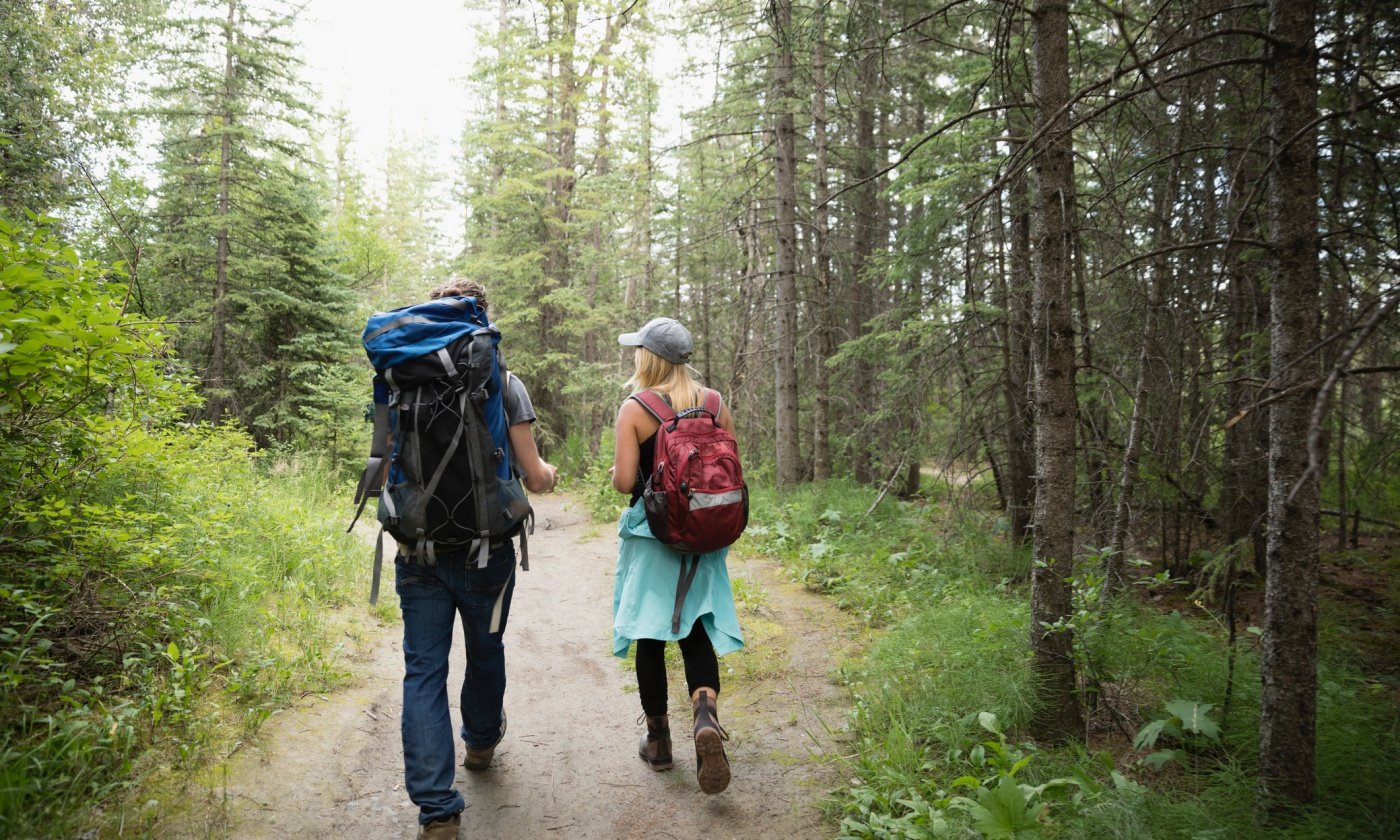
Credit: www.yesmagazine.org
Comparing Solo Vs. Group Hiking
Each has its pros and cons:
| Hiking Alone | Hiking with Others |
|---|---|
| Flexible pace Peaceful experience Greater risk if injured |
More social Shared supplies Safer in emergencies |
Nature And Mindfulness
Walking in the woods can lower your stress and improve your mood. Take a few moments to stop, breathe, and notice the sounds and smells around you. Many hikers find that time in the forest helps them think more clearly and feel happier.
A non-obvious tip: Look up sometimes. Many people focus on the path but miss birds, tree canopies, or even interesting clouds above.
Another insight: Learn the basics of animal tracks or bird calls before you go. You’ll notice more, and your hikes will feel richer.
For more on hiking safety and trail etiquette, the U.S. National Park Service offers detailed guides.
Frequently Asked Questions
How Do I Find Good Trails Near Me?
You can use apps like AllTrails or check your local park’s website. Libraries and outdoor shops often have free trail maps.
What Should I Do If I See A Wild Animal?
Stay calm, back away slowly, and don’t run. Most animals want to avoid humans.
How Much Water Should I Bring?
Bring at least half a liter (about 17 ounces) per hour of hiking. In hot weather, bring more.
Is It Safe To Hike Alone?
Yes, but take extra care. Tell someone your route, bring a whistle and map, and avoid risky trails.
What If I Get A Blister Or Small Injury?
Stop and treat it right away. Clean the area, cover with a bandage, and adjust your socks or shoes to prevent more rubbing.
Hiking in the woods can be life-changing. With a little planning and respect for nature, you can explore new places, boost your health, and make great memories—one step at a time.