Backpacking Food Ideas For Beginners
Planning your first backpacking trip is exciting, but choosing the right food can feel overwhelming. You want meals that are light, easy to prepare, and give you energy for the trail. But what foods actually work best when you’re carrying everything on your back?
This guide will show you smart backpacking food ideas for beginners, with tips to help you avoid common mistakes and enjoy your meals outdoors.
What Makes Good Backpacking Food?
The best backpacking foods are lightweight, nutritious, and easy to prepare. They should pack small in your bag and not spoil quickly. You also want foods that are high in calories and protein for energy. Many new hikers make the mistake of bringing heavy cans or fresh foods that spoil fast. Instead, focus on shelf-stable options.
Here’s a quick look at how different backpacking foods compare:
| Food Type | Weight | Prep Time | Calories per 100g | Packability |
|---|---|---|---|---|
| Dehydrated Meals | Very Light | 5-10 min | 400-500 | Excellent |
| Fresh Food | Heavy | Varies | 30-100 | Poor |
| Energy Bars | Light | None | 350-400 | Good |
| Instant Oats | Light | 3-5 min | 350 | Excellent |
Easy Breakfast Ideas
A good breakfast should be fast, warm, and filling. When you wake up in the wild, you want something that gives you lasting energy.
- Instant Oatmeal Packets: Just add hot water. You can add dried fruit, nuts, or powdered milk for extra taste and calories.
- Granola with Powdered Milk: Mix granola with powdered milk and cold water for a no-cook option.
- Breakfast Bars: Great for mornings when you don’t want to cook. Choose bars with nuts or seeds for more protein.
- Dehydrated Scrambled Eggs: These are lightweight and easy to make with hot water.
- Tortillas with Nut Butter: Spread nut butter on a tortilla for quick carbs and healthy fat.
A common mistake is bringing fresh eggs or bread, which can get crushed or spoil. Stick to shelf-stable foods.
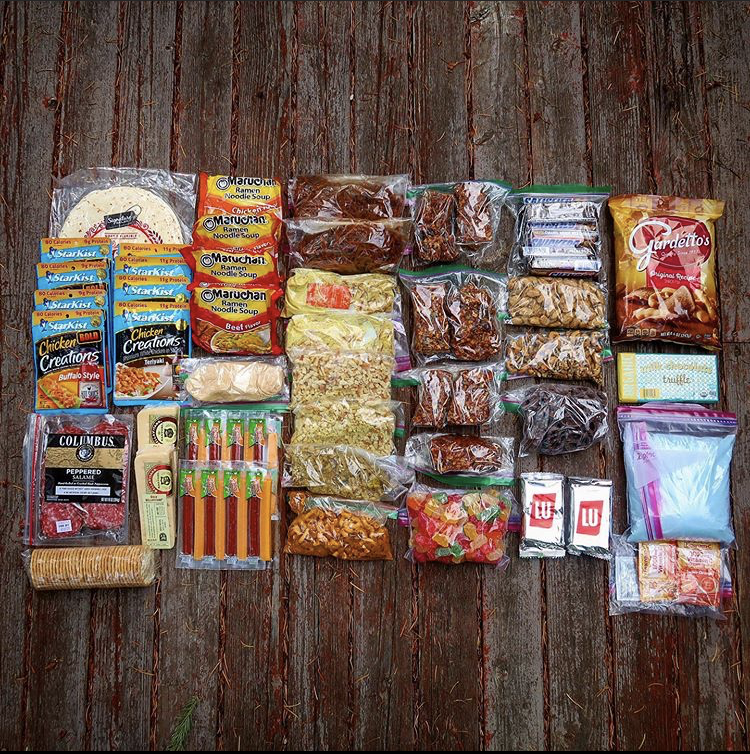
Credit: www.the-hungry-hiker.com
Simple Lunch Options
Lunch on the trail should be easy to eat, with no cooking required. You want to keep moving, so focus on foods you can grab and eat during a break.
- Hard Cheeses and Summer Sausage: These last longer than you might think, especially in cool weather.
- Wraps with Tuna or Chicken Packets: Mix with mayo packets and wrap in a tortilla.
- Trail Mix: Combine nuts, dried fruit, and chocolate for a calorie-dense snack.
- Hummus Powder with Crackers: Just add water to hummus powder.
- Peanut Butter and Honey Tortilla: Easy, sweet, and satisfying.
Many new backpackers forget about sodium. Sweating on the trail means you need more salt, so include salty snacks or spreads.
Easy Dinners For The Trail
After a long day, a warm dinner can be the highlight of your trip. Dinner should be quick to prepare, comforting, and filling.
- Instant Rice or Pasta: Add a flavor packet or pouch of chicken/tuna for a complete meal.
- Dehydrated Backpacking Meals: Just add boiling water. These are more expensive but very easy.
- Couscous with Soup Mix: Couscous cooks in just a few minutes. Add a soup packet and protein for flavor.
- Ramen Noodles with Jerky: Fast to cook, and you can add jerky or dried veggies.
- Mashed Potato Flakes: Mix with cheese powder, bacon bits, or sausage for a hearty meal.
Some beginners forget to test meals at home. Try everything before your trip to avoid surprises.
Snacks For Energy
Snacking while hiking keeps your energy steady. Choose foods that are calorie-dense and don’t melt or spoil.
- Energy Bars: Easy to eat while walking.
- Beef Jerky: Good protein and lasts a long time.
- Dried Fruit: Light and sweet for quick sugar.
- Nuts and Seeds: High in fat and calories for lasting energy.
- Electrolyte Drink Mixes: Replace lost salts and add flavor to water.
Do not rely only on sugar-rich snacks, as they can cause energy crashes.
Food Packing And Storage Tips
Packing your food well is just as important as choosing what to bring. Poor packing leads to crushed meals, leaks, or even animals getting into your food.
- Use Resealable Bags: Pre-portion meals and snacks in zip-top bags.
- Bear Canisters or Hanging Bags: In bear country, always store food safely away from your sleeping area.
- Keep It Organized: Pack food by meal for each day, so you can find what you need easily.
- Pack Out All Trash: Bring extra bags for wrappers and waste.
Here’s a simple packing method comparison:
| Method | Protection | Reusability | Weight |
|---|---|---|---|
| Zip-top Bags | Good | Single Use | Very Light |
| Bear Canister | Excellent | Reusable | Heavy |
| Stuff Sacks | Basic | Reusable | Light |
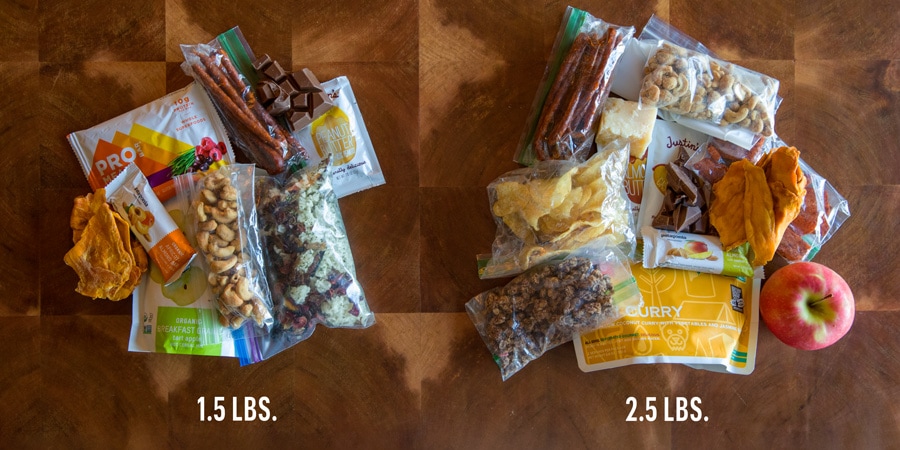
Credit: www.rei.com
Practical Tips For Beginner Backpackers
- Test Meals at Home: Make sure you like the taste and your stomach agrees.
- Count Calories: Most backpackers need 2,500 to 4,000 calories per day, depending on distance and weight.
- Bring Variety: Eating the same thing every day gets boring fast.
- Plan for Water: Many backpacking meals need hot water. Know your water sources.
- Check for Food Allergies: Some packaged meals have nuts or dairy. Double-check labels.
One thing beginners miss is how much food they actually need. It’s better to have a little extra than to go hungry, but too much weight will slow you down.
Frequently Asked Questions
What Are The Best Foods To Avoid Spoilage On A Backpacking Trip?
Choose dehydrated meals, dried fruits, hard cheeses, and sealed meats like jerky. These foods last longer without refrigeration.
How Do I Calculate How Much Food To Bring?
Plan for about 1.5 to 2.5 pounds (700–1100g) of food per person per day, aiming for 2,500–4,000 calories depending on your activity level.
Can I Bring Fresh Fruit Or Vegetables?
You can bring hard fruits like apples or carrots for the first day, but they add weight. Dried options are better for longer trips.
Is It Safe To Eat Only Energy Bars?
No, you need variety for nutrition and to avoid taste fatigue. Use energy bars as snacks, not as your main meals.
Where Can I Find More Detailed Backpacking Food Guides?
Check REI’s backpacking food guide for more tips and recipes.
Smart backpacking food choices can make your first trip safer and more enjoyable. With these ideas and tips, you’ll avoid common mistakes and have the energy you need for the adventure ahead. Happy hiking!

Credit: keeprollingmtbblog.wordpress.com