Long-distance hiking is a true test of both your body and mind. You leave behind the comfort of home and carry everything you need on your back. Days are spent walking through forests, over mountains, and across valleys. At night, you sleep under the stars or in a simple tent.
For many, it’s a life-changing experience that brings both challenge and joy. But the path to a successful long-distance hike is full of small details that can make or break your journey. Whether you dream of hiking the Appalachian Trail or planning your first multi-day trip, smart planning and the right mindset are key.
This guide shares proven long-distance hiking tips, practical advice, and insider insights that can help even beginners avoid common mistakes. From gear choices to daily routines, you’ll find everything you need to prepare, walk, and enjoy every step of the trail.
Plan Your Route Carefully
A great hike starts with a solid plan. Research your chosen trail, including its length, weather patterns, and water sources. For example, the Pacific Crest Trail runs about 4,265 km (2,650 miles) and crosses through different climates, from deserts to snowy mountains.
Check recent trail reports for closures or hazards. Use official trail websites and recent hiker blogs for updates. Mark resupply points and emergency exits. Print or download offline maps, as cell service is often unreliable.
Train Your Body For Endurance
Long-distance hiking demands both strength and stamina. Start training at least two months before your trip. Mix cardio (like walking, running, or cycling) with leg and core exercises (such as squats and planks). Carry a loaded backpack during some hikes to get used to the weight.
Aim to hike at least 10-15 km (6-10 miles) in a single day with your gear before the real trip. This gives you a clear idea of your current fitness and the chance to adjust your plan.
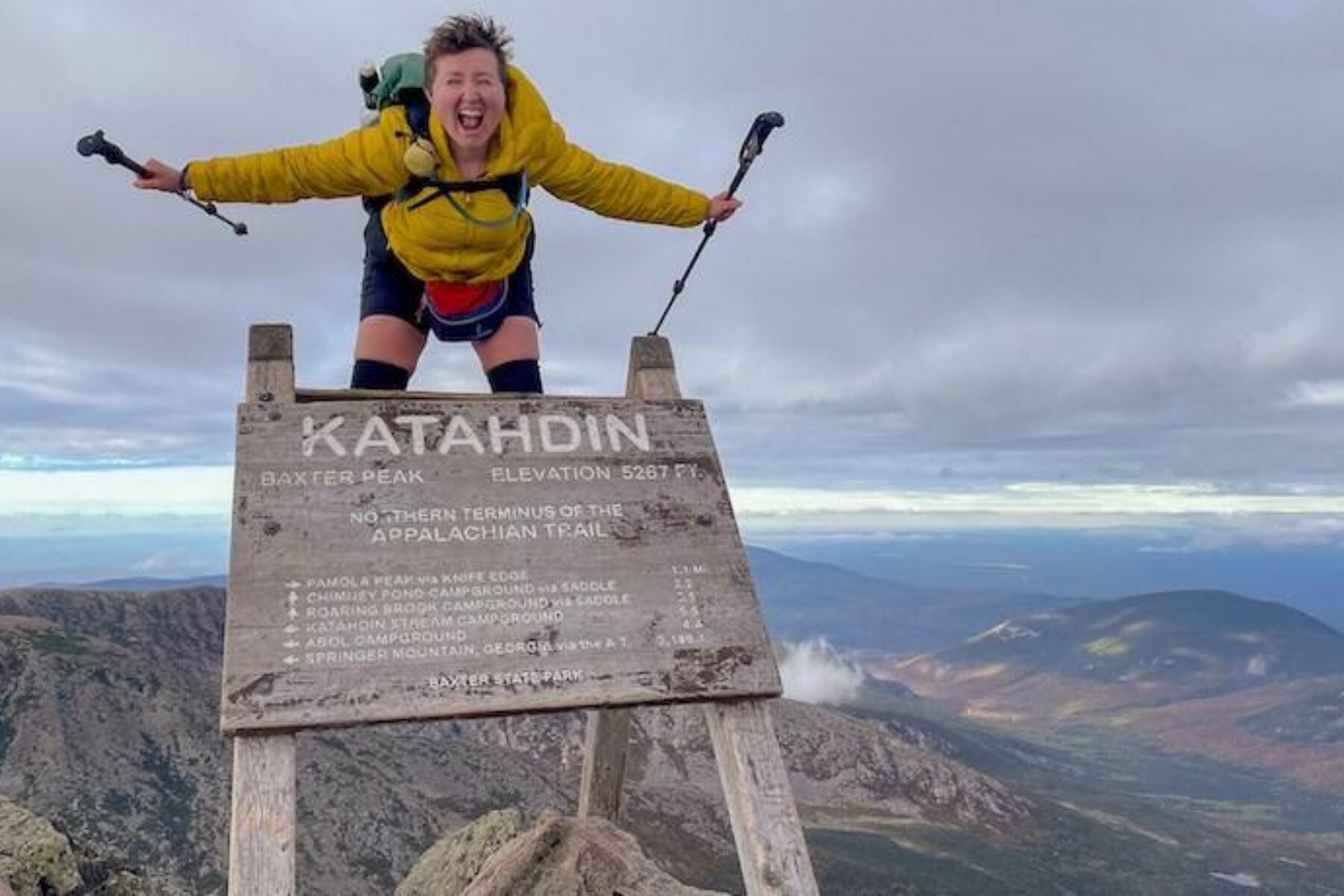
Credit: www.railstotrails.org
Choose The Right Gear
Your backpack is your home on the trail. Every item must earn its place. Go for lightweight, durable, and weather-appropriate gear. Here is a quick comparison of common shelter options:
| Shelter Type | Weight (kg) | Setup Time | Weather Protection |
|---|---|---|---|
| Tent | 1.5-2.5 | 5-10 min | Excellent |
| Hammock | 0.7-1.5 | 5 min | Good (with tarp) |
| Tarp | 0.3-0.8 | 2-5 min | Basic |
Invest in good hiking shoes, moisture-wicking clothes, and a quality sleeping bag. Don’t forget a water filter, headlamp, and a small repair kit. Beginners often pack too many “just in case” items, which adds unnecessary weight.
Pack Light, But Don’t Skip Essentials
Every extra kilogram slows you down. Aim for a base weight (gear without food and water) under 10 kg (22 lbs) if possible. Use travel-sized toiletries, and share group gear when hiking with others.
However, never skip safety items:
- First aid kit
- Map and compass (even if you have GPS)
- Emergency blanket
- Whistle
Experienced hikers know that the right balance between comfort and minimalism is learned over time.
Master Food And Water Planning
Staying fueled is crucial on long hikes. Most hikers burn 3,000–6,000 calories per day. Pack lightweight, high-calorie foods like nuts, dried fruit, instant noodles, and energy bars. Plan your meals so you’re not carrying excess.
Here’s an example of a daily menu for a long-distance hiker:
| Meal | Food Example | Calories |
|---|---|---|
| Breakfast | Oatmeal, nuts | 400 |
| Lunch | Tortilla, peanut butter, honey | 600 |
| Snacks | Trail mix, jerky | 800 |
| Dinner | Instant pasta, cheese | 700 |
For water, know your resupply points and always carry a backup treatment method. On some trails, water can be scarce for up to 30 km (18 miles).
Learn To Prevent And Treat Injuries
Blisters and joint pain are common on long hikes. To prevent blisters, wear well-fitted shoes and change socks often. Apply blister tape to hotspots early. For sore knees, use trekking poles and take regular breaks.
Carry painkillers and basic first aid supplies. If you notice a problem, address it right away—small issues grow quickly on the trail.
Hike Your Own Hike
It’s easy to compare yourself to others, but every hiker has a unique pace and style. Listen to your body, and set realistic daily targets. Some hikers cover 30 km (19 miles) in a day, while others do half that.
Respect your limits to avoid burnout or injury.
Respect Nature And Leave No Trace
Long-distance hiking takes you through wild places. Always follow Leave No Trace principles:
- Pack out all trash
- Camp at least 60 meters (200 feet) from water sources
- Use a trowel to bury waste
For more on Leave No Trace, see the guidelines at Leave No Trace Center for Outdoor Ethics.

Credit: www.travelbugtonic.com
Stay Motivated When The Going Gets Tough
Mental fatigue is just as real as physical tiredness. Some days will be hard—bad weather, sore feet, or loneliness. Bring a small treat, music, or a book for tough moments. Remember why you started and celebrate small victories, like reaching a new milestone or finishing a hard climb.
Experienced hikers often say it’s the mental game that determines who finishes a long-distance trek.
Non-obvious Insights For Long-distance Hikers
- Keep a daily log. Write a few lines each night about your mood, weather, and what worked or didn’t. This record is helpful for future trips and keeps your spirits up.
- Test your gear before you go. Use everything at least once on a practice hike, especially your stove, tent, and shoes. Many beginners only discover problems after it’s too late to change.

Credit: slowerhiking.com
Frequently Asked Questions
How Many Kilometers Can I Hike In A Day?
Most beginners cover 15–20 km (9–12 miles) daily, while experienced hikers often go 25–30 km (15–19 miles). Your pace depends on fitness, terrain, and pack weight.
What Is The Best Way To Prevent Blisters?
Wear well-fitted shoes and moisture-wicking socks. Take breaks to air your feet, and treat hot spots with tape before they become blisters.
How Do I Find Safe Water On The Trail?
Research water sources before your hike. Always treat or filter water, even if it looks clean. Carry enough to reach the next known source.
What Should I Do If I Get Lost?
Stay calm and stop moving. Check your map, compass, and GPS. If you cannot find your way, stay put and signal for help with a whistle or reflective gear.
How Much Food Should I Bring For A Week-long Hike?
Plan for 2,500–4,000 calories per day, depending on your size and activity level. Pack foods that are lightweight, high in energy, and easy to prepare.
Long-distance hiking is about more than covering ground. It’s about self-discovery, resilience, and enjoying the beauty of the world step by step. With careful planning, the right gear, and a positive mindset, you can tackle any trail with confidence. Lace up your boots, trust your preparation, and start your adventure—one step at a time.