Planning a camping trip is exciting, but many people overlook how small details can make or break their outdoor adventure. Whether you’re pitching a tent in the forest, beside a lake, or high in the mountains, understanding what affects your camping experience is key.
Being aware of these factors helps you avoid common mistakes and ensures your time in nature is safe, comfortable, and memorable.
Location And Environment
Where you choose to camp shapes your entire experience. Some sites offer stunning views and easy access to water, while others are remote or exposed to harsh weather.
- Accessibility: If your campsite is far from roads or paths, carrying gear becomes difficult. You may need to hike several kilometers, so always check how easy it is to reach the spot.
- Terrain: Flat, dry ground is best for sleeping. Avoid rocky areas or slopes, which can cause discomfort and even safety issues.
- Water sources: Camping near a clean river or lake makes cooking, cleaning, and drinking easier. However, being too close can attract insects and wildlife.
A practical tip many beginners miss: Always check for signs of recent flooding or erosion. Campsites that look safe now may become dangerous after rain.
Weather Conditions
Weather can change quickly and has a huge impact on camping comfort. Rain, wind, and temperature shifts can turn a peaceful night into a challenge.
| Weather | Effect on Camping | Preparation Needed |
|---|---|---|
| Rain | Muddy ground, wet gear | Waterproof tent, tarps |
| Wind | Unstable tents, cold | Strong stakes, windbreaks |
| Cold | Risk of hypothermia | Warm sleeping bag, layers |
| Heat | Dehydration, sunburn | Shade, sunscreen, extra water |
Always check the weather forecast before you leave. Unexpected storms are one of the most common causes of ruined trips.
Equipment And Gear Quality
The quality of your camping gear is critical. Faulty equipment can lead to discomfort or even danger.
- Tent quality: Cheap tents may leak or break in wind. Choose tents with strong poles and good waterproofing.
- Sleeping bags: Match your sleeping bag to the season. A summer bag won’t keep you warm in cold nights.
- Cooking tools: Bring a reliable stove and fuel. Open fires are banned in many parks for safety.
- Lighting: Headlamps and lanterns help you navigate after dark. Don’t rely only on your phone.
Many beginners forget to test gear at home. Always set up your tent and try your stove before the trip.
Food And Water Supply
Running out of food or water is a serious risk. Plan meals carefully and bring extra supplies.
- Meal planning: Simple foods like pasta, rice, and canned goods are easy to cook. Take snacks for energy.
- Water safety: If you use water from lakes or rivers, always filter or boil it to avoid illness.
- Storage: Keep food sealed to prevent animals from entering your campsite.
A common mistake is underestimating water needs. On average, a person needs about 3 liters of water per day for drinking and cooking.
Wildlife And Insects
Nature is full of surprises. Animals and insects can be beautiful or bothersome.
| Animal/Insect | Possible Problem | Prevention |
|---|---|---|
| Bears | Food theft, danger | Store food in bear-proof containers |
| Mosquitoes | Bites, discomfort | Repellent, netting |
| Snakes | Bites, fear | Stay on paths, check shoes |
| Raccoons | Food theft | Keep trash sealed |
Watch for animal tracks and droppings. These are signs you’re camping near wildlife.
Group Dynamics
Camping is often a group activity. The mood and skills of your group change how well you enjoy the trip.
- Skill level: If some people are new to camping, plan simple tasks and easy routes.
- Responsibilities: Assign duties like cooking, cleaning, and fire safety. This keeps everyone involved.
- Conflict management: Stress and tiredness can cause arguments. Stay patient and encourage teamwork.
A non-obvious insight: Group camping works best when every person has a clear role. This prevents confusion and makes the trip smoother.
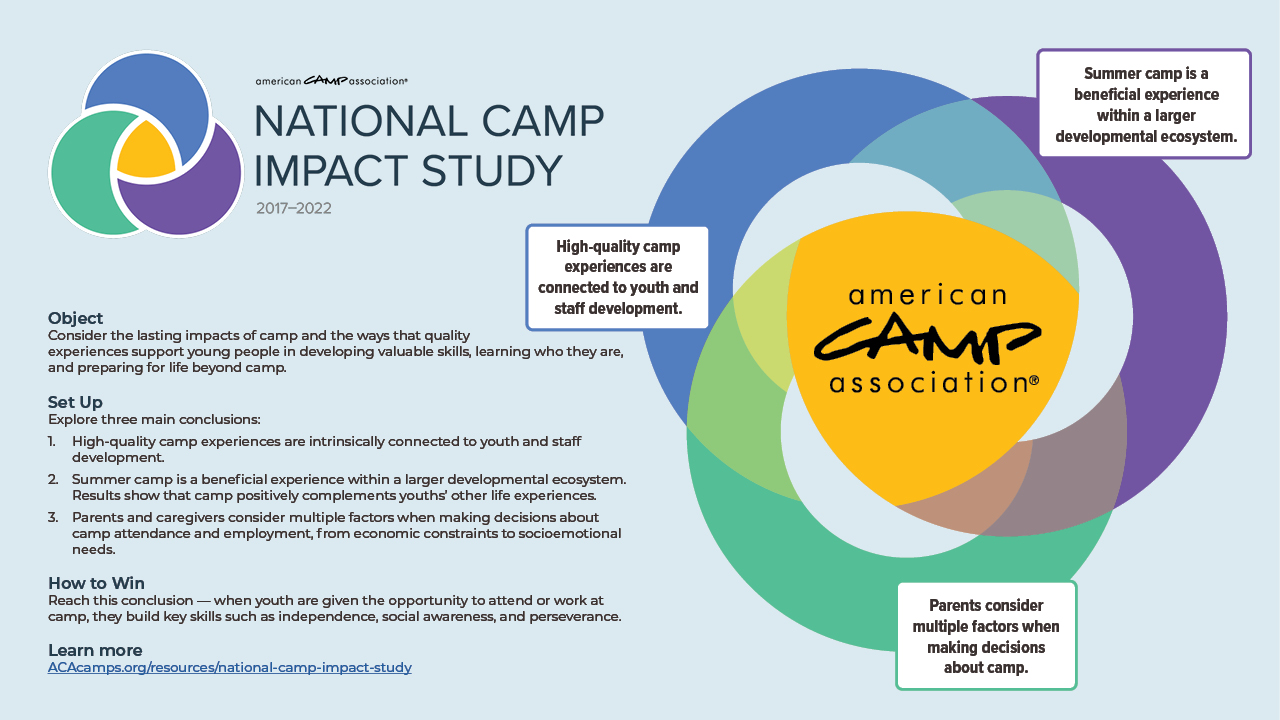
Credit: www.acacamps.org
Safety And Emergency Preparedness
Camping comes with risks. Injuries, getting lost, or sudden illness are possible.
- First aid kit: Always bring a full kit with bandages, antiseptics, and medicines.
- Navigation tools: Maps and compasses are reliable. GPS devices are helpful but can fail.
- Emergency plan: Share your location and trip plan with someone who’s not camping. Know the nearest hospital or ranger station.
Don’t rely only on your phone for emergencies. Batteries die quickly in cold or remote areas.
Regulations And Permits
Many campsites require permits and have strict rules.
- Permits: Popular sites often require booking in advance. Check online before you go.
- Fire regulations: Some places ban open flames. Bring a camp stove instead.
- Waste management: “Leave no trace” is important. Pack out all trash.
Breaking rules can result in fines or your trip being cut short.
Personal Comfort And Health
Your own health and comfort matter just as much as nature or gear.
- Hygiene: Bring soap, wipes, and hand sanitizer. Many sites lack bathrooms.
- Clothing: Dress in layers. Weather changes often, so adjust as needed.
- Sleep quality: A thick sleeping pad helps you rest better. Earplugs can help if your site is noisy.
If you have allergies or medical needs, pack extra medicine and inform your group.
Technology And Connectivity
Many campers want to disconnect, but sometimes technology is necessary.
- Phone signal: Remote areas often lack coverage. Plan for no contact.
- Charging devices: Solar chargers or power banks help keep your devices alive.
- GPS use: Helpful for navigation, but always bring a backup map.
Some people prefer paper maps and walkie-talkies for group communication.

Credit: www.iheartpacificnorthwest.com
Comparing Camping Experiences
Different types of camping offer unique challenges. Here’s a quick comparison:
| Camping Type | Difficulty | Best For |
|---|---|---|
| Car camping | Easy | Families, beginners |
| Backpacking | Medium | Adventure seekers |
| Wild camping | Hard | Experienced campers |
Choose a camping style that matches your experience and needs.
Frequently Asked Questions
What Is The Best Way To Choose A Campsite?
Look for flat ground, access to water, and protection from wind. Check online reviews and maps for safety and comfort.
How Can I Prepare For Bad Weather While Camping?
Bring waterproof gear, extra clothes, and check the forecast. Set up your tent away from flood areas and use tarps for extra shelter.
How Much Food And Water Should I Bring?
Pack enough for each meal, plus extra snacks. Bring at least 3 liters of water per person per day, or have a way to purify natural water.
What Safety Tips Should I Follow While Camping?
Always carry a first aid kit, maps, and a flashlight. Share your trip plans with someone at home and know emergency contacts.
Are There Websites To Help Plan Camping Trips?
Yes. Official park sites and resources like National Park Service offer maps, regulations, and tips.
A successful camping experience comes from smart planning and careful choices. When you understand these factors, you can avoid problems and focus on enjoying the beauty and peace of nature. Take time to prepare, respect the environment, and be ready for surprises.
This way, every camping trip becomes a special memory.
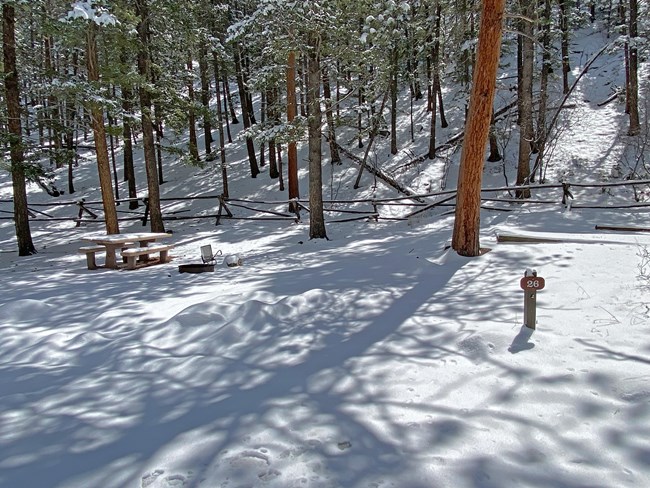
Credit: www.nps.gov