Going on a hike is more than just enjoying nature; it’s about fueling your adventure with the right food. A good hiking meal can make your journey easier, keep your energy up, and help you recover faster. The best hiking meals are lightweight, easy to prepare, and taste good even in the middle of a forest or on top of a mountain.
But with so many choices, how do you know which meals are best for hiking?
This guide explores the best hiking meals for day hikes, overnight trips, and multi-day treks. You’ll learn what matters when picking your food, see real examples, and get tips you won’t find in every article. Whether you’re a beginner or have hiked for years, you’ll discover meals that really work on the trail.
What Makes A Great Hiking Meal?
The right meal for hiking does more than just fill you up. It should:
- Give you energy: Hiking burns a lot of calories. You need a mix of carbohydrates, protein, and healthy fats.
- Be easy to carry: Weight and space matter. Meals should be light and compact.
- Stay fresh: Food should be safe in your pack for hours or days.
- Be simple to prepare: You may have limited water, tools, or time.
- Taste good: Enjoying your meal boosts your mood and motivation.
Many new hikers focus only on calories, but electrolytes and hydration are just as important, especially on hot days or long climbs.
Best Hiking Meals For Every Trip
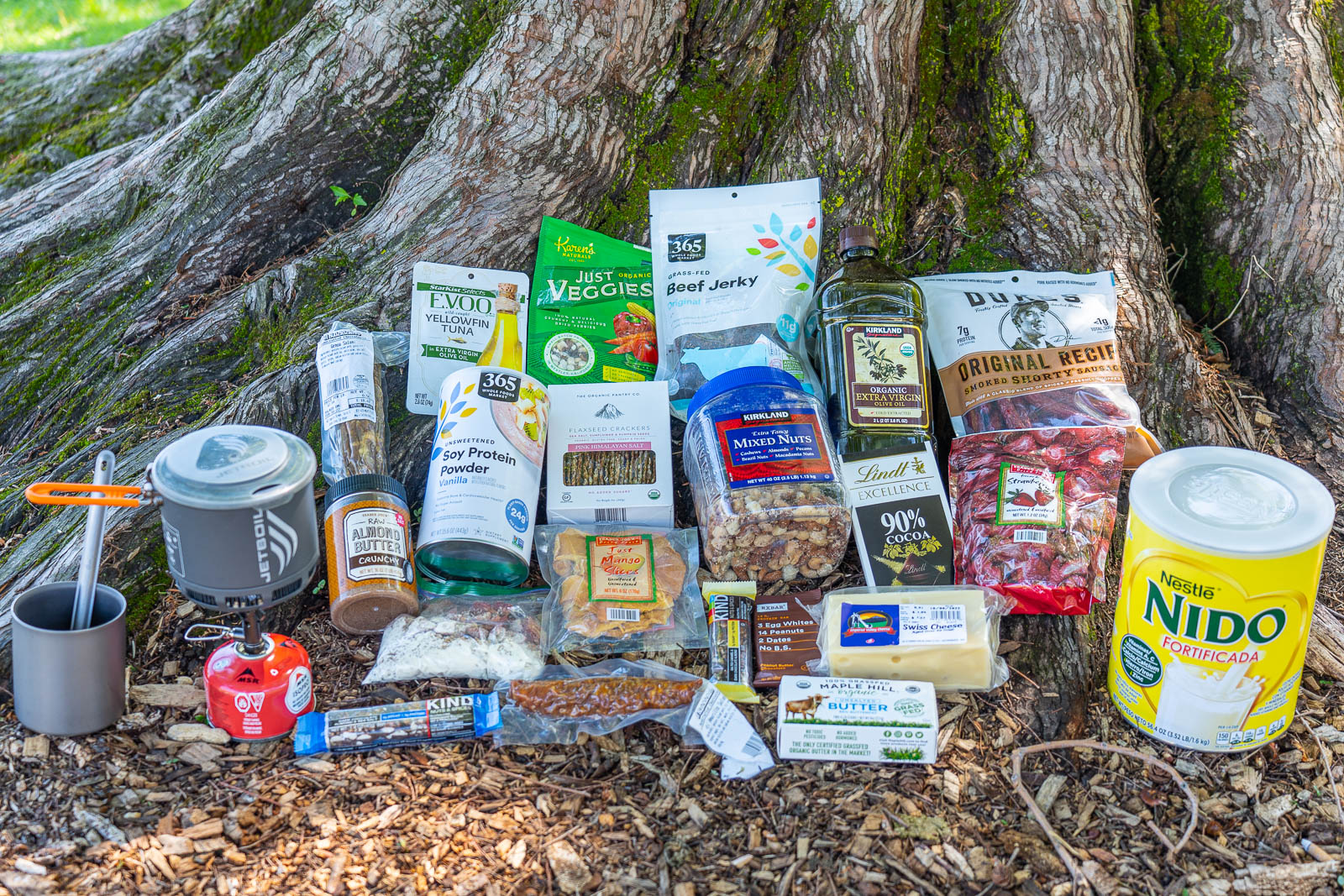
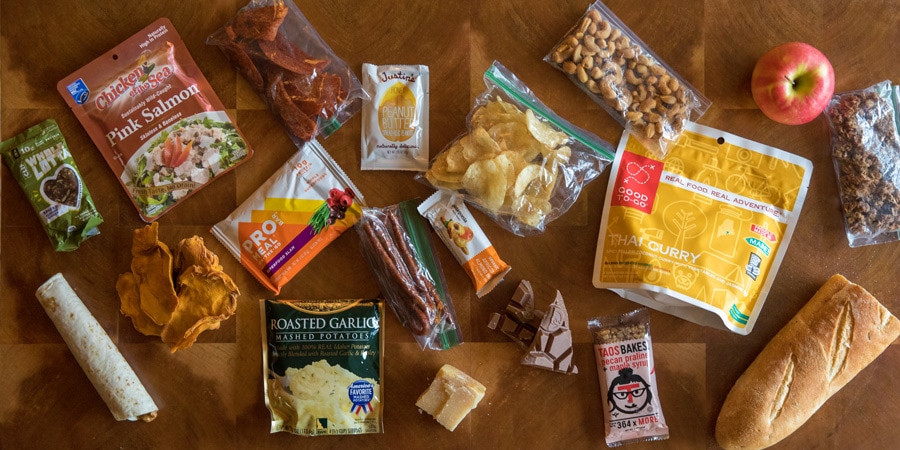
Here are the top options for hiking meals, with real examples and tips for each type of adventure.
1. Trail Mix
A classic for a reason. Trail mix blends nuts, dried fruit, seeds, and sometimes chocolate or granola. It’s calorie-dense and easy to eat on the go.
Tip: Avoid mixes with too much sugar. Add sunflower seeds or pumpkin seeds for more magnesium—a mineral lost when you sweat.
2. Energy Bars
Energy bars are a fast, no-cook option. Look for bars with at least 200 calories and a mix of carbs and protein. Some good brands are Clif Bar, RXBAR, and KIND.
Insider Tip: Rotate flavors. Eating the same bar every day can make you lose your appetite, especially on multi-day hikes.
3. Peanut Butter Wraps
Spread peanut butter on a tortilla and add honey, banana, or raisins. Tortillas last longer than bread and don’t get crushed easily.
Why it works: High in calories, portable, and no cooking needed.
4. Jerky
Beef, turkey, or vegan jerky gives you long-lasting protein. It doesn’t spoil easily and adds variety to your meals.
Caution: Some jerkies are very salty, which can make you thirsty. Drink enough water or pair with low-salt snacks.
5. Instant Oatmeal
Great for breakfast or a snack. Just add hot water. Oatmeal is filling, easy to digest, and can be made sweeter or savory.
Pro Tip: Bring powdered milk or nut butter to mix in for extra calories and flavor.
6. Freeze-dried Meals
These meals are made to be lightweight and only need hot water. Brands like Mountain House and Backpacker’s Pantry offer options like chili, pasta, or curry.
Drawback: Can be more expensive, but very convenient for long hikes.
7. Tuna Or Salmon Packets
These foil packets are lighter than cans and don’t leak. Add to a wrap, crackers, or eat with a spoon.
Note: Choose packets with olive oil for more calories and flavor.
8. Cheese And Crackers
Hard cheeses like cheddar or gouda last longer than soft cheese. Pair with whole-grain crackers for a simple lunch.
Insider Insight: In cool weather, cheese can last 2–3 days. On hot hikes, eat it early to avoid spoilage.
9. Couscous Or Instant Rice
Both cook quickly with just hot water. Mix with dried veggies, spices, or instant soup packets.
Practical Example: Mix instant rice with a chicken packet and soy sauce for a fast, filling dinner.
10. Dehydrated Soups
Dehydrated soups are light and warm you up at camp. Add extra protein with cheese or jerky.
Extra Tip: Use less water for a thicker, more satisfying meal.
11. Fresh Fruit
Apples, oranges, and berries are refreshing and help with hydration. They’re heavier, so best for short hikes or the first day of a long trek.
Non-obvious tip: Freeze grapes the night before. They’ll keep other food cool and taste great as a snack.
12. Hummus Packets
Single-serve hummus doesn’t need refrigeration and pairs with crackers, pita, or veggies.
Watch out: Some packets need stirring. If oil separates, mix well before eating.
13. Pasta Salad
Make at home with olive oil, cheese, and veggies. Store in a tight container. Best for day hikes.
Tip: Use whole wheat pasta for longer energy release.
14. Instant Mashed Potatoes
Very lightweight and quick to prepare. Mix with cheese, jerky, or gravy powder for a filling meal.
Beginner’s mistake: Don’t add too much water. Start with less and add more if needed.
15. Gorp
GORP (Good Old Raisins and Peanuts) is another classic mix. Add M&Ms, coconut flakes, or pretzels for variety.
Why it’s great: Easy to make at home, customizable, and calorie-rich.
Credit: www.adventurealan.com
Comparing Popular Hiking Meals
To help you choose, here is a quick look at the nutrition and weight of some top hiking meals:
| Meal | Calories per 100g | Protein (g) | Weight (g per serving) |
|---|---|---|---|
| Trail Mix | 450 | 12 | 50 |
| Energy Bar | 380 | 8 | 60 |
| Instant Oatmeal | 360 | 7 | 45 |
| Freeze-Dried Meal | 450 | 20 | 100 |
Day Hike Vs. Multi-day Hike Meals
Choosing meals can change depending on your hike length. Here’s a comparison of what works best:
| Type of Hike | Best Meal Choices | Why |
|---|---|---|
| Day Hike | Fresh Fruit, Wraps, Pasta Salad | Heavier foods are okay, more variety |
| Multi-Day Hike | Freeze-dried Meals, Jerky, GORP | Lightweight, doesn’t spoil easily |
Credit: www.rei.com
Mistakes To Avoid When Choosing Hiking Meals
Many beginners make the same mistakes:
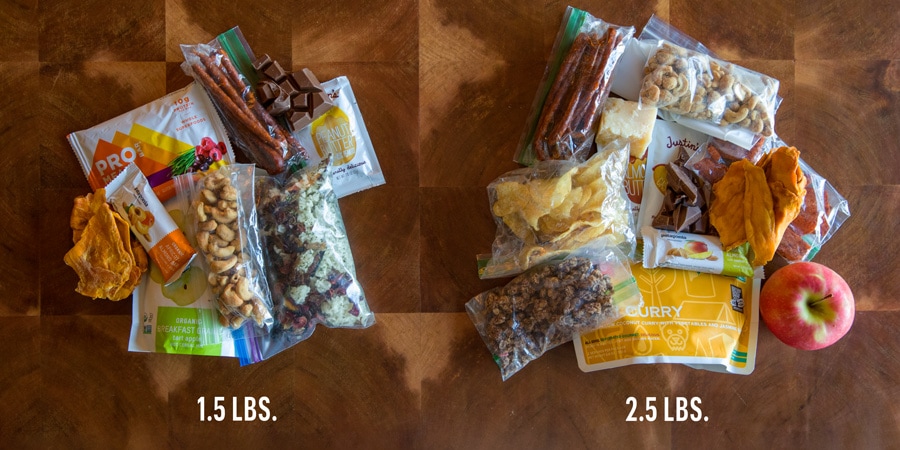
- Packing too much food: It adds weight and slows you down.
- Not enough variety: This can make you lose your appetite.
- Forgetting about food safety: Cheese and meat can spoil in hot weather.
- Ignoring hydration: Salty snacks without enough water can cause cramps.
Bring a mix of quick snacks (like trail mix or bars) and real meals (like instant rice or freeze-dried dinners) for balance.
Where To Learn More
If you want in-depth nutrition advice for hiking, check out the REI menu planning guide for expert tips and sample menus.
Credit: www.rei.com
Frequently Asked Questions
What Is The Best Food To Bring On A Short Hike?
Fresh fruit, trail mix, and energy bars are best for short hikes. They’re easy to pack, require no prep, and give fast energy.
How Much Food Should I Bring For A Full-day Hike?
Aim for 200–300 calories per hour of hiking. That means around 1,500–2,500 calories for a long day, depending on your pace and body size.
Can I Bring Fresh Food On A Multi-day Hike?
It’s best to eat fresh food in the first 1–2 days. After that, focus on dehydrated or freeze-dried meals to avoid spoilage.
What’s A Good Vegetarian Hiking Meal?
Try hummus packets, nut butter wraps, or freeze-dried vegetarian dinners. Add nuts, seeds, and dried fruit for extra calories and nutrients.
Do I Need Special Cookware For Hiking Meals?
For cold meals, you don’t need cookware. For hot meals (like oatmeal or soup), bring a lightweight camp stove and a small pot or cup.
Choosing the best hiking meals is not just about taste; it’s about having enough energy to enjoy your adventure. With smart planning, you can eat well and hike strong, no matter where the trail takes you.