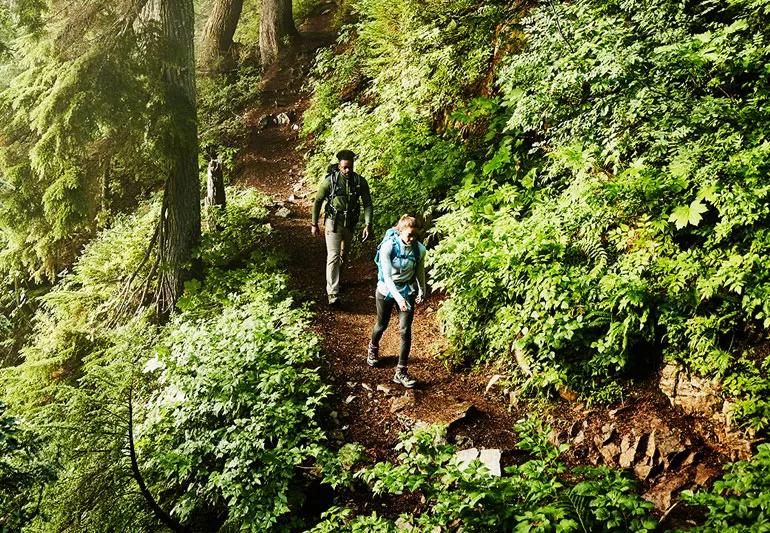
Many people look for fun ways to lose weight. The gym can feel boring or too hard. What if you could burn fat, boost your mood, and enjoy nature at the same time? This is where hiking becomes a powerful choice. Hiking is more than just a walk in the park. It’s a dynamic outdoor activity that challenges your whole body. But the big question is, does hiking burn fat? The answer is yes—and the science behind it might surprise you.
How Hiking Burns Fat
When you hike, your body uses large muscle groups—legs, core, and even arms if you use trekking poles. This makes your heart beat faster and your body burn more calories. The main way hiking helps burn fat is by increasing your calorie deficit. Simply put, if you use more energy than you eat, your body starts to use stored fat for fuel.
Hiking is usually done at a moderate intensity. This means you’re moving enough to sweat and breathe heavier, but you can usually still talk. At this level, your body gets much of its energy from fat stores. That’s different from sprinting or lifting heavy weights, where your body burns more sugar (glycogen) instead of fat.
Calories Burned Hiking Vs Other Activities
To understand how effective hiking is for fat loss, it’s helpful to compare it to other exercises.
| Activity | Calories Burned (1 hour, 70 kg person) |
|---|---|
| Hiking (moderate) | 430-480 |
| Walking (brisk) | 280-350 |
| Running (6 mph) | 700-800 |
| Cycling (moderate) | 500-600 |
As you can see, hiking burns more calories than walking and is close to cycling. If you hike on steep trails or carry a backpack, you burn even more.

Credit: kslnewsradio.com
Why Hiking Is Especially Good For Fat Loss
Hiking has unique benefits for fat loss that many people miss:
- Longer Duration: Most people hike for one hour or more. Longer activity means more total calories burned, increasing fat loss.
- Varied Terrain: Hills, rocks, and uneven ground make your body work harder. This boosts your metabolism and uses more muscles, leading to higher fat burn.
- Low Impact: Hiking is easier on your joints compared to running. You can go for longer without as much risk of injury.
- Afterburn Effect: Challenging hikes can create an “afterburn” (EPOC). Your body keeps burning extra calories even after you finish.
- Mental Benefits: Being in nature reduces stress. Lower stress means less cortisol, a hormone linked to fat storage.
How To Maximize Fat Burning While Hiking
If your goal is to burn more fat, here’s how to get the most out of your hikes:
- Choose Hilly or Rocky Trails: Steep paths force your body to work harder, using more energy.
- Carry a Backpack: Adding weight increases calorie burn by 10-20%. Start light and add weight as you get fitter.
- Keep a Brisk Pace: You should be able to talk, but not sing. This keeps you in the fat-burning zone.
- Hike Regularly: Aim for 2-3 times per week. Consistency matters more than distance.
- Fuel Wisely: Don’t overeat after hiking. Many people undo their fat loss by eating too many snacks post-hike.
Common Mistakes That Reduce Fat Loss
Many beginners make errors that slow down their results:
- Overestimating Calories Burned: Fitness trackers can be inaccurate. Don’t reward yourself with big meals after hiking.
- Walking Too Slowly: A slow stroll won’t raise your heart rate enough for maximum fat loss.
- Ignoring Hydration and Nutrition: Dehydration can slow your metabolism. Drink water and eat balanced meals.
- Wearing Poor Footwear: Bad shoes can cause pain, making you hike less or stop altogether.
Real-world Example
Let’s say a person weighs 70 kg (about 154 lbs) and hikes for 2 hours on a hilly trail. They burn roughly 900-1000 calories. If they maintain a healthy diet, this can lead to steady fat loss. Over a month, regular hiking can help lose between 0.5 to 1.5 kg of fat, depending on other lifestyle choices.
Hiking Vs. Other Fat-burning Workouts
Here is a quick comparison of hiking and two other popular workouts for fat loss:
| Factor | Hiking | Running | Cycling |
|---|---|---|---|
| Impact on Joints | Low | High | Low |
| Muscle Groups Used | Full body | Legs, core | Legs, some core |
| Mental Health Benefits | Very high | Medium | Medium |
| Calorie Burn (1 hour) | 430-480 | 700-800 | 500-600 |
Hiking stands out for being easier on your body, more enjoyable for many people, and offering big mental health benefits.
Non-obvious Insights For Better Fat Loss
- Hiking at Higher Altitudes: Trails at higher elevations make your heart and lungs work harder. Your body burns more calories even at rest for a few hours after.
- Interval Hiking: Add short bursts of fast-paced walking or uphill sprints during your hike. This mix of speeds increases total fat burned.
- Group Hiking: Going with friends or a club helps you stay motivated and hike for longer.
Many people focus only on the numbers, but the added motivation and enjoyment from hiking often mean you’ll stick to it longer than other workouts.
Safety And Preparation Tips
Before heading out:
- Check weather and trail conditions.
- Wear comfortable shoes with good grip.
- Pack water, a snack, and a small first aid kit.
- Let someone know your route.
- Start with easy trails and increase difficulty as your fitness improves.
Frequently Asked Questions
Credit: health.clevelandclinic.org
Does Hiking Burn Belly Fat?
Yes, hiking burns overall body fat, including belly fat. Spot-reducing one area is not possible, but regular hiking lowers fat across the whole body, leading to a slimmer waist over time.
How Often Should I Hike To Lose Fat?
For best results, aim for 2-3 hikes per week of at least 45-60 minutes each. Consistency is more important than distance or speed.

Credit: vpl.bibliocommons.com
Is Hiking Better Than Running For Fat Loss?
Both burn calories, but running burns more per hour. However, hiking is easier on the joints and often more enjoyable, which helps people stick with it longer.
Do I Need Special Equipment To Start Hiking?
You only need comfortable shoes, weather-appropriate clothes, and water. As you get more serious, you can add poles, backpacks, or hiking boots.
Where Can I Find Safe Hiking Trails?
Look for local parks, nature reserves, or hiking clubs. Apps and websites like AllTrails or your country’s national park service list well-marked trails. For more ideas, visit the National Park Service.
In summary, hiking is a natural, enjoyable, and powerful way to burn fat. It challenges your body, clears your mind, and connects you with the outdoors. With the right approach, hiking can help you reach your fat loss goals—and make the journey much more fun.