Can You Hike With Contact Lenses
Many people love spending time in nature, but if you wear glasses or contacts, you might wonder: Can you hike with contact lenses? The answer is yes, but there are some things you need to know before you hit the trail. Hiking with contacts can be comfortable and safe if you prepare properly. In fact, many hikers find contacts better than glasses for outdoor adventures. Still, the outdoors brings unique challenges for contact lens users, from dust to lack of clean water. This article will show you what to expect, how to prepare, and how to avoid common problems, so you can enjoy the trail and keep your eyes healthy.
Why Many Hikers Prefer Contact Lenses
Contact lenses offer several advantages over glasses when hiking. First, contacts provide unobstructed vision. There are no frames to block your view of the scenery. Contacts also do not fog up in humid weather or when you sweat, which often happens with glasses. You also avoid the annoyance of glasses slipping down your nose or bouncing on rough trails.
Another benefit is that contacts let you wear any type of sunglasses, including wraparound styles that block out more sun and wind. In rainy weather, you won’t have to deal with wet, blurry lenses. Many hikers also feel contacts are more comfortable under hats or helmets.
However, contact lenses are not perfect. Outdoor environments can be tough on your eyes. Dust, pollen, and wind can cause discomfort or even eye infections. This is why preparation is key.
Challenges Of Wearing Contact Lenses While Hiking
While hiking with contacts is possible, it comes with a few risks. Knowing these challenges helps you prepare and avoid problems.
- Dry eyes: Wind, sun, and dry air on trails can make your eyes feel dry or irritated.
- Dust and debris: Dirt, sand, and pollen can get into your eyes more easily with contacts than with glasses.
- Lack of clean water: Cleaning your hands and contacts is harder when you are far from home or clean restrooms.
- Lost lenses: If a lens falls out, finding it on a trail is almost impossible.
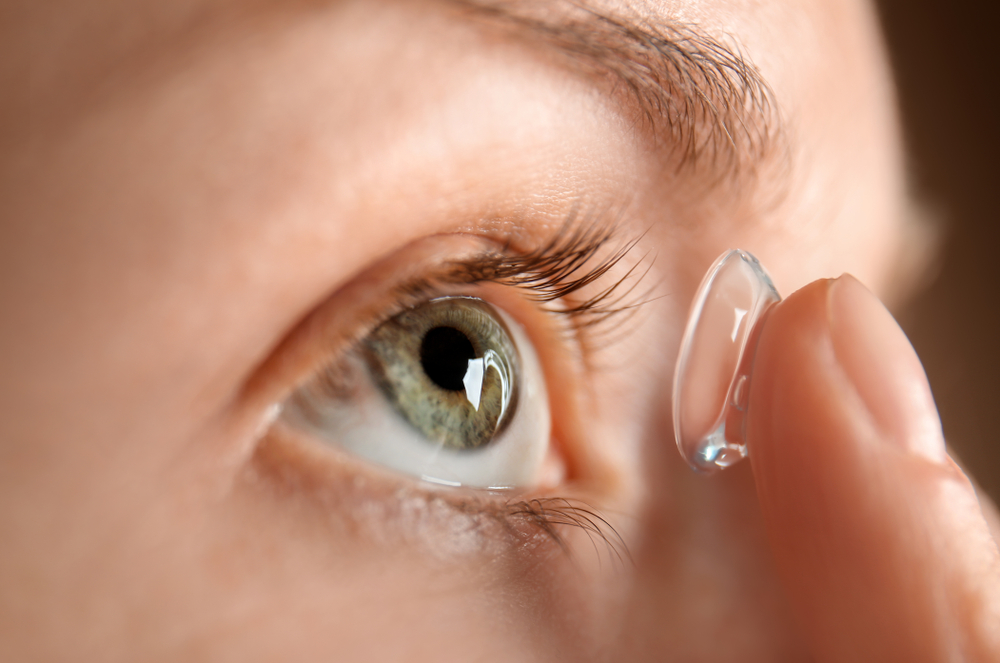
- Infections: Poor hygiene or handling contacts with dirty hands increases the risk of eye infections.
Sometimes, beginners forget how often their hands touch their face or eyes on a hike. This is a big risk because hiking trails are full of germs. Even brief contact with unwashed hands can introduce bacteria.
Credit: www.opticgalleryhualapai.com
Preparing For A Hike With Contact Lenses
Proper preparation makes hiking with contacts much safer and more comfortable. Here are steps to follow before your hike:
- Pack daily disposable lenses if possible. They are more hygienic because you use a fresh pair each day.
- Bring a backup pair of glasses. If you lose a lens or have eye trouble, you will still be able to see.
- Carry extra contact lenses. If you use non-daily lenses, pack a spare set.
- Bring a small bottle of saline or multipurpose solution. Make sure it is sealed and not expired.
- Pack a mirror. A small, lightweight mirror helps you insert or remove lenses safely.
- Carry hand sanitizer and tissues. Always clean your hands before touching your eyes or lenses.
- Wear sunglasses. Sunglasses protect your eyes from wind, dust, and UV rays.
- Check the weather forecast. Dry, windy, or dusty days may be harder on your eyes.
It’s a good idea to put your contact supplies in a waterproof bag. This keeps everything clean and dry, even if it rains or your backpack falls in a stream.
On The Trail: Best Practices
Once you are hiking, a few simple habits make a big difference for your eyes:
- Wash your hands before handling contacts, even if you use sanitizer.
- Avoid touching your eyes with dirty or sweaty hands.
- Keep contacts in your eyes as much as possible. Try not to remove or re-insert them on the trail unless absolutely necessary.
- Wear wraparound sunglasses to block dust and wind.
- Drink plenty of water. Staying hydrated helps keep your eyes moist.
- Use rewetting drops if your eyes feel dry. Make sure the drops are for contacts.
Many hikers overlook how quickly their hands get dirty on the trail. Even if your hands look clean, germs stick easily. Always clean your hands before touching your contacts.
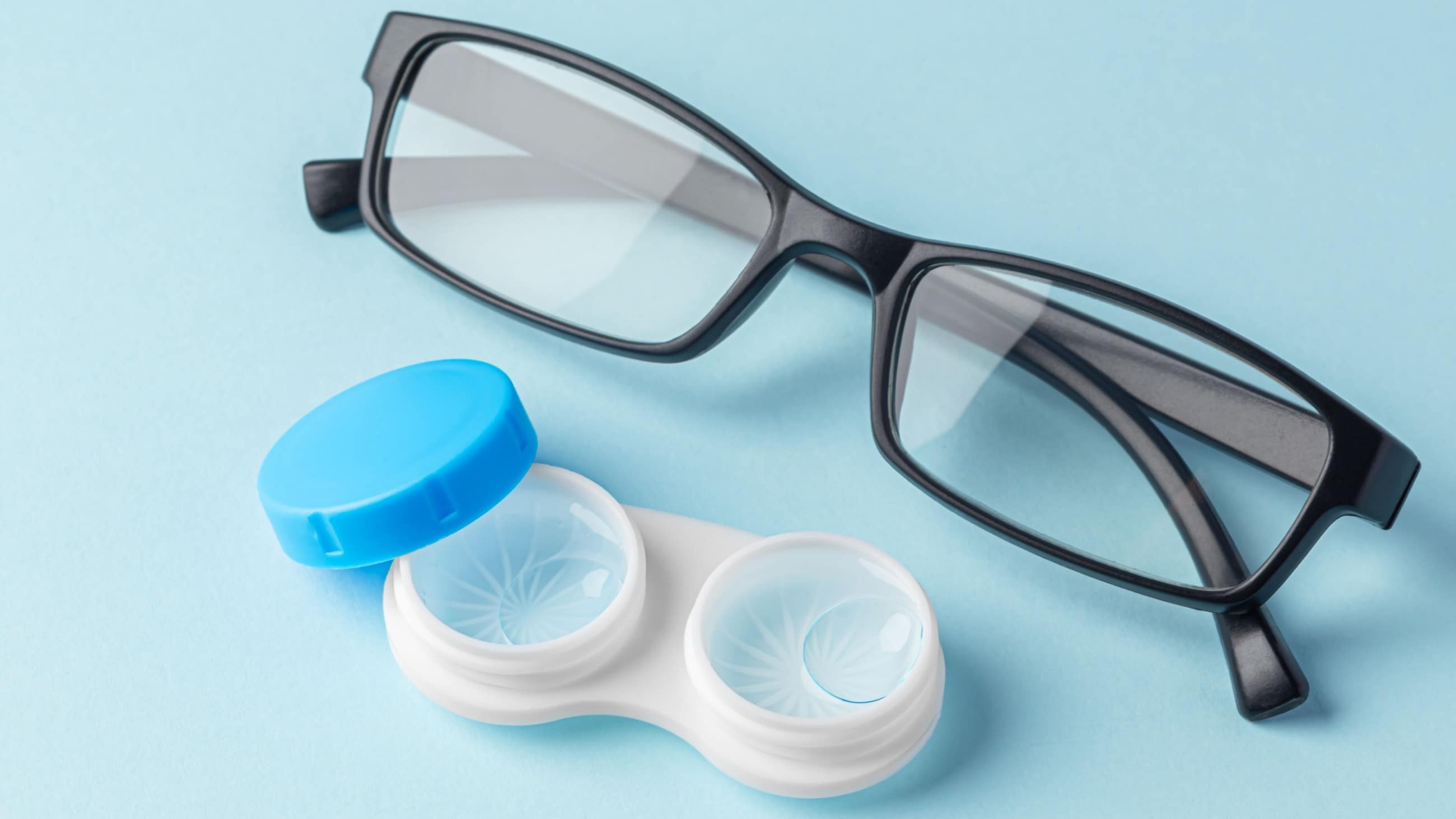
Comparing Glasses And Contacts For Hiking
Here is a quick comparison to help you decide what works best for you:
| Contact Lenses | Glasses | |
|---|---|---|
| Field of vision | Wide, no frame | Limited by frames |
| Fogging | No fog | Fog easily |
| Protection from dust | Low (need sunglasses) | Medium (some barrier) |
| Ease of cleaning | Needs clean hands & solution | Easy to wipe clean |
| Risk of loss | Easy to lose lens | Less likely to lose |
Credit: www.allaboutvision.com
Tips For Multi-day Or Backpacking Hikes
Longer hikes add extra challenges for contact lens users. Here are some expert tips to help you manage:
- Choose daily disposables for multi-day hikes. They are safest because you do not reuse them.
- Plan how to dispose of lenses. Never leave lenses in nature; pack them out with your trash.
- Bring enough solution and lenses for extra days in case your hike is delayed.
- Practice inserting and removing contacts without a bathroom before your trip. A stable, clean surface is best, but you may need to use your lap.
- Rest your eyes overnight. Remove contacts before sleeping, unless you use extended-wear lenses approved by your doctor.
Some hikers find it easier to switch to glasses at camp in the evening. This gives your eyes a break from contacts and lowers the risk of infection.
Essential Contact Lens Kit For Hiking
A basic kit for hiking with contacts should include:
| Item | Purpose | Notes |
|---|---|---|
| Backup glasses | Emergency vision | Sturdy, lightweight frame |
| Daily disposable lenses | Fresh pair each day | More hygienic |
| Contact lens solution | Cleaning & storage | Travel size |
| Small mirror | Safe insertion/removal | Unbreakable if possible |
| Hand sanitizer | Clean hands | Alcohol-based |
| Lens case | Storage | Keep clean & dry |
| Tissues or wipes | Dry hands | Unscented preferred |
Mistakes To Avoid
Many hikers make simple mistakes with contact lenses outdoors. Avoid these for a better experience:
- Ignoring hand hygiene. Always clean your hands before touching your lenses.
- Reusing old solution. Always use fresh solution.
- Wearing contacts overnight unless your doctor approves.
- Not carrying backups. Always have extra lenses and glasses.
- Leaving lenses in nature. Carry all trash out with you.
Beginners sometimes forget to plan for emergencies. For example, if a lens rips or falls out, you need a backup. Not having one can turn a fun hike into a blurry struggle.
When To Avoid Contacts On The Trail
There are times when it’s best not to wear contacts while hiking:
- If you have allergies that cause eye irritation.
- If the trail is very dusty or windy and you cannot protect your eyes.
- If you expect to swim in lakes or rivers (contacts should not be worn in untreated water).
- If you have a recent eye infection or injury.
In these cases, glasses are safer and more comfortable.
The Bottom Line
Hiking with contact lenses is not only possible, but for many, it’s the best way to see the outdoors clearly. With the right preparation and care, you can enjoy all the benefits—clear vision, comfort, and freedom from foggy glasses—while avoiding common risks.
Stay clean, pack carefully, and always have a backup plan. If you’re new to hiking with contacts, try a short day hike first to see how your eyes handle it. With practice, hiking with contacts can be easy and enjoyable.
For more advice about eye care and contact lenses, you can check resources from the American Academy of Ophthalmology.

Credit: chapelhilleye.com
Frequently Asked Questions
Can I Wear Contact Lenses While Hiking In The Rain?
Yes, you can. Contacts won’t fog up or get wet like glasses. Just protect your eyes with a hat or sunglasses to keep rain and debris out.
What Should I Do If I Lose A Contact Lens On The Trail?
Always bring a backup pair of lenses and glasses. If you lose a lens, use your backup or switch to glasses for the rest of your hike.
Are Daily Disposable Lenses Better For Hiking?
Yes, daily disposables are more hygienic. You use a fresh pair each day, which lowers your risk of infection during outdoor activities.
Can I Wear Contacts If I Plan To Swim In A River Or Lake During My Hike?
No, it’s not safe. Water can carry bacteria and cause infections. Remove your contacts before swimming in any untreated water.
How Can I Keep My Hands Clean Enough For Handling Contacts On The Trail?
Carry hand sanitizer and use it before touching your lenses. Dry your hands with a clean tissue before handling your contacts.