When you think about hiking boots, Timberlands might not be the first name that comes to mind. But have you ever wondered if Timberlands could actually be a solid choice for your next hike?
You want shoes that keep your feet comfortable, protected, and ready for any trail challenge. You’ll discover if Timberlands meet those needs or if they fall short when the path gets tough. Keep reading to find out if your favorite boots are hiking-ready or if it’s time to look elsewhere.
Timberlands And Hiking Basics
Timberlands are well-known boots that many people choose for outdoor activities. Hiking requires sturdy shoes that protect your feet and give good support. Timberlands have some qualities that can suit hiking needs. Understanding these basics helps decide if Timberlands match your hiking style and trail type.
Not all boots are the same. Timberlands come in different designs and features. Some are better for tough terrains, while others fit casual walks. Knowing the key features and types helps pick the right pair for your hiking adventures.
Key Features Of Timberlands
Timberlands often have thick soles that protect feet from sharp rocks and uneven ground. Their soles usually provide good grip to prevent slipping. The boots are made with strong leather that lasts long and resists water. Many models include padded collars for ankle support and comfort. These boots can handle mud, rain, and rough paths well. Breathable lining keeps feet dry by letting air flow. The lace-up design helps keep the boots tight and secure during hikes.
Types Of Timberland Boots
Classic Timberland boots are popular for casual use but also work for light hiking. They are durable and offer good ankle support. Hiking-specific Timberlands have extra cushioning and better sole traction for rough trails. Some models are waterproof, ideal for wet conditions and streams. Lightweight Timberlands reduce foot fatigue on long hikes. Work boots from Timberland may also suit hiking but focus more on protection than flexibility. Choosing the right type depends on trail difficulty and weather conditions.
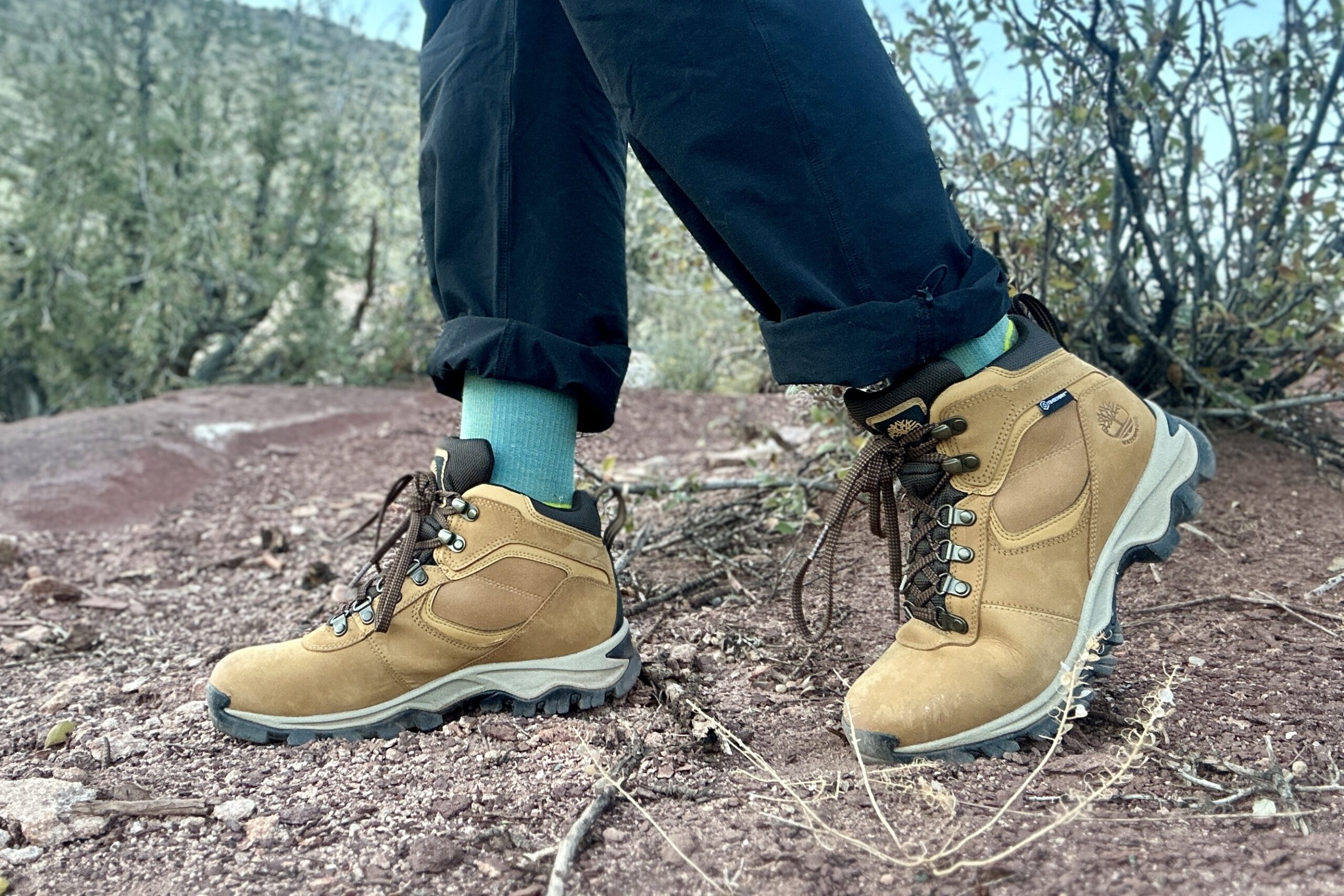
Credit: www.cleverhiker.com
Comfort Factors For Hiking
Comfort is key for hiking footwear. Hiking means walking on uneven trails for hours. Feet need support and relief to avoid pain and injury. Timberlands have some features that affect comfort during hikes.
Understanding these factors helps you decide if Timberlands suit your hiking needs.
Fit And Support
Proper fit keeps feet stable on rough paths. Timberlands often have a firm fit around the ankle. This helps prevent twisting on rocky surfaces. The boots are usually roomy in the toe box. It allows toes to move but stays secure. Good arch support in Timberlands can vary by model. Some styles offer solid cushioning underfoot. Others might lack enough support for long hikes. Trying them on and walking is important to check fit and comfort.
Breathability And Cushioning
Breathability keeps feet dry and cool. Timberlands use leather that can be less breathable than mesh. This can cause sweating in hot weather. Waterproof versions reduce airflow further. Cushioning in Timberlands is often thick. It helps absorb shock on hard trails. The padded collar adds comfort around the ankle. The sole usually has good grip to avoid slips. Yet, some hikers find Timberlands heavier than hiking boots. This weight can tire feet faster on long treks.
Durability On The Trail
Durability on the trail is crucial for hiking boots. You need shoes that last through tough conditions. Timberlands are known for their rugged build. They can handle rough paths and rocky surfaces well.
Let’s explore what makes Timberlands strong and reliable for hiking trips.
Material Quality
Timberlands use high-grade leather and sturdy fabrics. The leather is thick and resists scratches and tears. This helps the boots stay in good shape over time. The materials also resist water and mud. This keeps your feet dry and comfortable. Strong stitching holds the parts tightly together. It prevents the boots from falling apart easily.
Sole Strength And Traction
The soles of Timberlands are made from tough rubber. This rubber is thick and lasts a long time. It can handle sharp rocks and uneven ground without wearing down fast. The tread pattern offers good grip on slippery surfaces. This reduces the chance of slipping on wet or loose dirt. The soles also provide good shock absorption. They protect your feet from hard impacts on the trail.
Terrain Suitability
Timberlands are popular boots with a strong build and sturdy soles. They handle many hiking conditions well. Knowing where they work best helps you enjoy your hike safely. Terrain plays a big role in choosing the right footwear. Timberlands can be a good choice for certain trails and less ideal for others.
These boots are designed for durability and support. Their thick soles protect feet from sharp rocks and rough ground. The boots provide good ankle support, which helps on uneven paths. Still, not every hiking trail fits Timberlands perfectly.
Best Conditions For Timberlands
Timberlands work great on flat to mildly uneven trails. They perform well on dirt roads and forest paths. These boots handle wet grass and light mud without losing grip. Their waterproof versions keep feet dry in damp conditions. City trails and park walks suit Timberlands very well. They offer comfort and protection for casual hiking trips.
Limitations On Rough Trails
Steep, rocky, or very uneven terrain challenges Timberlands. Their soles can lack the deep grip needed for slippery rocks. Long hikes on rough mountain trails may cause discomfort. Timberlands are heavier than specialized hiking boots. This weight can tire feet faster on difficult paths. For harsh terrain, boots with advanced traction and cushioning work better.
Comparing Timberlands With Hiking Boots
Comparing Timberlands with hiking boots helps to choose the right footwear. Both have strengths but serve different purposes. Timberlands are popular for style and durability. Hiking boots focus on comfort and support for rough trails. Understanding their differences makes your hike safer and more enjoyable.
Performance Differences
Hiking boots offer strong ankle support to prevent injuries. Their soles have deep treads for better grip on slippery surfaces. Timberlands have a sturdy build but less ankle support. Their soles are flat and less flexible than hiking boots. Hiking boots use breathable materials to keep feet dry. Timberlands use thicker leather, which can feel hot during long hikes. Hiking boots are lighter, reducing foot fatigue on long trails. Timberlands are heavier and better for short walks or urban use.
Price And Value
Timberlands usually cost less than specialized hiking boots. They provide good value for casual outdoor use and daily wear. Hiking boots can be expensive but offer more features for serious hikers. The extra cost covers better materials and technology for foot protection. Timberlands last long with proper care but may wear out faster on rough trails. Hiking boots are designed to handle tough conditions and last longer under heavy use. Choosing depends on how often and where you hike.

Credit: www.reddit.com
Care Tips To Extend Lifespan
Timberlands are sturdy boots built for tough use. Taking care of them helps keep their strength and comfort. Simple steps can make your Timberlands last longer on trails and daily walks. Proper care protects the leather, soles, and stitching from wear and tear.
Cleaning And Maintenance
Remove dirt after every hike. Use a soft brush or damp cloth to wipe off mud and dust. Avoid soaking your Timberlands in water. Let them dry naturally, away from direct heat or sunlight. This prevents the leather from cracking. Condition the leather with a special cream to keep it soft. Clean stitching gently to avoid damage. Regular cleaning stops dirt from weakening the boot’s structure.
Waterproofing Methods
Waterproofing keeps your feet dry and protects the leather. Use a waterproof spray or wax made for leather boots. Apply evenly and let the boots dry fully before use. Reapply the waterproof layer after heavy rain or many hikes. Check if water beads on the surface; this shows good protection. Waterproofing stops water from soaking in and damaging the boots. It also helps maintain the boot’s shape and comfort on wet trails.
User Experiences And Reviews
User experiences and reviews offer real insights on Timberlands for hiking. They show what users like and dislike. These opinions help to understand if Timberlands meet hikers’ needs. Feedback comes from casual walkers to serious hikers. Listening to these voices paints a clear picture.
Positive Feedback
Many users praise Timberlands for their strong build. The boots hold up well on rough trails. Comfort gets high marks, especially after breaking them in. Waterproof features keep feet dry in wet conditions. Good ankle support helps prevent injuries. Users also appreciate the classic style that works on and off trails. The sturdy soles provide good grip on dirt and rocks. Many find Timberlands reliable for short to medium hikes.
Common Complaints
Some hikers find Timberlands heavy and bulky for long treks. The boots may cause blisters before breaking in. Breathability can be an issue in hot weather. A few users report the soles wear down faster than expected. Timberlands sometimes lack the flexibility of specialized hiking boots. Limited cushioning makes rough terrain tougher on feet. Some mention higher prices compared to other hiking shoes. These points matter for those hiking long distances.

Credit: dumin.org
Frequently Asked Questions
Are Timberlands Suitable For Long Hiking Trips?
Timberlands offer good ankle support and durability. However, they may lack specialized cushioning for long hikes. For extensive treks, consider boots designed specifically for hiking.
Can Timberlands Handle Rough Hiking Terrains?
Yes, Timberlands have sturdy soles with good traction. They perform well on moderate rough terrains but may struggle on very technical trails.
Do Timberlands Provide Enough Water Resistance For Hiking?
Most Timberlands are water-resistant or waterproof. This feature helps keep feet dry during wet conditions on hikes, enhancing comfort and protection.
Are Timberlands Comfortable For Hiking All Day?
Timberlands are comfortable for casual hikes but might not have enough cushioning for all-day hiking. Proper insoles can improve comfort.
Conclusion
Timberlands offer good support and durability for many hiking trails. They handle rough paths and keep your feet dry. These boots suit light to moderate hikes well. For tough, long hikes, specialized hiking boots might work better. Comfort and fit matter most when choosing footwear.
Try them on before buying to ensure they feel right. Timberlands can be a solid choice for casual hikers. Consider your hiking style and trail needs carefully. Choose boots that keep you safe and comfortable outdoors.