Are you wondering if your backpacking backpack can be used as a carry-on? Traveling light and smart is key to hassle-free trips, and knowing whether your backpack fits airline rules can save you time and stress.
Imagine breezing through airport security without worrying about checked bags or extra fees. You’ll discover exactly what makes a backpack carry-on friendly and how to choose the perfect one for your next adventure. Keep reading to make sure your backpack works for you every step of the way.

Credit: www.reddit.com
Carry-on Size Limits
Carry-on size limits are important for air travel. Each airline sets rules for how big your backpack can be. These rules help keep cabins safe and organized. Knowing the size limits saves time at the airport. It also avoids extra fees and delays.
Backpackers must check these limits before packing. Size rules vary from airline to airline. It is best to measure your backpack carefully. This ensures your bag fits the rules and you can carry it on board.
Airline Size Regulations
Most airlines allow carry-on bags around 22 x 14 x 9 inches. Some airlines have smaller or larger limits. Budget airlines often have stricter size rules. International flights may have different size limits. Always check the airline’s website for exact rules. Size includes wheels and handles, so measure everything. Weight limits may also apply to carry-on bags.
Measuring Your Backpack
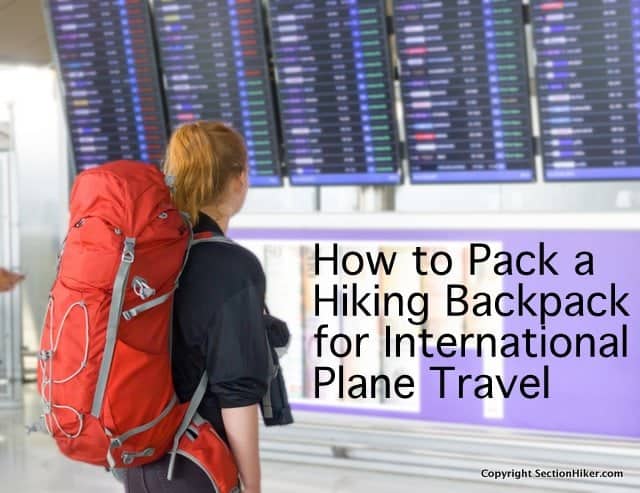
Use a tape measure to check your backpack size. Measure height, width, and depth carefully. Include side pockets and straps in your measurements. Round up numbers to the nearest inch. Compare your backpack size with airline limits. If it is too big, consider a smaller backpack. Adjust your packing to fit the allowed size. This helps avoid hassle during boarding.
Credit: sectionhiker.com
Best Backpack Features
Choosing the right backpack for carry-on travel is key to a smooth trip. The best backpacks combine smart design with comfort. They help you stay organized and make travel easy. Here are the top features to consider for a backpack that fits carry-on rules.
Lightweight Materials
Lightweight backpacks reduce the load on your shoulders. Materials like nylon or polyester keep the bag light but strong. A lighter pack means you can carry more without feeling tired. It also fits airline weight limits better.
Multiple Compartments
Compartments keep your items neat and easy to find. Separate pockets for electronics, clothes, and documents save time. A front pocket allows quick access to essentials. Organized space prevents mess during your journey.
Comfort And Support
Padded shoulder straps and back panels improve comfort. Good support stops strain on your back and shoulders. Adjustable straps let you fit the backpack to your body. A chest or waist strap adds stability on the move.
Packing Smart For Carry-on
Packing smart for carry-on travel helps you avoid extra fees and save time. A backpack designed for carry-on must fit size limits and hold all essentials. Planning carefully makes your trip smooth and stress-free.
Choosing what to pack and how to pack it matters most. Use space wisely and keep important items easy to reach. A well-packed backpack keeps you ready for any situation during travel.
Essential Items Only
Focus on items you need daily. Skip bulky clothes and extras that add weight. Pack versatile clothes you can mix and match. Carry travel-size toiletries to save space. Prioritize gadgets and chargers you use often.
Compression Techniques
Use compression bags to reduce bulky clothing size. Roll clothes tightly to avoid wrinkles and save room. Stuff socks and small items inside shoes or corners. Compression helps fit more without making the bag heavy or misshapen.
Organizing Gear
Use packing cubes to separate clothes and gear. Keep electronics and important documents in easy-to-reach pockets. Place heavy items near your back for better balance. Organized gear speeds up security checks and packing time.
Popular Carry-on Backpacks
Choosing the right backpack for carry-on travel matters a lot. It must fit in overhead bins and hold your essentials. Many brands offer backpacks made for easy carry-on use. These bags balance size, comfort, and storage well.
Backpack styles differ by features and price. Some focus on durability, while others offer smart compartments. Many travelers prefer backpacks that are light but strong. Knowing popular options helps pick the best carry-on backpack.
Top Brands
Several brands stand out for carry-on backpacks. Osprey offers comfortable, well-made packs. Nomatic designs sleek backpacks with many pockets. Samsonite has durable options ideal for business trips. Each brand has models that fit airline carry-on rules.
These brands often use water-resistant materials. They include padded laptop compartments for protection. Their backpacks have adjustable straps for comfort. Quality craftsmanship ensures long-lasting use during travel.
Budget-friendly Options
Affordable carry-on backpacks exist without losing quality. AmazonBasics offers simple, reliable backpacks at low prices. Matein backpacks provide tech-friendly features on a budget. High Sierra has sturdy bags that fit carry-on limits.
Budget backpacks focus on essential features only. They often have fewer compartments but enough space. These options suit travelers who want value and practicality. Choosing the right budget pack saves money and hassle.
Durability And Warranty
Durability is key for carry-on backpacks. Look for strong zippers and tough fabric. Nylon and polyester are common materials that resist tears. Reinforced stitching helps backpacks handle heavy loads.
Many brands offer warranties covering defects. This protects your investment if the backpack breaks early. A good warranty shows confidence in product quality. Durable backpacks last through many trips and rough handling.
Tips For Smooth Airport Experience
Traveling with a backpack as a carry-on can be easy. Knowing airport rules helps avoid stress. Following some simple tips makes your airport journey smooth. This section covers key points for a calm and quick experience.
Security Check Guidelines
Keep your backpack light and organized. Place liquids in a clear, small bag. Remove laptops and electronics for separate screening. Wear shoes that are easy to take off. Follow instructions from security staff carefully. This speeds up the security process for everyone.
Gate Checking Backpacks
Some airlines ask passengers to gate check large backpacks. Know your airline’s policy before you pack. Use a clean, strong bag cover to protect your backpack. Label your backpack clearly with your name and contact. Pick up your backpack quickly at the gate after landing.
Handling Overweight Carry-ons
Check your airline’s weight limit for carry-ons. Use a small scale to weigh your backpack at home. Shift heavy items to your checked luggage if needed. Pack only essentials to avoid extra fees. Carrying a lightweight backpack saves time and money.

Credit: www.youtube.com
Frequently Asked Questions
Can A Backpacking Backpack Be Used As A Carry-on?
Yes, many backpacking backpacks meet carry-on size limits. Check airline size rules to ensure your backpack fits overhead bins. Choose backpacks with compact dimensions to avoid gate checking or extra fees.
What Size Backpack Is Allowed As Carry-on Luggage?
Most airlines allow carry-on bags around 22 x 14 x 9 inches. Backpacking backpacks within these dimensions usually qualify as carry-on. Always verify your airline’s specific size limits before travel.
Are Backpacking Backpacks Tsa-friendly For Carry-on?
Backpacking backpacks with multiple compartments and lockable zippers are TSA-friendly. They allow easy security checks and keep items organized. Opt for backpacks with padded laptop sleeves for extra convenience.
How To Pack A Backpacking Backpack For Carry-on?
Pack light and use compression bags to save space. Distribute weight evenly for comfort and quick access to essentials. Keep liquids in a clear, quart-sized bag to comply with TSA rules.
Conclusion
Choosing the right backpack for carry-on travel matters a lot. Size and airline rules decide if your backpack fits. A good backpack saves time at the airport. It keeps your things safe and easy to reach. Always check the airline’s size limits before packing.
This helps avoid extra fees or delays. Pack smart and travel light for a smooth trip. Your backpack can be both handy and carry-on friendly. Safe travels start with the right bag choice.