Are you looking for a way to burn fat that feels less like a chore and more like an adventure? Hiking might be the answer you’ve been searching for.
Imagine getting outside, enjoying fresh air and beautiful views, all while melting away those stubborn pounds. But does hiking really burn fat effectively? You’ll discover how hiking impacts your body, why it could be a game-changer for your fitness, and simple tips to maximize your results.
Keep reading to find out if hiking is the fat-burning workout that fits perfectly into your lifestyle.
Credit: www.ebylife.com
How Hiking Burns Fat
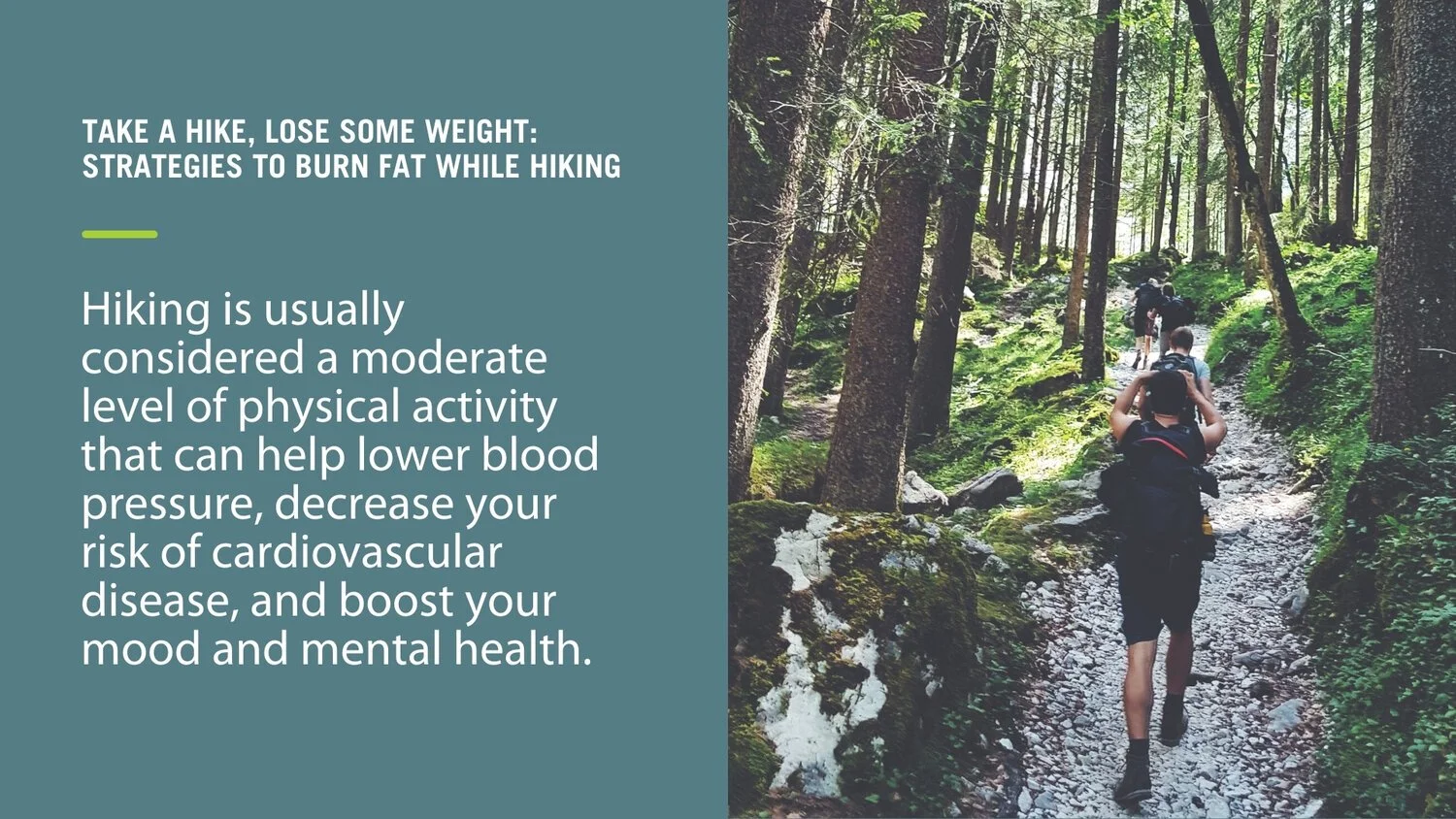
Hiking is more than just a great way to enjoy nature—it’s a powerful fat-burning activity. Understanding how hiking helps burn fat can motivate you to hit the trails more often. Let’s break down the key factors that make hiking effective for fat loss.
Calorie Burn During Hiking
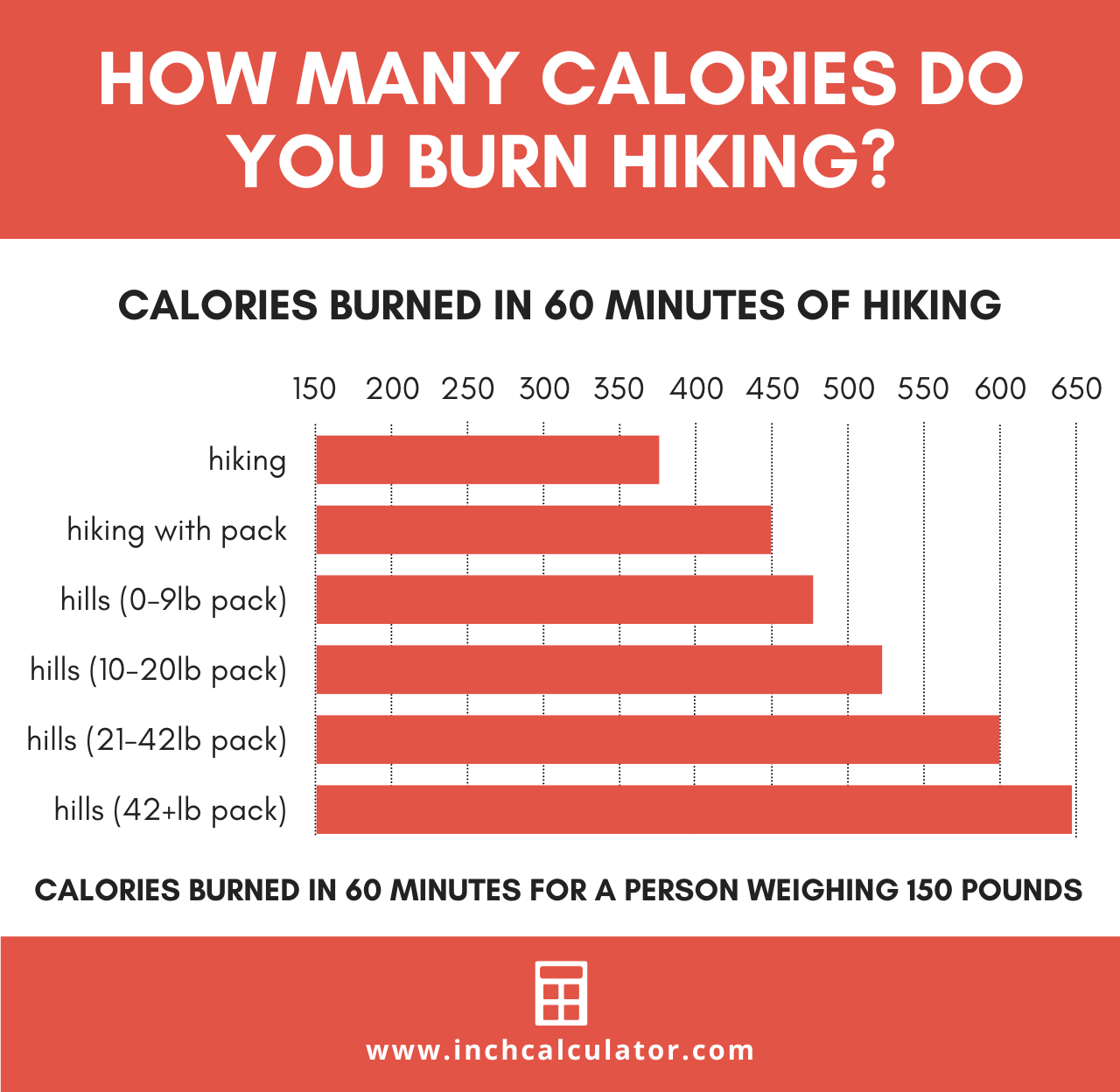
Hiking burns calories by making your body work harder than usual. The exact number depends on your weight, speed, and effort. On average, you can burn between 400 to 700 calories per hour.
Walking on flat ground might burn fewer calories, but adding even small inclines or carrying a backpack increases the effort—and the calorie burn. Think about your last hike: did you feel more tired going uphill? That’s your body using more energy, which helps burn fat.
Impact Of Terrain And Intensity
The terrain you hike on greatly influences fat burning. Rocky, uneven paths force your muscles to work harder to keep balance. Steeper trails challenge your heart and lungs more, pushing your body to burn more fat.
If you’ve ever compared a flat trail to a mountain path, you know the difference in effort. Adding intensity, like faster pace or intermittent sprints, can also boost fat loss. So, ask yourself: what kind of trail will push your limits today?
Role Of Duration In Fat Loss
How long you hike matters for fat burning too. Longer hikes encourage your body to tap into fat stores after using up immediate energy from carbohydrates. This means steady, extended hikes are great for burning fat.
Even if you start with short hikes, gradually increasing your time on the trail will help your body adapt and burn more fat. Next time you plan your hike, consider spending an extra 15-30 minutes—it could make a big difference.
Credit: www.inchcalculator.com
Best Hiking Practices For Fat Loss
Hiking is a great way to burn fat and improve health. The key lies in following the right practices. These can make your hikes more effective for fat loss. Simple changes can boost your calorie burn and help you reach your goals faster.
Choosing The Right Trail
Select trails with varied terrain. Hills and uneven paths increase effort and burn more calories. Steeper trails challenge your muscles and heart. Trails with natural obstacles add resistance. Choose trails that match your fitness level but push you slightly.
Pace And Interval Hiking
Vary your pace during the hike. Walk fast for a few minutes, then slow down to recover. This interval style raises your heart rate and burns fat efficiently. Keep your fast pace steady and controlled. Rest periods allow longer hikes without exhaustion.
Incorporating Strength Movements
Add simple strength moves on the trail. Stop to do squats, lunges, or push-ups. These exercises engage muscles and increase calorie burn. Use rocks or benches for support. Strength moves build muscle, which helps burn fat even at rest.
Nutrition Tips To Support Fat Loss
Proper nutrition supports fat loss during hiking. Eating the right foods helps fuel your body and burn fat efficiently. Good nutrition also improves energy and recovery after hikes.
Focus on balanced meals with healthy carbs, proteins, and fats. Drink enough water to stay hydrated. Choose recovery foods that repair muscles and replenish energy.
Pre-hike Meals
Eat a meal with complex carbs and protein about 1-2 hours before hiking. Foods like oatmeal, whole grain bread, or yogurt with fruit work well. Avoid heavy or greasy foods that slow digestion. This meal gives steady energy for your hike.
Hydration Strategies
Drink water before and during your hike to prevent dehydration. Carry a water bottle or hydration pack. Sip small amounts regularly instead of large amounts at once. You can add a pinch of salt or electrolyte drink to replace lost minerals. Staying hydrated helps your body burn fat better.
Post-hike Recovery Foods
Eat a mix of protein and carbs within 30 minutes after hiking. This helps muscles recover and refills energy stores. Good options include a protein shake, nuts with fruit, or a turkey sandwich. Avoid sugary snacks that cause energy crashes. Recovery foods keep your body strong for the next hike.
Gear And Equipment To Boost Performance
Good gear improves hiking performance and helps burn more fat. The right equipment makes hiking easier and safer. It also helps maintain energy levels and supports your body. Choosing suitable gear boosts your confidence on trails. Small upgrades in gear can make a big difference in your hike.
Footwear For Stability And Comfort
Wear shoes made for hiking. They provide strong grip and protect your feet. Good hiking shoes reduce the risk of slipping on rough paths. Choose shoes with good ankle support to prevent injuries. Comfortable shoes reduce foot pain and let you walk longer. Breathable materials keep your feet dry and cool.
Using Hiking Poles
Hiking poles improve balance on uneven ground. They reduce strain on your knees and legs. Poles help maintain a steady pace and increase calorie burn. Use poles to push off and engage your upper body muscles. Lightweight poles are easy to carry and adjust. They add stability during steep climbs and descents.
Wearable Tech For Tracking
Wearable devices track your steps, distance, and heart rate. They help monitor your progress and set goals. Tracking calories burned keeps you motivated to hike longer. GPS watches guide you on new trails safely. Simple devices help beginners stay on track. Data from wearables improves your hiking plans over time.
Common Mistakes That Hinder Fat Loss
Many people hike to burn fat and improve health. Yet, some common mistakes stop fat loss progress. These errors can slow results or make efforts less effective. Knowing these mistakes helps hikers stay on track and reach goals faster.
Overestimating Calorie Burn
People often think hiking burns more calories than it does. This leads to eating more food than needed. The body then stores extra energy as fat. Tracking calories carefully helps avoid this problem. Use a reliable app or device to estimate calorie burn.
Ignoring Rest And Recovery
Rest days are as important as hiking days. Without rest, muscles stay tired and recover slowly. This can cause injuries or fatigue. Rest helps the body repair and build strength. Plan regular breaks to keep hiking safe and effective.
Poor Nutrition Choices
Eating unhealthy foods can block fat loss even with hiking. Sugary snacks and fast food add extra calories. Choose whole foods like fruits, vegetables, and lean proteins. Good nutrition supports energy and helps burn fat better.
Tracking Progress And Staying Motivated
Tracking progress and staying motivated are key to burning fat through hiking. It helps you see how far you have come. It also keeps your spirit high and your goals in sight. Small wins add up. Celebrate them. Keep your eyes on the journey, not just the end result.
Setting Realistic Goals
Set clear and simple goals. Start with easy hikes. Increase distance or time gradually. Avoid setting goals that feel too hard. Realistic goals prevent frustration and injury. They keep you motivated and consistent. Write your goals down and review them often.
Using Apps And Journals
Use hiking apps to track your steps and routes. Many apps show calories burned and elevation. Journals help record how you feel after each hike. Note weather, trail difficulty, and your energy levels. These tools show progress over time. They encourage you to keep moving forward.
Joining Hiking Communities
Join groups with other hikers. Sharing experiences builds motivation. Group hikes make the activity fun. You learn new tips and discover trails. Support from others helps on tough days. Communities offer encouragement and friendly competition. Hiking becomes a social and healthy habit.

Credit: www.youtube.com
Frequently Asked Questions
Does Hiking Effectively Burn Belly Fat?
Yes, hiking burns calories and targets belly fat by increasing heart rate. Regular hikes promote fat loss and improve metabolism.
How Many Calories Does Hiking Burn Per Hour?
Hiking burns approximately 400-700 calories per hour, depending on intensity and body weight. Steeper trails increase calorie burn.
Can Hiking Help With Long-term Fat Loss?
Absolutely, consistent hiking boosts metabolism and builds muscle, aiding sustainable fat loss. It also improves overall fitness and endurance.
Is Uphill Hiking Better For Burning Fat?
Yes, uphill hiking increases intensity and calorie burn. It engages more muscles, leading to greater fat loss compared to flat trails.
Conclusion
Hiking helps burn fat by using many muscles and raising heart rate. It also improves stamina and strength over time. Walking uphill or carrying a backpack burns more calories. Consistent hiking supports weight loss and better health. It’s a fun way to stay active outdoors.
Try different trails to keep your body challenged. Enjoy nature while working toward your fitness goals. Small steps add up to big results. Hiking is simple and effective for fat burning. Give it a try and feel the difference yourself.