Imagine stepping into a world where the air is fresh, the sounds of birds fill your ears, and every step takes you closer to peace. Hiking in the woods offers more than just exercise—it’s a chance to clear your mind, recharge your spirit, and connect with nature like never before.
Whether you’re a beginner or a seasoned hiker, this guide will show you how to make the most of your time among the trees. Ready to discover the secrets that make hiking in the woods so refreshing and rewarding? Let’s dive in.

Credit: www.purplelizard.com
Choosing The Right Trail
Choosing the right trail is key to a great hiking experience. It shapes how much fun and how safe your trip will be. Trails vary a lot. Some are easy and flat, others steep and rocky. Picking a trail that fits your skill and time helps you enjoy the woods fully.
Trail Difficulty Levels
Trails come in easy, moderate, and hard levels. Easy trails are flat and short, good for beginners and families. Moderate trails have some hills and rough patches. Hard trails are steep, long, and need good fitness. Know your limits. Start with easy trails if new to hiking.
Trail Length And Duration
Trail length shows how far you will walk. Duration means how long it takes to finish. Short trails take less than two hours. Medium trails need two to four hours. Long trails can take a full day or more. Pick a trail that fits your time and energy.
Seasonal Considerations
The season affects trail conditions. Spring may bring mud and wet paths. Summer trails are dry but can be hot. Fall offers cool weather and colorful leaves. Winter trails might be icy or snowy. Choose a trail suitable for the season to stay safe and enjoy nature.
Essential Gear For Hiking
Hiking in the woods is a fun way to enjoy nature and stay active. Having the right gear makes the hike safe and comfortable. Essential gear helps you face different weather and trail conditions. It also keeps you prepared for unexpected situations. Here is a look at the key items you need for a good hiking experience.
Footwear And Clothing
Wear sturdy shoes made for hiking. They protect your feet and give good grip on rough paths. Choose boots that fit well and feel comfortable.
Dress in layers. Start with a soft, moisture-wicking base layer. Add a warm middle layer like fleece. Top it with a waterproof jacket to stay dry.
Pick clothes that breathe well and dry fast. Avoid cotton. It stays wet and chills your body.
Backpacks And Navigation Tools
Use a backpack that fits your body and holds your gear. It should have padded straps and enough space.
Carry a map and a compass. They help you find your way if you lose the trail. Learn how to use them before you go.
A GPS device or smartphone app can help, but don’t rely only on electronics. Batteries can die.
Safety And Emergency Supplies
Bring a first aid kit. Include bandages, antiseptic wipes, and any personal medicine.
Carry a whistle to signal for help if needed. It can be heard from far away.
Pack a flashlight or headlamp. Trails can get dark quickly, especially in dense woods.
Take enough water and high-energy snacks. Staying hydrated and fueled keeps you strong on the trail.
Preparing Your Body
Preparing your body for hiking in the woods helps you enjoy the adventure safely. Your muscles, heart, and lungs all need to be ready for the physical work ahead. Good preparation lowers the chance of injury and makes the hike more fun.
Physical Fitness Tips
Start with light exercises like walking or jogging. Increase your pace and distance slowly over weeks. Include strength training for legs and core muscles. Strong muscles support your joints on rough trails. Try exercises like squats and lunges to build power. Aim for at least 30 minutes of activity most days.
Stretching And Warm-up Exercises
Stretching before hiking helps prevent muscle tightness. Focus on your calves, hamstrings, and thighs. Hold each stretch for 15 to 20 seconds. Warm up with gentle movements like leg swings or walking. This increases blood flow and prepares muscles for work. Never skip this step to reduce soreness.
Nutrition And Hydration
Eat a balanced meal before your hike. Include carbs for energy and protein for muscle support. Drink water often to stay hydrated. Carry water with you and sip regularly. Avoid sugary drinks that cause energy crashes. Healthy snacks like nuts or fruit help keep energy steady during the hike.
Navigating The Woods
Navigating the woods is a vital skill for every hiker. It helps you stay safe and enjoy the journey. Knowing how to find your way prevents getting lost. It also builds confidence during your hike. Understanding basic navigation methods lets you focus on nature’s beauty.
Reading Trail Markers
Trail markers show the path to follow. They come in colors, shapes, or symbols on trees or rocks. Learn to recognize them before your hike. Markers guide you through turns and forks. Pay close attention to avoid taking the wrong route. They keep you on the right trail, especially in dense forests.
Using A Compass And Map
A compass and map are classic tools for navigation. The compass points north, helping you orient the map. Match landmarks on the map with what you see around you. This shows your location and direction. Practice using these tools before your trip. They work well where trails are unclear or missing.
Technology Aids
Technology makes navigation easier with GPS devices and smartphone apps. These tools show your exact position on digital maps. Some apps work offline in case of no signal. Carry extra batteries or power banks to stay connected. Technology helps track routes and find nearby points of interest.
Wildlife Encounters
Hiking in the woods brings you close to many wild animals. These moments make your adventure more exciting and memorable. Seeing wildlife in their natural home offers a unique chance to learn about nature.
Common Animals To Expect
Deer often roam quietly through the trees. Birds like woodpeckers and owls add sounds to the forest. Small animals such as squirrels and rabbits are easy to spot. You might see foxes or raccoons, mostly near dusk. Each animal plays a role in the forest’s life.
Safety Around Wildlife
Keep a safe distance from all animals. Do not try to feed or touch them. Stay calm if you meet a large animal like a bear. Back away slowly without making sudden moves. Use noise to alert animals of your presence. Carry bear spray in areas where bears live.
Respecting Nature
Leave no trace of your visit behind. Do not disturb nests or animal homes. Walk on marked trails to protect plants and animals. Avoid loud noises that can scare wildlife. Take photos quietly and enjoy the moment. Respect helps keep the forest wild and beautiful.

Credit: rightasrain.uwmedicine.org
Finding Serenity In Nature
Finding serenity in nature is a special experience. The quiet of the woods calms the mind. The fresh air fills the lungs. Walking slowly, you notice small details. Each step brings peace and a sense of calm. This peacefulness helps you forget daily stress and find balance.
Mindfulness On The Trail
Mindfulness means paying full attention to the moment. On the trail, focus on sounds, smells, and sights. Listen to birds singing and leaves rustling. Feel the ground under your feet. Notice the cool breeze on your skin. This focus helps clear your thoughts and relax your mind.
Photography And Journaling
Photography captures nature’s beauty. Taking photos helps you see small wonders. Write about your hike in a journal. Describe the colors, sounds, and feelings. Journaling deepens your connection to the woods. Both activities create lasting memories of your peace.
Meditation Spots
Find quiet places to sit and breathe deeply. Look for a soft patch of grass or a fallen log. Close your eyes and listen to nature’s rhythm. Breathe slowly and feel calm spreading through your body. These spots are perfect for meditation and restoring your energy.
Camping And Overnight Tips
Camping overnight in the woods adds a special thrill to hiking. It lets you enjoy nature fully and rest under the stars. Good preparation helps make your night safe and fun. Follow these tips to camp well and enjoy your outdoor stay.
Choosing A Campsite
Pick a flat spot to set your tent. Avoid low areas that can collect water. Check for nearby water sources but camp at least 200 feet away. Look for natural windbreaks like trees or bushes. Keep away from dead trees or branches that might fall.
Setting Up Camp
Clear the ground of rocks and sticks before pitching your tent. Use a ground cloth to protect your tent floor. Make sure your tent door faces away from the wind. Set up your sleeping area with a warm sleeping bag and pad. Keep your gear organized and inside the tent to stay dry and safe.
Campfire Safety
Build your fire in a safe, clear spot. Use an existing fire ring if possible. Keep your fire small and manageable. Never leave the fire unattended. Have water or dirt ready to put out the fire quickly. Make sure the fire is fully out before you sleep or leave the site.
Leave No Trace Principles
The Leave No Trace Principles guide hikers to protect nature. They teach how to enjoy the woods without harming the environment. Following these rules helps keep forests clean and safe for wildlife and future visitors. Respect for nature is key.
Minimizing Impact
Stay on marked trails to avoid damaging plants and soil. Walk in small groups to reduce wear on paths. Avoid making new trails or shortcuts. Camp at established sites to protect the ground. Keep noise low to not disturb animals.
Waste Management
Pack out all trash, including food scraps and wrappers. Use restroom facilities when available or dig a small hole for human waste. Carry a small bag for used toilet paper. Do not burn trash or bury it. Leave the area cleaner than you found it.
Protecting Flora And Fauna
Do not pick plants or take natural objects. Observe animals from a distance without feeding them. Store food securely to avoid attracting wildlife. Avoid disturbing nests or dens. Respect the home of every creature you meet on the trail.
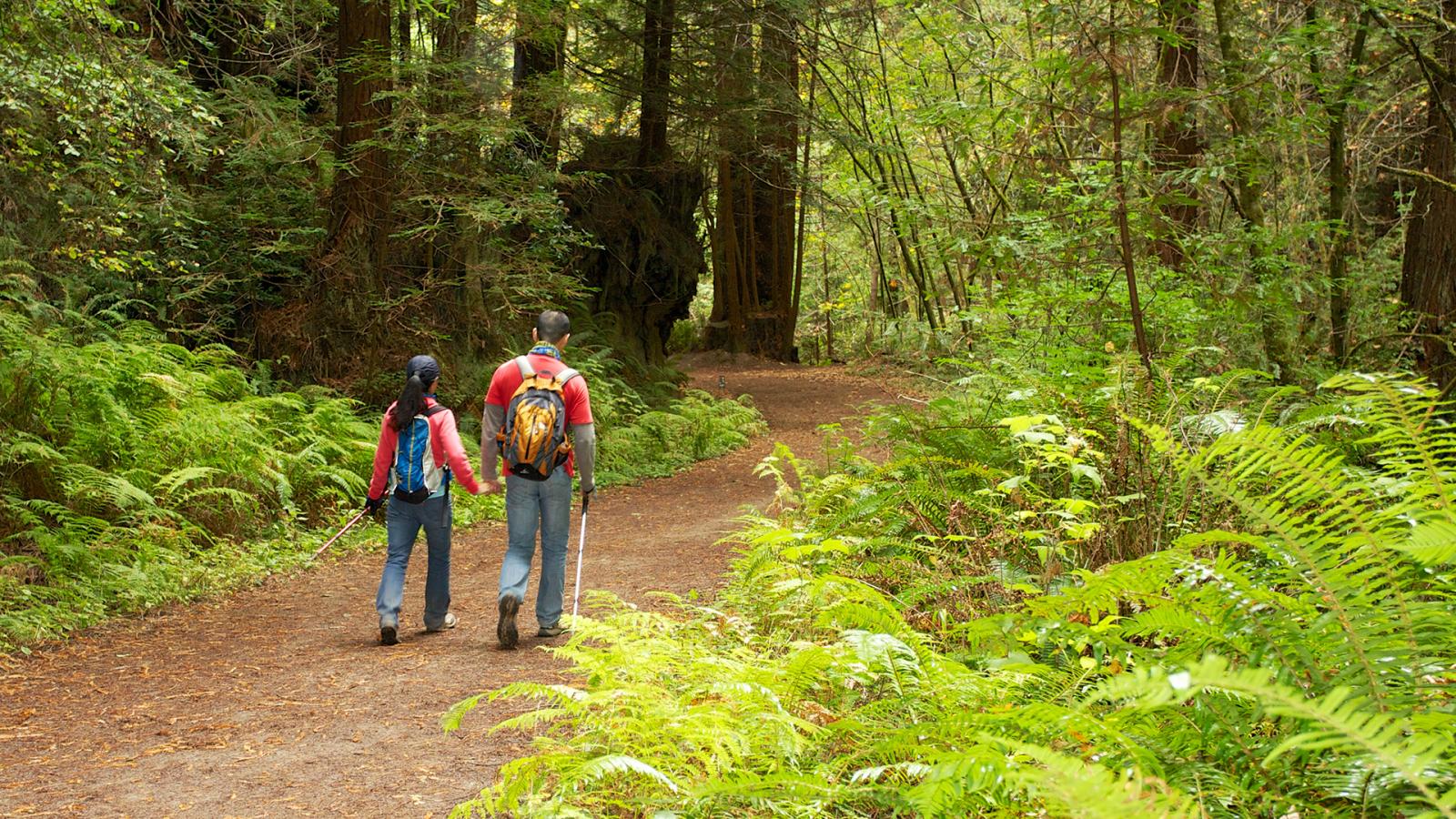
Credit: www.openspace.org
Frequently Asked Questions
What Are Essential Items For Hiking In The Woods?
Essential items include a map, water, snacks, proper footwear, and a first aid kit. Dressing in layers helps adjust to weather changes. Also, carry a flashlight and insect repellent for safety and comfort.
How To Stay Safe While Hiking In The Woods?
Stay on marked trails and inform someone about your route. Carry a fully charged phone and a whistle. Watch out for wildlife and avoid hiking alone in remote areas.
What Is The Best Time For Hiking In The Woods?
Early morning or late afternoon offers cooler temperatures and better wildlife viewing. Avoid hiking during peak midday heat or bad weather for safety and comfort.
How To Prepare Physically For Hiking In The Woods?
Start with regular walking or jogging to build stamina. Include strength exercises for legs and core. Gradually increase hike duration to adapt to uneven terrain.
Conclusion
Hiking in the woods brings peace and fresh air to your life. Trails invite you to explore nature step by step. Birds sing, leaves rustle, and the world feels calm. Walking among trees helps clear your mind and lift your mood.
Take time to enjoy each moment outside. Nature’s beauty is simple but powerful. Your next adventure is just a trail away. Keep your boots ready and heart open. The woods are waiting.