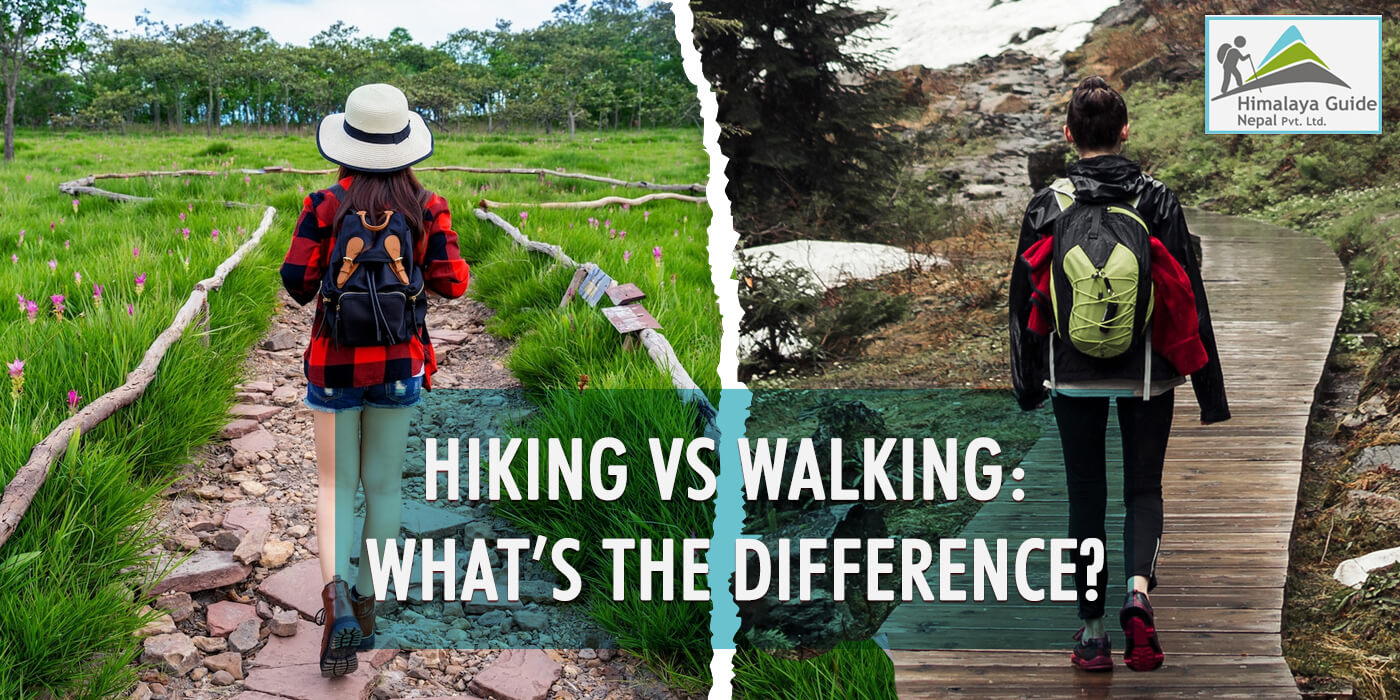
Are you wondering whether hiking or walking is better for your health and happiness? Both activities get you moving, but they offer very different experiences.
Choosing the right one can make a big difference in how much you enjoy your time outside and how your body feels afterward. You’ll discover the key differences between hiking and walking, so you can find the perfect fit for your lifestyle and goals.
Keep reading to uncover which activity will boost your energy, clear your mind, and keep you coming back for more.
Credit: manasluguide.com
Benefits Of Hiking
Hiking offers many benefits beyond just exercise. It improves your body and mind. Spending time outdoors helps you feel alive and refreshed. Hiking challenges your muscles and your spirit. It is a great way to stay healthy and happy.
Physical Health Gains
Hiking strengthens your heart and lungs. Walking on uneven ground works your muscles more than flat surfaces. It helps improve balance and coordination. Hiking burns calories and supports weight loss. It also lowers blood pressure and reduces risk of diseases.
Mental Wellness Boost
Hiking reduces stress and clears your mind. Nature sounds and fresh air calm your thoughts. Walking in green spaces can improve mood and reduce anxiety. It helps fight depression and boosts self-esteem. Time on the trail can make you feel peaceful and strong.
Connection With Nature
Hiking brings you closer to the natural world. You see plants, animals, and beautiful landscapes. It helps you appreciate the environment and respect it more. Being outside encourages mindfulness and presence. Nature’s beauty can inspire and comfort your soul.
Benefits Of Walking
Walking is a simple activity that offers many health benefits. It helps improve body function and mood. Walking does not require special skills or gear. People of all ages can enjoy walking every day.
This activity supports physical and mental health. It boosts energy and helps maintain a healthy weight. Walking regularly can lead to a happier, healthier life.
Cardiovascular Improvement
Walking strengthens the heart and lungs. It helps lower blood pressure and bad cholesterol. Regular walking reduces the risk of heart diseases. It improves circulation and helps the body use oxygen better.
Accessibility And Convenience
Walking needs no special place or equipment. It can be done indoors or outdoors. People can walk in parks, streets, or at home. It fits easily into daily routines and schedules.
Stress Reduction
Walking helps clear the mind and relax the body. It reduces feelings of anxiety and sadness. Moving outdoors adds fresh air and sunlight benefits. Walking creates a peaceful time to think or be quiet.
Calories Burned Comparison
Calories burned is a key factor when choosing between hiking and walking. Both activities help burn calories but do so differently. Understanding the calorie burn helps you pick the best exercise for your goals.
Calories burned depend on many things. Speed, terrain, and body weight all play a role. Hiking usually burns more calories because of rough paths and elevation changes.
Calories Burned During Walking
Walking is a steady, low-impact exercise. On flat ground, a person burns about 200 to 300 calories per hour. The pace matters. Faster walking burns more calories. Walking on smooth surfaces uses less energy than hiking.
Calories Burned During Hiking
Hiking involves uneven ground and uphill climbs. This boosts calorie burn to around 400 to 600 calories per hour. Carrying a backpack adds extra effort. Hiking is a full-body workout that demands more energy than walking.
Factors Affecting Calorie Burn
Weight affects how many calories you burn. Heavier people burn more calories doing the same activity. Intensity also matters. Walking fast or hiking steep trails increase calorie burn. The terrain type changes the effort needed. Rocky or hilly paths require more energy than flat roads.

Credit: www.intrepidtravel.com
Impact On Joints
Physical activities affect joints differently. The impact depends on the type of movement and terrain. Hiking and walking both help keep joints healthy. But their effects vary due to intensity and surface.
Hiking Effects
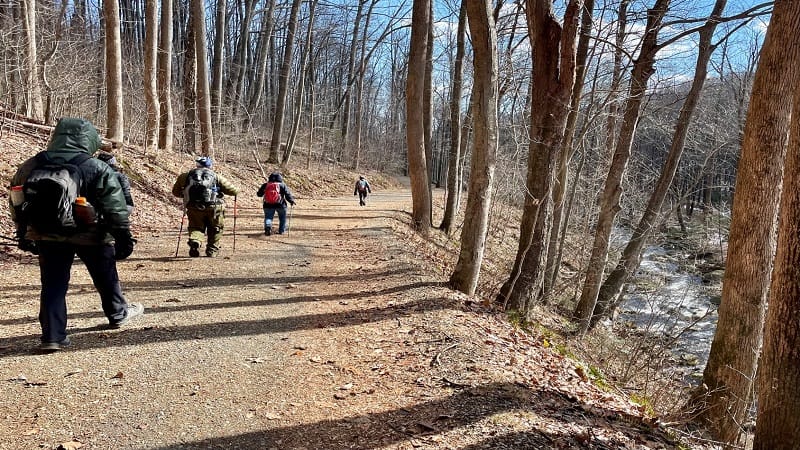
Hiking often happens on uneven ground. This challenges joints more than walking on flat paths. It strengthens muscles around knees and ankles. Strong muscles support joints better. Hiking can improve joint flexibility and balance. But rough trails may cause stress on joints. Proper shoes reduce this risk. People with joint issues should hike carefully.
Walking Effects
Walking usually happens on smooth surfaces. It is gentle on joints and easy to control. Walking helps maintain joint health by moving them regularly. It reduces stiffness and improves blood flow. Walking lowers the chance of joint pain. It is safe for most people, including those with arthritis. Consistent walking supports joint strength without overloading them.
Equipment And Gear Needs
Hiking and walking both need some gear. The type of gear depends on the activity’s challenge and length. Hiking often takes place on rough paths, needing special equipment. Walking usually happens on flat, smooth surfaces with fewer gear needs.
Essentials For Hiking
Good hiking shoes protect your feet and offer grip. A backpack carries water, snacks, and extra clothes. Weather can change fast, so pack a rain jacket. A map or GPS device helps with navigation. Trekking poles reduce knee stress and improve balance. Sunscreen and a hat protect against sunburn. A first aid kit is useful for small injuries.
Essentials For Walking
Comfortable shoes suit walking on pavement or trails. Water keeps you hydrated during the walk. Light clothing matches the weather. A small bag can hold keys, phone, and snacks. Sunglasses protect your eyes from bright sunlight. A watch or phone can track time and distance.
Suitability For Different Fitness Levels
Hiking and walking suit different fitness levels. Each offers unique benefits and challenges. Choosing the right activity helps you stay active and enjoy nature. Both can improve health, but it depends on your current fitness.
Beginners
Walking is perfect for beginners. It requires less effort and is easy to start. You can walk in parks, streets, or trails. It helps build stamina without much strain. Hiking might be tough at first due to rough paths and hills. Start with flat, short trails if you want to try hiking.
Intermediate
Intermediate fitness levels can handle longer walks and mild hikes. Walking can include brisk pace or gentle hills. Hiking offers a chance to explore nature and increase endurance. Trails with moderate elevation and uneven terrain suit this group. Both walking and hiking help improve heart health and muscle strength.
Advanced
Advanced individuals enjoy challenging hikes and fast-paced walking. Steep trails, rocky paths, and long distances are common. Hiking pushes endurance, balance, and strength to higher levels. Walking at a fast pace or on rugged terrain also builds stamina. This level requires good preparation and proper gear for safety.
Time Commitment And Flexibility
Time is a key factor when choosing between hiking and walking. Both activities offer health benefits. Yet, they differ in how much time they require and how flexible they are. Understanding these differences helps pick the best option for your schedule and lifestyle.
Time Needed For Hiking
Hiking usually takes more time than walking. Trails can be long and rough. Hikers often spend hours outdoors. Planning for weather, rest, and snacks adds to the time. Hiking trips often need a full day or at least half a day.
Time Needed For Walking
Walking fits well into short breaks or daily routines. It can last from a few minutes to an hour. People walk around their neighborhood, at parks, or indoors. Walking does not need much planning or special gear. It is easy to fit into busy days.
Flexibility Of Hiking
Hiking is less flexible because it needs specific locations. Trails may be far from home. Weather conditions can affect plans. Hikers must prepare gear and supplies. Changes in schedule can be harder to manage with hiking.
Flexibility Of Walking
Walking offers great flexibility. It can be done almost anywhere and anytime. No special gear or location is needed. Walks can be short or long, fast or slow. It suits changing schedules and spontaneous moments.
Choosing Based On Goals
Choosing between hiking and walking depends on what you want to achieve. Both activities offer health benefits, but each suits different goals. Understanding your priorities helps pick the best option for your needs.
Weight Loss
Hiking burns more calories due to rough terrain and elevation changes. It challenges muscles more than walking on flat ground. Walking is easier and good for steady fat burning. Choose hiking for faster calorie burn. Walking suits gentle, consistent weight loss efforts.
Endurance Building
Hiking improves stamina by pushing your body on varied paths. It builds strength in legs and core muscles. Walking boosts endurance too but at a lower intensity. For stronger endurance, hiking is the better choice. Walking supports gradual endurance growth with less strain.
Mental Clarity
Hiking in nature offers deep mental relaxation and stress relief. The changing scenery can clear your mind and boost mood. Walking also helps focus and reduces anxiety, especially in calm environments. Both activities improve mental health. Hiking gives a stronger escape from daily stress.
Safety Tips For Both Activities
Safety matters in both hiking and walking. Being prepared protects your health and makes the experience enjoyable. Simple rules keep dangers away. These tips fit every skill level and place.
Follow them to stay safe on any trail or path. Stay alert and respect nature’s power.
Plan Your Route Carefully
Choose a route that matches your fitness and skill. Check the weather forecast before you start. Tell someone your plan and expected return time. Carry a map or use a GPS device. Avoid unknown trails without guidance.
Wear Proper Clothing And Footwear
Dress in layers to adjust to changing temperatures. Wear shoes with good grip and support. Protect yourself from sun with a hat and sunscreen. Bring rain gear for sudden weather changes. Avoid cotton; it stays wet and chills you.
Stay Hydrated And Bring Snacks
Carry enough water to avoid dehydration. Drink small amounts often, not all at once. Pack light, high-energy snacks for fuel. Avoid heavy meals that slow you down. Know your body’s needs and eat accordingly.
Be Aware Of Your Surroundings
Watch for uneven ground and obstacles. Listen for wildlife and other people. Keep to marked trails to avoid getting lost. Respect plants and animals; do not disturb them. Stay alert to weather changes and leave if needed.
Carry Essential Safety Gear
Bring a first-aid kit with basic supplies. Carry a whistle to signal for help. Have a flashlight or headlamp in case it gets dark. Pack a small knife or multitool for emergencies. Keep your phone charged for communication.
Credit: gohikevirginia.com
Frequently Asked Questions
What Are The Main Differences Between Hiking And Walking?
Hiking involves uneven terrain and nature trails, while walking usually occurs on flat, paved surfaces. Hiking requires more gear and physical effort. Walking is easier and more accessible for daily exercise. Both improve cardiovascular health but offer different intensity levels and experiences.
Is Hiking Better For Fitness Than Walking?
Hiking generally burns more calories due to varied terrain and elevation. It strengthens muscles, especially legs and core, more than walking. Walking is lower impact and good for beginners or those with joint issues. Both activities support heart health and mental well-being effectively.
What Equipment Is Needed For Hiking Vs Walking?
Hiking requires sturdy boots, backpacks, water, and weather-appropriate clothing. Walking needs comfortable shoes and light clothing. Hiking gear protects against rough trails, while walking gear focuses on comfort. Proper equipment enhances safety and enjoyment in both activities.
Can Walking Provide Similar Health Benefits As Hiking?
Yes, walking offers many health benefits like improved circulation, weight management, and stress reduction. While less intense than hiking, regular walking boosts endurance and muscle tone. Consistency matters more than intensity for long-term health improvements in both activities.
Conclusion
Hiking and walking both offer great ways to stay active and enjoy nature. Hiking challenges your body more with uneven paths and hills. Walking is easier and fits well into daily routines. Choose the activity that suits your fitness and time.
Both help improve health and boost mood. Try both to see what feels best for you. Enjoy the fresh air and keep moving. Simple steps lead to big benefits.