If you love hiking but struggle with lower back pain, you’re not alone. That nagging ache can make the idea of hitting the trail feel overwhelming or even impossible.
But what if you could enjoy the fresh air, the stunning views, and the sense of adventure without making your back worse? This article is here to help you do just that. You’ll discover practical tips and smart strategies to keep your lower back safe while still getting the most out of your hikes.
Ready to take the first step toward pain-free hiking? Let’s dive in.
Causes Of Lower Back Pain In Hiking
Hiking is a great way to enjoy nature and stay healthy. But it can cause lower back pain for some people. Knowing what causes this pain helps you avoid it. Many factors on the trail affect your back health. Understanding these causes is key to a better hiking experience.
Common Triggers On The Trail
Carrying a heavy backpack strains your lower back. Uneven trails force your body to twist and bend unnaturally. Walking long distances without breaks tires your muscles. Sudden movements or slips can lead to sharp pain. These triggers put extra pressure on your spine and muscles.
Impact Of Poor Posture
Slouching or leaning forward while hiking harms your back. Poor posture shifts weight unevenly across your spine. This causes muscle tension and joint stress. Standing tall and keeping your back straight reduces pain. Good posture helps maintain natural spine curves and balance.
Role Of Weak Core Muscles
Your core muscles support your lower back during movement. Weak core muscles fail to stabilize your spine properly. This leads to overuse of back muscles and discomfort. Strengthening your core improves balance and reduces pain risk. Strong core muscles protect your back on tough trails.
Preparing Your Body For Hiking
Preparing your body for hiking is important, especially with lower back pain. Your muscles and joints need to be ready for the physical activity. Careful preparation helps reduce pain and avoid injury. Focus on gentle exercises and the right gear.
Stretching And Warm-up Exercises
Start with light stretching to loosen your muscles. Stretch your lower back, hamstrings, and hips gently. Warm-up exercises increase blood flow and reduce stiffness. Try walking slowly or doing gentle knee lifts. Spend at least 5 to 10 minutes warming up before hiking.
Strengthening Core And Back Muscles
Strong core muscles support your lower back during hikes. Include simple exercises like planks and bridges. Strengthen your back with gentle rows or bird-dog exercises. A stronger core reduces pressure on your spine. Practice these exercises regularly, three times a week if possible.
Choosing Suitable Footwear
Wear hiking boots or shoes with good arch support. Proper footwear cushions your feet and reduces back stress. Choose shoes with firm soles and ankle support. Test shoes for comfort before hiking long trails. Well-fitted footwear helps maintain balance and lowers pain risk.
Packing Smart For Comfort
Packing smart helps make hiking with lower back pain easier. The right packing choices reduce strain and increase comfort. It prevents extra pressure on your back. Smart packing means less weight and better support. Focus on what you really need. Plan carefully to protect your back during the hike.
Selecting The Right Backpack
Choose a backpack with good back support. Look for padded shoulder straps and a waist belt. These help spread the weight evenly. A backpack with a frame can give extra stability. Pick one that fits your body size well. A well-fitted backpack reduces pressure on your lower back.
Packing Light And Balanced
Carry only essential items to keep your pack light. Heavy loads increase back pain risk. Place heavier items close to your back. This helps balance the load and keeps you stable. Avoid packing items unevenly on one side. Balanced packing reduces twisting and strain on your spine.
Using Supportive Gear
Use a lumbar support belt if needed. It adds extra support to your lower back. Consider trekking poles to reduce impact on joints and back. Wear cushioned and supportive hiking boots. Good footwear helps maintain proper posture. Supportive gear helps keep your back comfortable on the trail.

Credit: www.youtube.com
Hiking Techniques To Reduce Pain
Hiking can be tough on the lower back. Using the right techniques helps reduce pain and makes hiking more enjoyable. Simple changes in posture, pace, and gear use can protect your back. Here are some key techniques to try on your next hike.
Maintaining Proper Posture
Stand tall with your shoulders back and relaxed. Keep your head aligned with your spine. Avoid leaning forward or slouching. This reduces strain on your lower back. Use your core muscles to support your spine. Take breaks to stretch and reset your posture.
Pacing Yourself On Trails
Start slow and find a steady rhythm. Avoid rushing or taking long strides. Short, even steps reduce pressure on your back. Take regular breaks to rest and hydrate. Listen to your body and slow down if you feel pain. This helps prevent flare-ups and keeps you moving.
Using Trekking Poles Effectively
Hold poles with a relaxed grip. Use them to share your weight evenly. Plant poles gently to avoid jerking motions. Adjust pole length for uphill and downhill sections. Poles take pressure off your lower back and legs. They also improve balance on uneven ground.
Managing Pain During Hikes
Managing pain during hikes is important for anyone with lower back issues. Proper care helps keep the pain from getting worse. It also makes hiking more enjoyable. Knowing how to handle pain can keep you on the trail longer and safer.
Taking Rest Breaks
Rest breaks give your back a chance to relax. Stop walking every 30 to 45 minutes. Find a comfortable spot to sit or lie down. Use this time to stretch gently. Avoid sitting in one position for too long. Short breaks help reduce muscle tension and stiffness.
Applying Ice Or Heat
Ice helps reduce swelling and numb pain. Use ice packs for 15 minutes after hiking. Wrap the ice in a cloth to protect your skin. Heat relaxes tight muscles and improves blood flow. Use a warm pack or a heated towel before hiking or during rest. Choose what feels best for your pain.
Recognizing When To Stop
Listen to your body carefully. Stop hiking if the pain worsens or spreads. Sharp or shooting pain is a warning sign. Rest and seek medical advice if needed. Pushing through severe pain can cause injury. Knowing when to stop prevents long-term damage.

Credit: www.summitstrength.com.au
Post-hike Care Tips
Taking care of your body after hiking is very important, especially with lower back pain. Proper post-hike care helps your muscles heal and reduces pain. It also prepares your body for your next adventure. Focus on gentle activities that soothe your back and avoid strain.
Stretching And Cool-down
Stretching after a hike helps relax tight muscles. Spend 5 to 10 minutes doing simple stretches. Focus on your lower back, hips, and legs. This increases blood flow and reduces stiffness. Cool-down exercises prevent soreness and improve flexibility. Always move slowly and avoid any painful stretches.
Using Pain Relief Methods
Use pain relief methods to ease discomfort after hiking. Apply ice packs to reduce inflammation and swelling. Heat packs can help relax tense muscles later. Over-the-counter pain medications may help if needed. Gentle massage can improve circulation and reduce muscle tightness. Choose methods that feel best for your body.
Planning Recovery Days
Rest days are crucial for healing your lower back. Avoid heavy lifting or intense exercise during recovery. Light walking or gentle yoga can keep your body active without strain. Listen to your body and rest more if pain increases. Proper recovery reduces the risk of injury and improves strength over time.
When To Seek Professional Help
Knowing when to seek professional help is key for hiking with lower back pain. Pain can mean many things. Some pain needs rest and care at home. Other pain signals a serious problem. Acting fast can stop damage. It also helps you heal better. Recognize signs that need expert advice. Do not ignore severe or lasting pain. Your health and safety come first.
Signs Of Serious Injury
Look for sharp or stabbing pain in your back. Pain that spreads down the leg is a warning. Numbness or weakness in your legs needs quick attention. Losing control of bladder or bowels is a medical emergency. Pain that worsens with rest or at night is serious. Sudden injury with swelling or bruising also needs care. These signs show your injury may be more than a simple strain.
Consulting A Physical Therapist
Physical therapists help manage and reduce back pain. They guide you through safe exercises to strengthen your back. Therapists teach proper hiking posture and techniques. They work to improve your flexibility and balance. A therapist can create a plan tailored to your pain level. Regular visits can prevent future injuries. Early consultation often speeds up recovery.
Exploring Treatment Options
Treatment varies based on injury type and pain severity. Rest and gentle stretching might be enough for mild pain. Some cases require medications to reduce inflammation. Physical therapy is a common and effective choice. In rare cases, doctors may suggest injections or surgery. Alternative options include massage and acupuncture. Always choose treatments recommended by your healthcare provider.
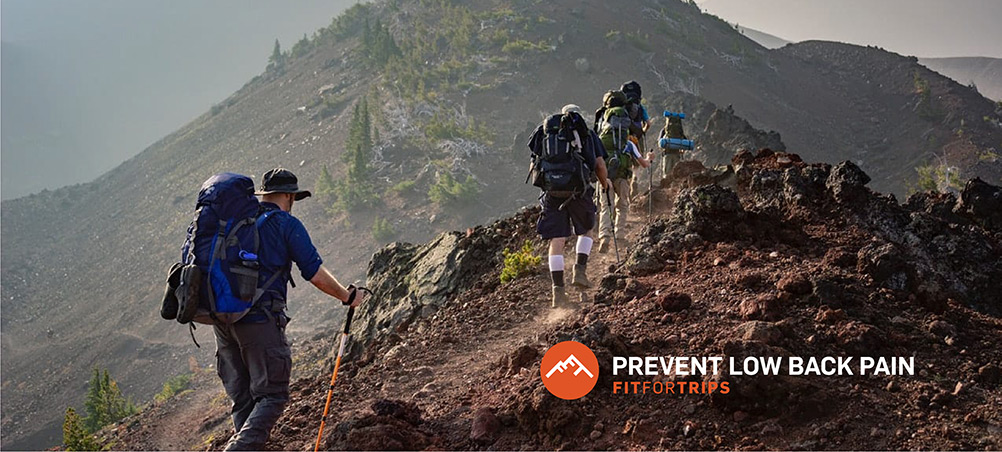
Credit: fitfortrips.com
Frequently Asked Questions
How Can I Hike Safely With Lower Back Pain?
To hike safely with lower back pain, use proper footwear and a supportive backpack. Warm up before hiking and maintain good posture. Take regular breaks and avoid overexertion. Use trekking poles to reduce strain on your back. Consult a doctor if pain worsens.
What Exercises Help Reduce Lower Back Pain For Hikers?
Core strengthening exercises like planks and bridges improve back support. Stretching hamstrings and hip flexors reduces tension. Low-impact activities such as swimming or walking help maintain flexibility. Avoid high-impact workouts that strain the back. Always consult a physical therapist before starting new exercises.
Should I Use A Hiking Backpack With Lower Back Pain?
Yes, choose a lightweight, well-padded backpack with adjustable straps. Distribute weight evenly to avoid extra stress on your lower back. Keep the load under 20% of your body weight. Use a waist belt to transfer weight to hips and reduce back strain.
Can Proper Footwear Reduce Hiking-related Back Pain?
Proper footwear with good arch support and cushioning absorbs shock. It prevents uneven weight distribution and reduces stress on your lower back. Choose hiking boots that fit well and offer ankle support. Replace worn-out shoes to maintain comfort and prevent injury.
Conclusion
Hiking with lower back pain can be possible with the right care. Take breaks often and listen to your body. Use proper gear and stretch before and after walks. Stay on easy trails to avoid extra strain. Keep your pace slow and steady.
Remember, small steps lead to big progress. Enjoy nature without pushing too hard. Your back will thank you for gentle movement. Stay safe and happy hiking!