Are you ready to make your backpacking trip more comfortable and hassle-free? Wearing your backpacking backpack the right way can change everything.
It helps you carry your gear without pain, keeps you balanced, and lets you move freely on any trail. If you’ve ever felt sore shoulders, back aches, or struggled with a heavy pack, this guide is for you. Keep reading to learn simple, practical tips that will make your backpack feel like a natural part of your body—so you can focus on the adventure ahead.
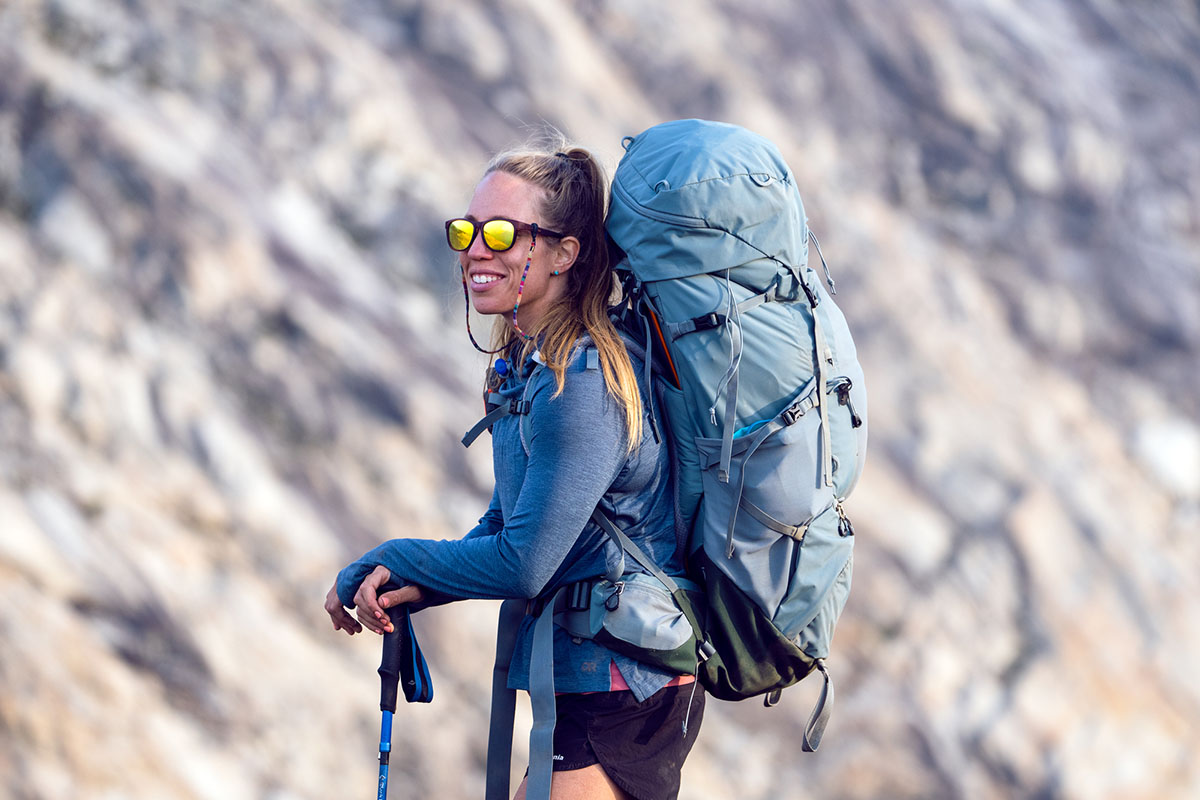
Credit: www.switchbacktravel.com
Choosing The Right Backpack
Choosing the right backpack is very important for a good hiking trip. A backpack that fits well makes your journey easier. It helps you carry your stuff without pain or discomfort. The right size and useful features make a big difference. This guide will help you pick the best backpack for your needs.
Backpack Sizes And Fits
Backpacks come in many sizes. Choose one based on your trip length and body size. Small backpacks hold 20-35 liters. Good for day trips and light packing. Medium backpacks hold 35-50 liters. Best for overnight trips or light camping. Large backpacks hold 50+ liters. Used for long trips or heavy loads.
Fit is as important as size. The backpack should sit close to your back. Look for adjustable straps on shoulders and hips. Hip belts help spread the weight evenly. Try the backpack with some weight before buying. A good fit reduces back strain and improves balance.
Features To Look For
Choose backpacks with padded shoulder straps. Padding adds comfort during long walks. Look for ventilation to keep your back dry. Multiple compartments help organize your gear. Easy access pockets save time. Water-resistant material protects your belongings. Some backpacks have built-in rain covers. These keep you and your gear dry in rain.
Check for strong zippers and durable fabric. These last longer and handle rough use. Compression straps help tighten the load. This keeps your gear stable. Reflective strips increase visibility in low light. These features make your backpack both safe and practical.

Credit: www.youtube.com
Adjusting Shoulder Straps
Adjusting the shoulder straps of your backpack is key to a comfortable hike. Proper adjustment helps reduce strain on your shoulders and back. It also keeps the pack stable while you walk. This section explains how to adjust shoulder straps for the best fit and comfort.
Finding The Perfect Strap Length
Start by loosening the shoulder straps completely. Put the backpack on and let it rest on your hips. Pull the shoulder straps down and forward to tighten them. The straps should fit snugly but not dig into your shoulders. Your backpack should sit close to your back, without gaps.
Check that the top of the pack is just below your neck. Adjust the straps slowly until you find a comfortable length. Avoid straps that are too loose or too tight. The right length helps keep the load balanced and reduces fatigue.
Balancing Weight Evenly
Even weight distribution prevents aches and injuries. Adjust each shoulder strap to carry equal weight on both sides. Stand in front of a mirror or ask someone to check your posture. Make sure the pack sits level across your back.
If one side feels heavier, loosen or tighten that shoulder strap slightly. Balance the load before tightening the straps completely. Proper balance helps you walk longer with less effort. It also keeps the backpack stable on uneven trails.
Securing The Hip Belt
Securing the hip belt is a key step in wearing a backpacking backpack. It helps carry most of the pack’s weight. This reduces strain on your shoulders and back. A well-secured hip belt makes walking easier and more comfortable. It also keeps the backpack stable on your body.
Learn how to position and tighten the hip belt for the best support.
Positioning The Hip Belt Correctly
Place the hip belt so it rests on your hip bones. Not too high on your waist and not too low. The belt should wrap around the widest part of your hips. This allows it to carry the pack’s weight properly. Make sure the padding sits evenly on both sides. Check that the buckle is centered in front of you.
Tightening For Support
Pull the hip belt straps firmly but not too tight. The belt should feel snug and secure. It should not pinch or cause discomfort. Tighten the straps until the backpack feels stable. This helps transfer weight from shoulders to hips. Adjust the belt while standing and walking a few steps. Make small changes for the best fit and comfort.

Credit: www.outsideonline.com
Using The Sternum Strap
The sternum strap is a small but important part of a backpack. It connects the two shoulder straps across your chest. Using it helps keep the shoulder straps in place. This makes carrying heavy loads easier. It also improves balance and reduces strain on your shoulders.
Benefits Of The Sternum Strap
The sternum strap stops shoulder straps from slipping off. It spreads the weight evenly across your chest. This lowers pressure on your shoulders and back. It also helps keep your backpack stable when you walk or climb. This reduces the chance of injury. The strap makes your hike more comfortable and safer.
Adjusting For Comfort
Start by clipping the sternum strap at chest level. Make sure it is not too high or low. Tighten the strap until it feels snug but not tight. You should be able to breathe easily. Adjust the height of the strap to fit your body. Check often during your hike to keep comfort. A well-adjusted sternum strap helps you move freely.
Packing For Balance
Packing for balance is key to a comfortable backpacking trip. A well-packed backpack feels lighter and helps avoid pain. Balance means spreading the weight so the pack sits steady on your back. This makes walking easier and reduces strain on your muscles.
Distributing Weight Strategically
Put heavy items close to your spine and near the middle of your back. This keeps the center of gravity stable. Place medium-weight gear below the heavy items. Light items go at the top and outside pockets. Avoid putting too much weight on one side. This prevents leaning and helps keep your posture straight.
Keeping Essentials Accessible
Store items you need often in easy-to-reach spots. Snacks, maps, and rain gear should be at the top or in side pockets. Avoid digging deep into the pack for things you use frequently. Organizing this way saves time and keeps you moving. Keep small items in front pockets or hip belt pouches for quick access.
Maintaining Good Posture
Maintaining good posture with a backpack is key for comfort and safety. A heavy pack can strain your back and shoulders. Proper posture helps spread weight evenly. It lowers the risk of pain and injury. Follow simple tips to keep your body aligned. Your backpacking trips will feel easier and more enjoyable.
Standing Tall With A Loaded Backpack
Start by tightening the shoulder straps snugly. The pack should sit close to your back. Adjust the hip belt to rest on your hips. This moves weight from shoulders to hips. Keep your chest lifted and shoulders back. Avoid leaning forward or slouching. Stand tall with a straight spine. This stance balances the load well. It reduces pressure on your back muscles.
Walking Techniques To Reduce Strain
Take smooth, even steps while walking. Keep your head up and look ahead. Avoid leaning forward; keep your torso upright. Swing your arms naturally to help balance. Use trekking poles to share the load. Take breaks to stretch and relax muscles. Move at a steady pace, not too fast. These habits ease strain on your body. Walking becomes less tiring and more stable.
Preventing Common Discomforts
Wearing a backpacking backpack can cause discomfort during long hikes. Preventing these common problems makes your trip more enjoyable. Proper fit and adjustment reduce pain and skin irritation. Follow simple tips to avoid chafing, pressure points, and back pain. Stay comfortable and focus on the trail ahead.
Avoiding Chafing And Pressure Points
Chafing happens when skin rubs against the backpack straps or fabric. It causes redness and soreness. Adjust shoulder straps so they fit snug but not tight. Use padded straps to cushion sensitive skin. Check for rough edges or seams and cover them with tape or cloth. Keep your skin dry by wearing moisture-wicking clothes. Stop and fix any hot spots quickly to avoid worse irritation.
Dealing With Back Pain
Back pain often comes from poor backpack fit or heavy loads. Use the hip belt to shift weight from shoulders to hips. Tighten the belt snugly around your hips, not your waist. Adjust shoulder straps so the pack sits close to your back. Avoid leaning forward or arching your back while walking. Pack heavier items closer to your spine. Take breaks and stretch your back muscles during hikes.
Using Accessories For Added Comfort
Using accessories can make carrying a backpacking backpack much easier. These small additions help reduce strain and keep you comfortable on long hikes. They improve how the backpack fits and works with your body.
Choosing the right accessories lets you carry more gear without feeling tired. They also help keep you hydrated and support your back and shoulders. Comfort is key for any backpacking trip.
Padding And Inserts
Adding padding or inserts helps protect your back and shoulders. Soft pads reduce pressure and stop straps from digging into your skin. Many backpacks allow extra padding in the shoulder straps and hip belt.
Foam inserts can also help balance the weight of your load. This keeps your pack stable and prevents it from bouncing. Less movement means less effort and fewer aches.
Hydration Systems Integration
Hydration systems fit inside your backpack and let you drink without stopping. A water bladder connects to a tube that runs to your shoulder strap. You sip water easily while walking.
This setup keeps you hydrated without breaking your pace. Some backpacks have special sleeves and openings for hydration bladders. These features make adding and using hydration systems simple.
Frequently Asked Questions
How Do I Properly Adjust A Backpacking Backpack?
Adjust shoulder straps first, then tighten hip belt for weight distribution. Ensure the pack sits snugly on your hips. Use load lifters to stabilize the load. Proper adjustment reduces strain and improves comfort during long hikes.
What Is The Best Way To Pack A Backpacking Backpack?
Place heavy items close to your back and centered. Pack sleeping gear at the bottom and frequently used items on top. Balance weight evenly to maintain stability. This method enhances comfort and prevents back pain.
How Tight Should Backpack Straps Be Worn?
Straps should be snug but not overly tight to restrict movement. Hip belt must be firmly secured to support most weight. Proper strap tension prevents chafing and improves load balance. Adjust straps as you walk for comfort.
Can I Wear A Backpacking Backpack For Long Hours?
Yes, with correct fitting and weight distribution, you can wear it comfortably. Take breaks to relieve pressure and adjust straps if needed. Wearing padded clothing can also prevent discomfort. Proper care reduces fatigue on extended hikes.
Conclusion
Wearing a backpacking backpack correctly makes your trip easier. Adjust the straps to fit your body well. Keep the weight close to your back for balance. Use the hip belt to carry most of the load. Take breaks to avoid getting too tired.
Practice wearing your pack before long hikes. This helps you find the best fit and comfort. Enjoy your outdoor adventure with less pain and more fun. Small changes in how you wear your pack matter a lot. Stay safe and happy on your journey.