If you’re planning a trekking trip, wearing your backpack the right way can make all the difference. A poorly worn backpack can cause discomfort, slow you down, and even lead to injury.
But when you learn how to wear your trekking backpack correctly, you’ll feel more comfortable, balanced, and ready to take on any trail. In this guide, you’ll discover simple tips and tricks to adjust your backpack for the best fit, so every step you take feels easier and more enjoyable.
Keep reading—you’re about to unlock the secret to a better trekking experience.
Choosing The Right Backpack
Choosing the right trekking backpack is key for a comfortable hike. A good backpack fits well and holds all your gear. It should feel light and stable on your back. Picking the right one saves energy and prevents pain. Focus on size, features, and material to find the best match.
Backpack Sizes And Capacities
Backpacks come in many sizes. Small packs hold 20 to 35 liters. These fit short day trips or light hikes. Medium packs hold 35 to 50 liters. They suit overnight trips with extra gear. Large packs hold 50 liters or more. Use these for long hikes or heavy loads. Choose a size that fits your trip length and gear.
Features To Look For
Look for padded shoulder straps and a hip belt. These help spread weight evenly. Multiple compartments keep gear organized and easy to find. A hydration sleeve allows a water bladder inside. Ventilation on the back panel reduces sweat and heat. Adjustable straps let you fit the backpack snugly. These features increase comfort and convenience on trails.
Materials And Durability
Durable fabric resists tears and water. Nylon and polyester are common and strong materials. Ripstop fabric prevents small rips from spreading. Water-resistant coatings protect your gear in rain. Check the quality of zippers and buckles. Strong hardware lasts longer and withstands rough use. Durable backpacks handle tough trail conditions well.
Credit: thebackpackguide.com
Adjusting Straps For Fit
Adjusting the straps on your trekking backpack is key for comfort and balance. Proper strap setup helps spread the weight evenly. It reduces strain on your back and shoulders. This section explains how to adjust each strap for a perfect fit.
Shoulder Straps Setup
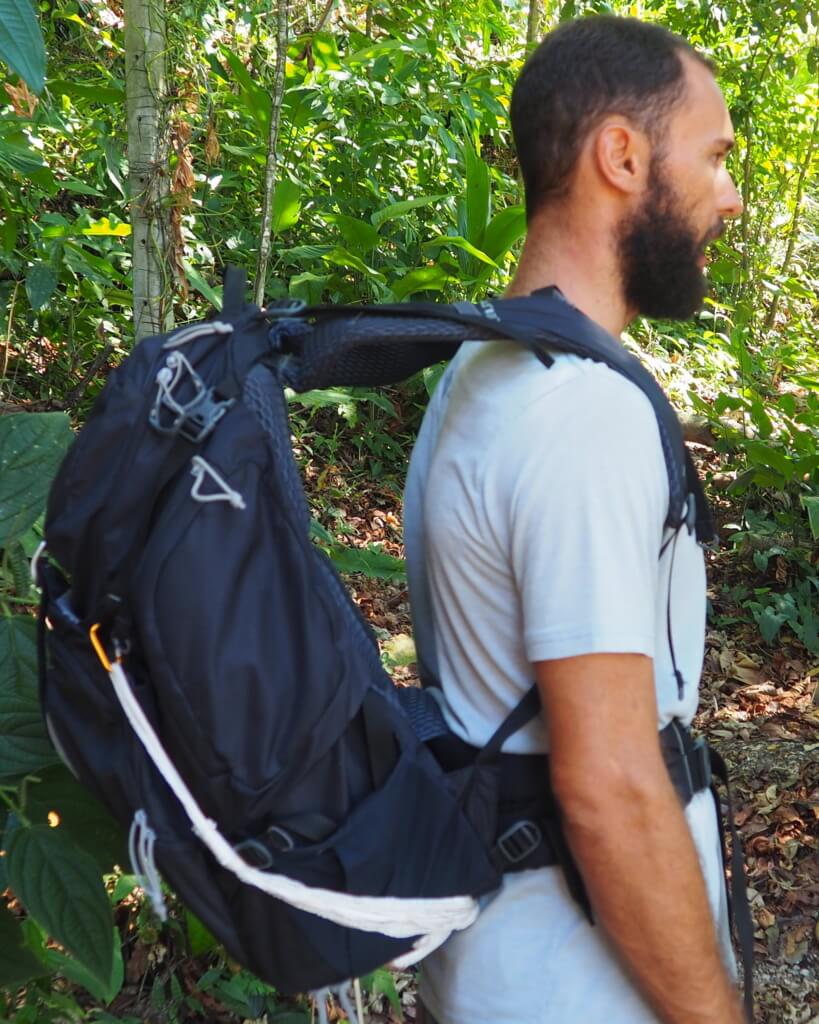
Start with the shoulder straps. Pull them tight so the pack sits close to your back. The straps should feel snug but not tight. Avoid letting the pack hang low or pull away from your body. Check that the padding rests comfortably on your shoulders. Adjust until you feel steady support without pressure.
Hip Belt Positioning
Place the hip belt over your hip bones. This belt takes most of the load off your shoulders. Tighten the belt so it fits firmly but not too tight. The weight should rest on your hips, not your waist. Make sure the belt sits level and does not ride up or down. This helps keep your center of gravity stable.
Load Lifters And Sternum Straps
Load lifters connect your pack to your shoulders at an angle. Tighten them to pull the pack closer to your body. This reduces backward pull and improves balance. The sternum strap goes across your chest. Buckle it and adjust so it feels comfortable. It helps keep the shoulder straps in place and prevents slipping.
Packing For Balance
Packing for balance is key to a comfortable trek. A well-packed backpack feels lighter and keeps you steady on rough paths. Proper balance reduces strain on your back and shoulders. It helps you move easily and prevents injuries.
Weight Distribution Tips
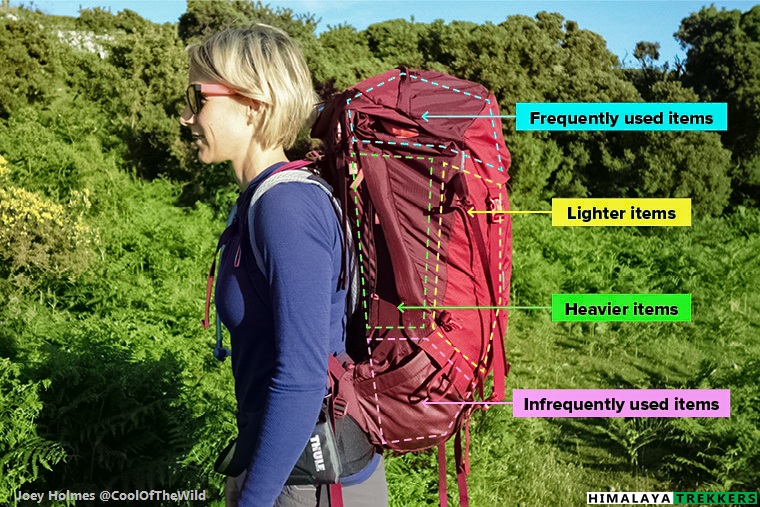
Place heavy items close to your back and near the middle. This keeps the center of gravity stable. Put lighter items at the top and outside pockets. Distribute weight evenly on both sides. Avoid letting one side carry more weight than the other.
Organizing Gear Efficiently
Group similar items together for quick access. Store things you need often near the top. Use compartments to separate wet and dry gear. Pack fragile items in the middle for protection. Keep your sleeping bag at the bottom.
Avoiding Overpacking
Only bring essentials for your trek. Check the weather and pack accordingly. Use lightweight gear to save space and weight. Lay out your items before packing to avoid duplicates. Remember, less weight means more comfort on the trail.

Credit: www.youtube.com
Wearing Techniques For Comfort
Wearing a trekking backpack correctly makes a big difference in comfort. It helps you avoid pain and stay strong on the trail. Simple steps can improve your hiking experience.
Focus on how you carry the backpack and adjust it as you walk. Small changes reduce pressure and keep your body balanced. Comfort is key to enjoying long hikes.
Proper Posture With Backpack
Stand tall with your shoulders back and chest open. Keep the backpack close to your body. This helps spread the weight evenly across your back. Avoid leaning forward or backward. A straight posture lowers strain on your spine and muscles.
Managing Pressure Points
Check where the backpack presses on your body. Pads on the shoulder straps and hip belt reduce pressure. Tighten straps so the pack fits snug but not tight. Move padding if it digs into your skin. Relieving pressure points stops pain and skin irritation.
Adjustments During The Hike
Stop every hour to check your backpack fit. Loosen straps if you feel tightness or numbness. Tighten straps if the pack shifts or feels loose. Shift weight by repacking if needed. Small adjustments keep you comfortable for many miles.
Safety Measures On The Trail
Safety on the trail is very important. Wearing a trekking backpack correctly helps keep you safe. You must take steps to protect yourself and your gear. This section explains key safety measures to follow during your trek.
These tips help avoid accidents and make your hike more comfortable. Stay alert and prepared while enjoying nature.
Securing Loose Items
Loose items can fall out and cause trouble. Use the backpack’s straps and pockets to hold everything tight. Check your backpack often to keep things secure. Avoid putting important gear in outside pockets without zippers. Keep small items inside the main compartment or in zipped pockets. This stops loss and stops items from catching on branches or rocks.
Visibility And Reflective Gear
Wearing bright clothes helps others see you. Attach reflective strips or patches to your backpack. These shine in low light or foggy weather. This makes you visible to other hikers and bikers. Carry a small flashlight or headlamp for dark conditions. Being seen lowers the risk of accidents on the trail.
Emergency Preparedness
Always carry basic emergency supplies in your backpack. Include a first aid kit, map, and whistle. Pack extra food and water in case you get stuck. Keep a fully charged phone or GPS device. Know how to use your gear before the trek. Being ready helps you stay safe and handle problems quickly.
Maintaining Your Backpack
Maintaining your trekking backpack keeps it strong and ready for every trip. Taking care of your backpack helps it last longer. It also makes your hiking experience more comfortable and safe. Small efforts in cleaning, repairing, and storing go a long way.
Cleaning And Care
Remove all items before cleaning. Shake out dirt and dust from pockets and compartments. Use a soft brush to clean stubborn dirt. Wash the backpack with mild soap and cold water. Avoid harsh detergents that can damage materials. Let it air dry completely before storing. Do not use a dryer or direct sunlight.
Repairing Damage
Check your backpack for tears or loose stitches often. Use a needle and strong thread to fix small holes. Patch bigger tears with fabric repair tape or patches. Replace broken zippers or buckles promptly. Small repairs prevent bigger problems on the trail. Carry a simple repair kit for emergencies.
Storage Tips
Store your backpack in a cool, dry place. Avoid damp areas to prevent mold and mildew. Keep it loosely packed or empty to keep shape. Hang it by the straps or lay it flat. Do not store it under heavy objects. Proper storage protects fabric and padding for longer use.
Credit: himalayatrekker.com
Frequently Asked Questions
How Do I Properly Adjust A Trekking Backpack?
Adjust shoulder straps first, then tighten the hip belt firmly. Ensure the pack sits close to your back. Balance the load evenly for comfort and stability during hikes.
What Weight Should I Carry In A Trekking Backpack?
Carry no more than 20-25% of your body weight. Overloading causes strain and discomfort. Pack only essentials to maintain balance and energy on trails.
How To Pack A Trekking Backpack Efficiently?
Place heavy items close to your back and center. Keep frequently used gear accessible on top or side pockets. Distribute weight evenly to avoid imbalance and fatigue.
Can I Wear A Trekking Backpack For Long Hours?
Yes, with proper adjustment and packing. Take regular breaks and shift weight occasionally. Use padded straps and a hip belt to reduce shoulder strain.
Conclusion
Wearing a trekking backpack properly makes hiking easier and safer. Adjust straps to fit your body well. Keep the weight balanced to avoid pain or injury. Use chest and waist straps to hold the pack close. Pack heavier items near your back for better support.
Take breaks to check and fix your backpack fit. Enjoy your hike without discomfort or strain. Good backpack habits help you focus on nature and fun. Simple steps lead to a better trekking experience every time.