Have you ever felt stressed, overwhelmed, or stuck in your thoughts? What if there was a simple way to clear your mind and boost your mood at the same time?
Hiking might be the answer you’re looking for. Beyond just exercise, hiking offers powerful mental benefits that can transform how you feel every day. You’ll discover how spending time on trails can improve your focus, reduce anxiety, and make you happier.
Keep reading to find out why your next step outdoors could be the best thing for your mind.
Mental Clarity From Nature
Spending time in nature brings a special kind of mental clarity. Hiking offers a break from daily stress and noisy environments. It allows the mind to rest and reset. This calm helps clear confusing thoughts and sharpens awareness.
Nature’s quiet and beauty help the brain relax deeply. Fresh air, green views, and natural sounds create a peaceful space. This space supports clearer thinking and better mood. Many hikers find their minds feel lighter and more focused after time outdoors.
Reducing Mental Fatigue
Mental fatigue happens after too much focus or stress. Hiking in nature reduces this tiredness. The natural setting lowers stress hormones and calms the nervous system. Gentle walking and fresh air refresh the brain.
Being surrounded by trees and open skies helps the mind rest. This rest improves memory and decision-making skills. Mental tiredness fades, making it easier to think clearly again.
Enhancing Focus And Creativity
Hiking also boosts focus and creative thinking. The natural environment offers soft, gentle stimulation. This stimulation encourages the brain to work better.
Walking through nature often sparks new ideas and solutions. The quiet and beauty allow the mind to wander freely. This freedom helps people solve problems and think in fresh ways.
Many artists and writers enjoy hiking to improve creativity. The calm and natural setting supports clearer, more original thoughts.

Credit: www.52hikechallenge.com
Stress Relief On The Trail
Hiking offers a powerful way to ease stress and clear your mind. Nature’s calm and fresh air help your brain relax. Walking on trails shifts focus from worries to the present moment. This simple activity can lower stress and improve mood quickly.
Lowering Cortisol Levels
Cortisol is known as the stress hormone. High levels can harm your body and mind. Hiking outdoors reduces cortisol levels naturally. The peaceful environment and physical activity help calm your body. Studies show that spending time in nature can lower cortisol in just a short time.
Promoting Relaxation And Calmness
Hiking creates a sense of peace. The sounds of birds and rustling leaves soothe your mind. Moving through natural spaces slows your thoughts and heart rate. This promotes deep relaxation and calmness. Regular hikes can build a habit of feeling calm under pressure.
Mood Improvement
Hiking can change your mood in a positive way. It helps clear your mind and brings a sense of calm. Spending time outdoors lifts your spirits and makes you feel happier. Simple walks in nature often lead to a better day and a brighter outlook on life.
Boosting Endorphins
Walking on trails triggers the release of endorphins. These are natural chemicals in your brain that fight pain and stress. Endorphins create a feeling of happiness and well-being. Hiking regularly can keep these “feel-good” chemicals flowing. This helps reduce feelings of sadness or anger.
Combating Anxiety And Depression
Hiking offers a break from daily worries and negative thoughts. The quiet of nature calms the mind and lowers anxiety. Moving your body outdoors helps reduce symptoms of depression. The fresh air and sunlight improve brain function and mood. Regular hikes build resilience against stress and sadness.
Mindfulness And Presence
Hiking offers more than exercise. It helps you live in the moment. This focus on mindfulness and presence can calm your mind. It brings peace and clear thinking. Nature’s quiet helps you notice details often missed in daily life. This deep awareness can reduce stress and improve mood.
Engaging Senses Fully
Hiking wakes up your senses. You hear birds singing and leaves rustling. You see bright colors of flowers and green trees. You smell fresh air and pine. Touch the rough bark or soft moss. These sensations keep your mind focused on now. This focus blocks out worries and busy thoughts.
Building Awareness And Gratitude
Walking in nature helps you notice small things. The shape of a leaf or the pattern of clouds. This awareness grows appreciation for the world around you. Feeling grateful can lift your spirit. It reminds you of simple joys often overlooked in life. Gratitude and presence go hand in hand on the trail.
Social Connection Benefits
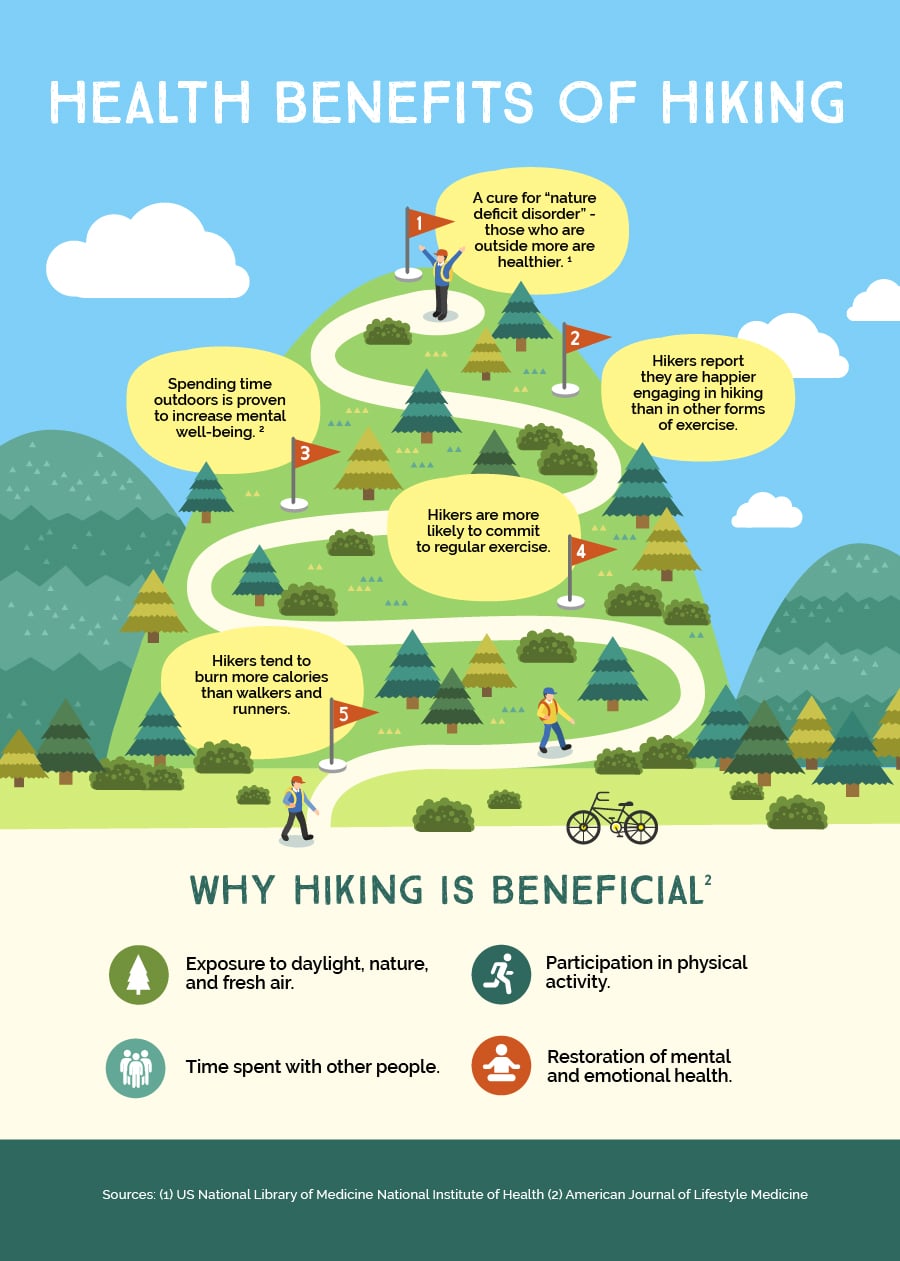
Hiking offers more than fresh air and exercise. It builds social connections that boost mental health. Sharing nature with others creates bonds that last. Meeting new people and spending time together helps reduce stress and loneliness. These social benefits improve mood and overall well-being.
Bonding Through Group Hikes
Group hikes bring people closer. Walking side by side encourages easy conversation. Sharing the same trail creates a sense of teamwork. Challenges on the path make group members support each other. These moments strengthen friendships and trust. The shared experience helps people feel connected.
Reducing Feelings Of Isolation
Hiking with others breaks the cycle of isolation. Being outdoors with friends or new acquaintances lifts spirits. Nature and company reduce feelings of loneliness. The social interaction during hikes improves mental clarity. Regular group walks create a routine that combats isolation.
Credit: www.lichtsinn.com
Cognitive Health And Longevity
Hiking offers many mental benefits, especially for the brain. It helps keep your mind sharp and supports long-term brain health. Spending time in nature and moving your body can boost brain function. These effects contribute to better thinking skills and may help you live longer.
Improving Memory And Learning
Walking through natural areas can improve memory. Studies show people who hike often remember things better. The fresh air and green surroundings help the brain focus. This makes it easier to learn new information. Hiking also reduces stress, which can harm memory. Less stress means your brain works at its best.
Supporting Brain Plasticity
Brain plasticity means the brain’s ability to change and grow. Hiking encourages this by creating new brain connections. Physical activity increases blood flow to the brain. This helps brain cells stay healthy and active. Nature’s calm environment also supports mental recovery. Both help the brain adapt and improve over time.
Finding Serenity Outdoors
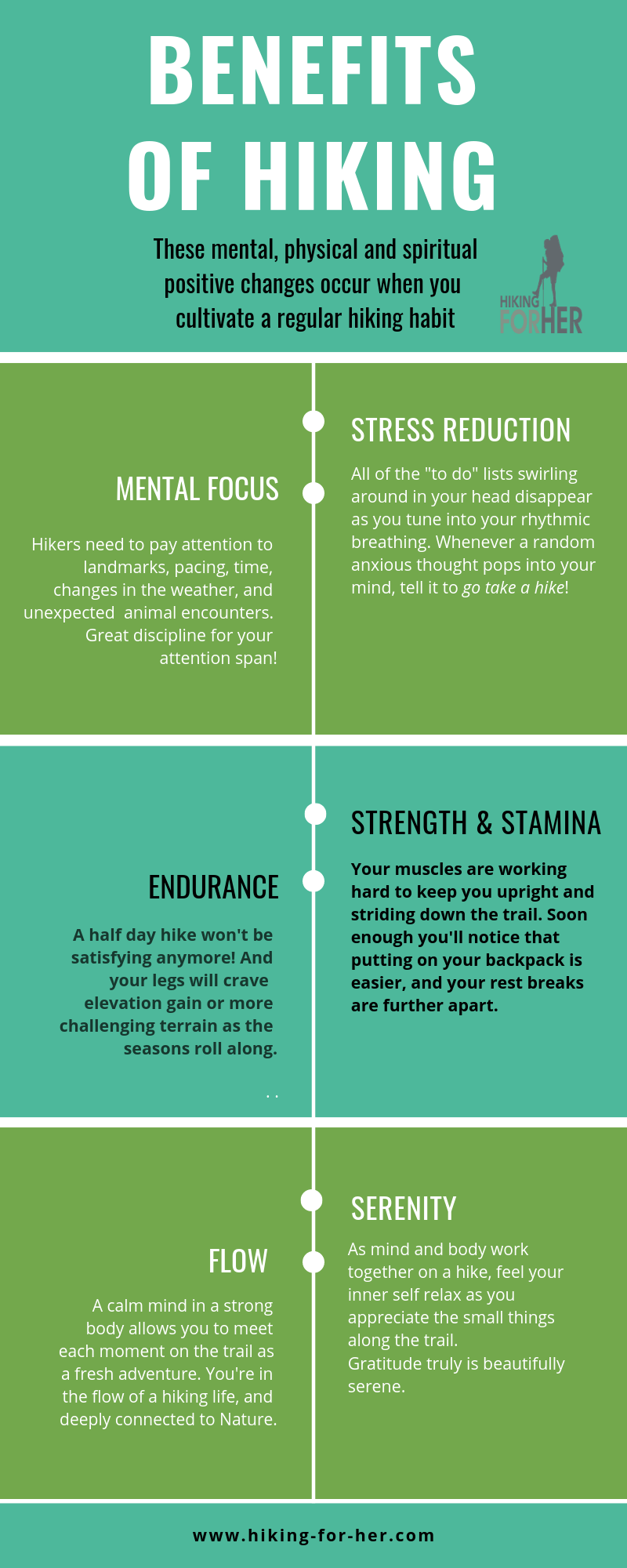
Spending time outdoors on a hiking trail offers more than just exercise. It brings a special kind of calm to the mind. Nature’s quiet helps clear away stress and worries. The fresh air and open spaces create a natural escape from daily noise. Hiking invites you to slow down and breathe deeply.
Outdoors, the mind finds room to rest. This peace helps improve mood and focus. It is a chance to reset and feel balanced again. Many hikers describe a sense of calm that stays long after their walk ends.
Creating A Sense Of Peace
Walking through forests or along mountain paths calms the nervous system. Gentle sounds of birds or rustling leaves soothe the mind. This quiet setting reduces anxiety and stress hormones. The steady rhythm of walking helps steady thoughts. It feels like the world is simpler here, safer and still. These moments of peace can improve sleep and reduce feelings of anger or sadness.
Connecting With The Natural World
Hiking helps people feel part of something bigger than themselves. Observing trees, animals, and changing weather deepens awareness. This connection brings joy and a sense of belonging. Nature’s beauty inspires gratitude and mindfulness. These experiences teach patience and respect for the environment. The bond with nature can increase happiness and lower feelings of loneliness.
Credit: www.hiking-for-her.com
Frequently Asked Questions
What Are The Mental Benefits Of Hiking Regularly?
Hiking reduces stress, boosts mood, and improves mental clarity. It promotes mindfulness and increases serotonin levels. Regular hiking also enhances cognitive function and reduces symptoms of anxiety and depression.
How Does Hiking Improve Brain Health?
Hiking increases blood flow to the brain, supporting neurogenesis. It improves memory, focus, and creativity. Exposure to nature during hikes also lowers cortisol levels, protecting brain cells from stress damage.
Can Hiking Help Reduce Anxiety And Depression?
Yes, hiking lowers anxiety and depression by releasing endorphins. Nature exposure calms the nervous system and improves emotional regulation. Hiking also promotes social interaction, which supports mental well-being.
Why Is Nature Important For Mental Health During Hiking?
Nature provides a calming environment that reduces mental fatigue. It helps restore attention and lowers stress hormones. Being outdoors during hiking enhances feelings of peace and connection to the world.
Conclusion
Hiking helps clear your mind and reduce stress. Walking in nature boosts your mood and energy. It gives you time to think and feel calm. Spending time outside can improve your sleep. It also helps you feel more focused during the day.
Small steps on a trail can lead to big mental health gains. Try hiking often to enjoy these benefits yourself. Nature has a simple way to heal the mind.