Have you ever thought about how hiking could change your life, no matter your age? If you’re an older adult, hiking offers more than just a walk in the woods.
It’s a way to boost your energy, clear your mind, and connect with nature. Imagine feeling stronger, more confident, and happier every time you hit the trail. You’ll discover how hiking can fit into your lifestyle, the amazing benefits it brings, and simple tips to get started safely.
Ready to explore how old people hiking can open a new chapter of health and joy for you? Keep reading—you won’t want to miss this.
.jpg)
Credit: www.kendalathome.org
Benefits Of Hiking For Seniors
Hiking offers many benefits for seniors. It supports both the body and mind. Walking on nature trails helps keep older adults active. It also brings joy and a sense of peace. The simple act of hiking can improve health in many ways.
Physical Health Improvements
Hiking strengthens muscles and bones. It improves balance and coordination. These help reduce the risk of falls. Regular walking boosts heart health and lung function. It also helps control weight and blood pressure. Fresh air and sunlight support vitamin D production too.
Mental Wellness Boosts
Hiking lowers stress and anxiety levels. Nature has a calming effect on the mind. It helps clear thoughts and improve focus. Being outdoors can lift mood and fight depression. The quiet and beauty offer a break from daily worries. This mental rest is very important for seniors.
Social Connections
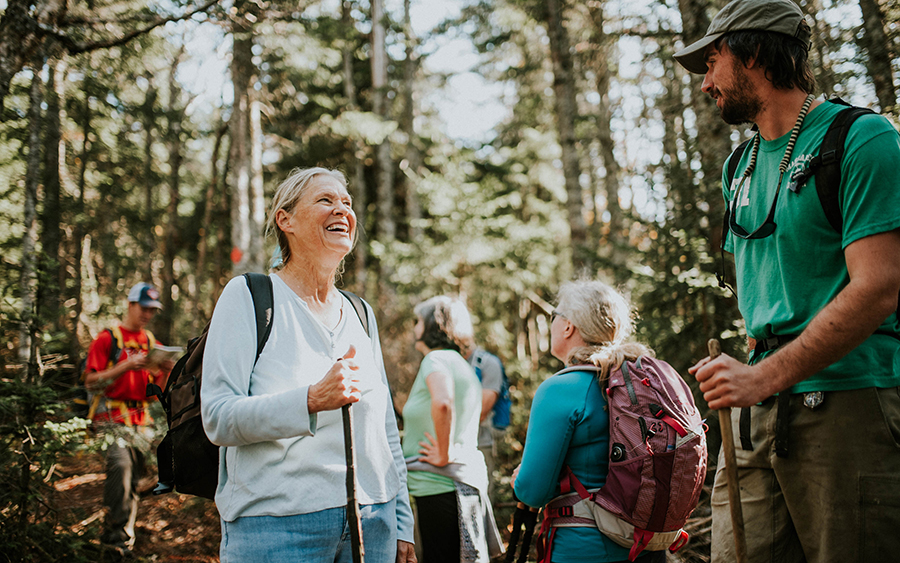
Group hikes create opportunities to meet others. Social interaction helps fight feelings of loneliness. Sharing stories and experiences builds friendships. Being part of a group gives a sense of belonging. It also motivates seniors to stay active regularly. These social bonds support emotional health and happiness.
Credit: www.outdoors.org
Choosing The Right Trails
Choosing the right trails is important for older adults who enjoy hiking. Trails should match physical abilities and provide a safe, enjoyable experience. The right path encourages regular outdoor activity and promotes health. It also helps prevent injuries and fatigue.
Assessing Trail Difficulty
Check the trail’s length and elevation gain. Shorter trails with gentle slopes suit many older hikers. Trails marked as “easy” or “moderate” often fit well. Avoid steep climbs or rough terrain. Know your limits and plan hikes accordingly.
Scenic Routes For Inspiration
Beautiful views keep motivation high. Choose trails with lakes, forests, or flower fields. Natural beauty makes the walk more pleasant. It also offers spots to rest and enjoy the surroundings. Scenic routes add joy to every step.
Accessibility Considerations
Look for trails with smooth, stable surfaces. Paths without many obstacles are easier to navigate. Some trails have benches or rest areas along the way. Parking close to trailheads helps reduce walking distance. Accessibility ensures comfort and safety for all hikers.
Essential Gear For Senior Hikers
Hiking is a wonderful way for seniors to stay active and enjoy nature. Having the right gear makes every hike safer and more fun. Essential gear helps seniors walk comfortably and avoid injuries. It also supports balance and navigation on trails. Below are key items every senior hiker should consider.
Footwear And Clothing
Good shoes protect feet and provide strong support. Choose hiking boots with firm soles and ankle protection. Breathable socks reduce blisters and keep feet dry. Dress in layers to adjust to weather changes. Lightweight, moisture-wicking fabrics keep skin comfortable. Hats and sunglasses protect from sun and heat.
Safety And Navigation Tools
Carry a map and compass for simple navigation. A GPS device can offer extra help on tricky paths. A whistle alerts others in case of emergency. Pack a small first-aid kit with bandages and antiseptic. A flashlight or headlamp is useful for low light. Always bring enough water to stay hydrated.
Comfort And Support Accessories
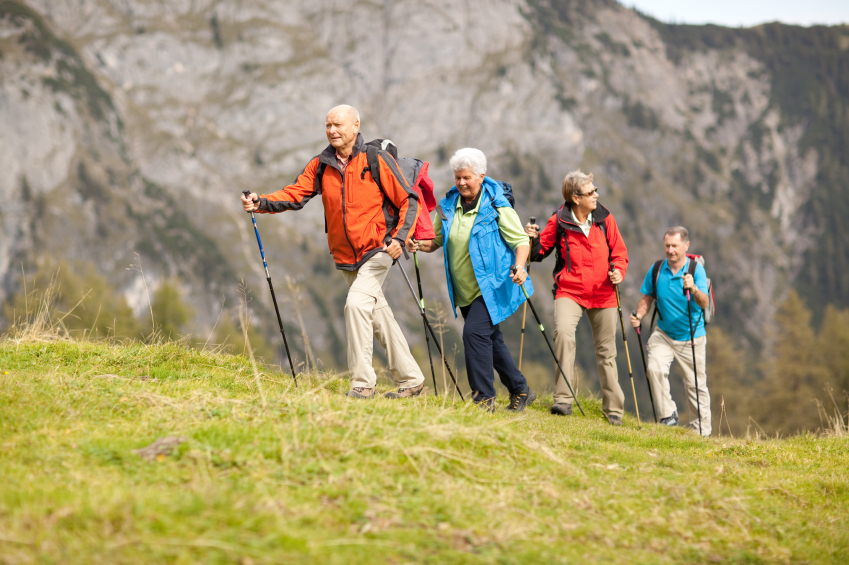
Trekking poles reduce strain on knees and improve balance. Cushioned insoles add extra comfort inside shoes. Use a small backpack to carry essentials without strain. Knee braces or supports can ease joint pain. Take rest breaks on portable stools or mats. These items help seniors enjoy longer, safer hikes.
Credit: www.chaimitzvah.org
Safety Tips For Older Hikers
Hiking is a great way for older adults to stay active and enjoy nature. Safety is very important for older hikers. This section shares key tips to keep hiking safe and fun. Follow these tips to prepare well and avoid common risks.
Preparing For Emergencies
Carry a fully charged phone for help. Share your hiking plan with a friend or family member. Pack a small first aid kit with bandages and pain relief. Bring enough water and snacks to stay energized. Know the trail map and landmarks to avoid getting lost. Wear bright clothes to be seen easily.
Managing Health Conditions
Check with your doctor before hiking. Take all prescribed medicines on time. Carry extra medication in case of delays. Listen to your body and rest if tired. Avoid pushing too hard or fast. Know your limits to prevent accidents or health problems.
Weather And Terrain Awareness
Check the weather forecast before you leave. Dress in layers to adjust to temperature changes. Wear sturdy shoes with good grip for uneven ground. Avoid slippery or steep paths that may cause falls. Carry a hat and sunscreen to protect from sun. Turn back if weather worsens or trail is unsafe.
Inspirational Senior Hiking Stories
Older adults hiking is a story of strength and joy. Many seniors find new purpose on trails. Their stories inspire others to start hiking too. These stories show that age is just a number. Hiking brings health, friendship, and adventure at any age.
Let’s explore some amazing stories of seniors who hike. Their journeys teach us about courage and community. They face tough paths and keep moving forward. These tales bring hope and motivation for everyone.
Notable Senior Adventurers
Some seniors have become famous for their hiking feats. They climb mountains and cross long trails. Their ages range from 70 to over 90 years old. These hikers prove that physical limits can be pushed. Their stories make headlines and inspire many people.
One example is a 90-year-old woman who completed a 500-mile trail. She trained carefully and stayed determined. Another is a man in his 80s who hikes every week. These seniors show that adventure never ends.
Group Hiking Experiences
Hiking groups for seniors are growing fast. Walking with friends makes the experience fun and safe. Groups often meet on weekends or holidays. They share stories, help each other, and explore nature together.
Many seniors find new friends in these groups. They support one another through tough hikes. Group hikes also teach teamwork and patience. This social side of hiking improves mental health too.
Overcoming Challenges
Seniors face many challenges on trails. Joint pain, fatigue, and weather can slow them down. Yet, they keep trying by adapting their pace and gear. Many use walking sticks or take rest breaks often.
These challenges do not stop them from hiking. Instead, they learn to manage their limits wisely. Their stories encourage others to face fears and stay active. Overcoming obstacles is part of the joy of hiking.
Joining Senior Hiking Groups
Joining senior hiking groups offers many joys beyond just walking outdoors. These groups provide a chance to meet others with similar interests. They create a safe space for older adults to enjoy nature together. Being part of a group can make hiking more fun and motivating.
Social connection and shared experiences often lead to lasting friendships. Hiking with others also adds a layer of safety. Seniors can support each other, making the activity more accessible and enjoyable.
Finding Local Clubs
Start by checking community centers or local parks. Many towns have clubs designed for senior hikers. Libraries and senior centers often list such groups in their newsletters. Online community boards can also help you discover clubs nearby. Joining a local club means easy access to planned hikes and events.
Benefits Of Group Hikes
Group hikes boost motivation and help maintain regular activity. Walking with others encourages a steady pace and longer distances. Sharing stories and experiences enriches the time spent outdoors. Group members often share tips on hiking routes and gear. This support helps seniors stay safe and confident while hiking.
Virtual Hiking Communities
Virtual hiking groups connect seniors who cannot always meet in person. They share photos, trail advice, and encouragement online. These communities offer a way to stay involved and inspired. Virtual groups can also organize challenges and events. They keep the hiking spirit alive, even from home.
Planning Multi-day Hiking Trips
Planning multi-day hiking trips needs care and good preparation. Older hikers must think about their needs and comfort. Small details can make a big difference on the trail. Good planning helps avoid problems and makes the trip fun.
Packing Essentials
Pack light but bring all important items. Choose clothes that are warm and dry quickly. Good hiking boots protect your feet and give support. Carry enough food and water for each day. A first aid kit is a must for safety. Don’t forget a map, compass, or GPS device. A flashlight or headlamp helps in the dark. Bring a hat and sunscreen to protect from the sun.
Accommodation Options
Think about where to rest each night. Some trails have campsites with toilets and water. Small tents work well if you like camping. Shelters and huts offer more comfort and warmth. Book huts early to ensure a spot. Consider nearby lodges or cabins for extra rest. Choose places easy to reach after hiking.
Pacing And Rest Strategies
Start with short distances to build strength. Walk at a steady and comfortable speed. Take breaks often to drink water and relax muscles. Stop before feeling very tired to avoid injury. Stretch gently during rests to stay flexible. Listen to your body and adjust the plan. Rest well at night to feel fresh each day.
Frequently Asked Questions
What Are The Benefits Of Hiking For Old People?
Hiking improves cardiovascular health, strengthens muscles, and boosts mental well-being. It also promotes social interaction and reduces stress in older adults. Regular hiking can enhance balance and flexibility, helping prevent falls and improving overall quality of life.
How Can Seniors Prepare For Hiking Safely?
Seniors should consult a doctor before hiking. Start with short, easy trails to build stamina. Wear proper footwear and carry water. Use trekking poles for stability and take breaks to avoid exhaustion. Preparing physically and mentally ensures a safe hiking experience.
What Gear Is Best For Old People Hiking?
Comfortable, supportive hiking shoes are essential. Lightweight, breathable clothing helps regulate body temperature. Carry a backpack with water, snacks, a first aid kit, and a map. Trekking poles aid balance. A hat and sunscreen protect against sun exposure. Proper gear enhances safety and comfort.
Are There Special Hiking Trails For Seniors?
Yes, many parks offer senior-friendly trails with gentle slopes and smooth paths. These trails prioritize safety and accessibility. They often include benches and scenic views. Choosing such trails reduces injury risk and provides an enjoyable hiking experience for older adults.
Conclusion
Hiking offers many benefits for older adults. It helps keep the body strong and the mind sharp. Walking in nature can reduce stress and lift the mood. Many trails suit different fitness levels, making hiking accessible. It is also a great way to meet new friends.
Staying active supports better health and longer life. Start slow and enjoy each step on the path. Hiking can bring joy and a sense of freedom. Give it a try and see how it feels.