Are you planning your next hiking trip and wondering if you should carry a backpack? Choosing whether to hike with a backpack can change your entire experience.
It affects your comfort, safety, and even how much you enjoy the trail. But how do you know if a backpack is right for you? You’ll discover the key reasons for and against hiking with a backpack, helping you make the best choice for your adventure.
Keep reading—you might be surprised by what you learn!
Credit: www.cleverhiker.com
Benefits Of Hiking With A Backpack
Hiking with a backpack brings many benefits. It helps you carry what you need. You can enjoy your hike without worry. The right backpack makes outdoor adventures easier and safer.
Here are some key benefits of hiking with a backpack.
Increased Mobility And Freedom
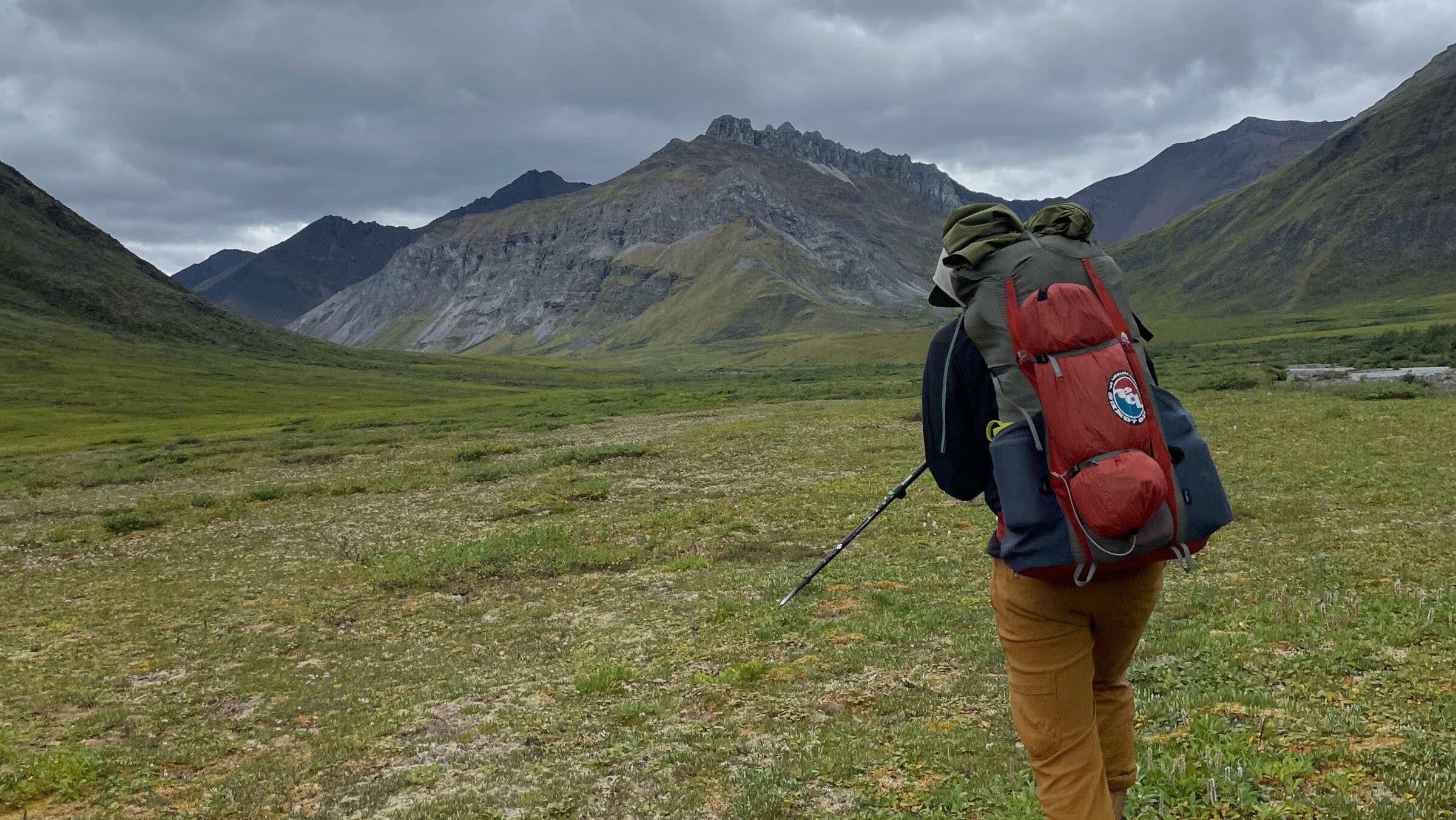
A good backpack lets you move freely on trails. It holds your gear without slowing you down. You can walk longer and explore more places. Your hands stay free for balance and climbing. Less to carry in your hands means more comfort.
Access To Necessary Supplies
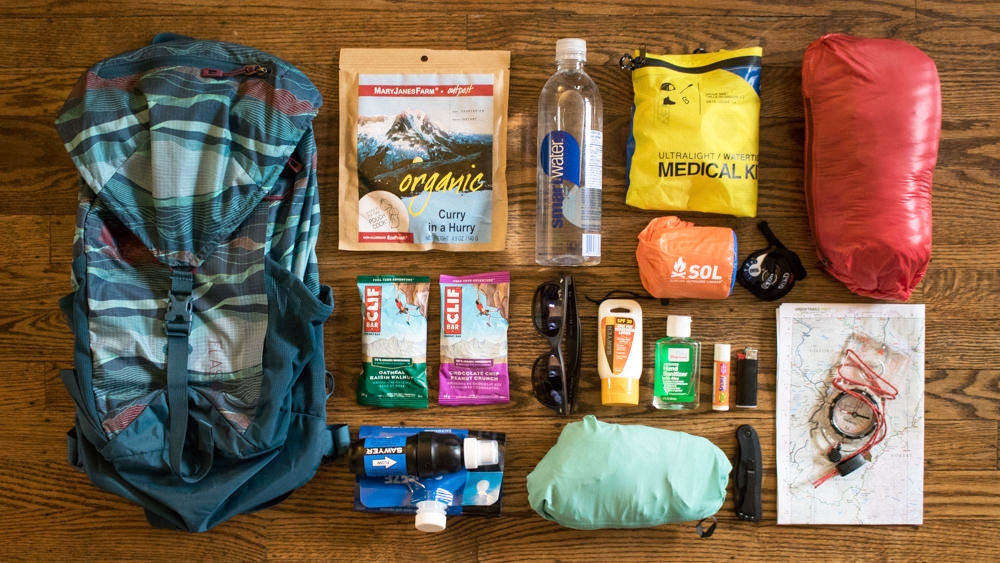
Backpacks hold water, food, and extra clothes. You can carry a first aid kit and maps too. Having supplies means you stay prepared for changes. You avoid the stress of not having what you need. It helps you enjoy the hike with peace of mind.
Enhanced Safety On Trails
Carrying safety gear improves your protection on trails. A backpack lets you bring a flashlight, whistle, or rain gear. It keeps important items close and ready. Being ready helps you handle unexpected situations better. Hiking feels safer and less risky.
Credit: www.backpacker.com
Choosing The Right Backpack
Choosing the right backpack is key for a good hiking trip. The right pack carries your gear comfortably and keeps you prepared. Picking the right one helps avoid pain and trouble on the trail. Focus on size, material, and how it fits your body. These points help you find a backpack that works well for your hike.
Size And Capacity Considerations
Pick a backpack size that fits your trip length. For short hikes, a small pack holds basics like water and snacks. Longer hikes need bigger packs for clothes and gear. Choose a pack with enough space but not too big. Too large packs can feel heavy and awkward. Think about what you need to carry each time.
Material And Durability
Strong material keeps your backpack safe from tears. Look for nylon or polyester fabrics. They resist water and rough use well. Check the zippers and seams for good quality. A durable backpack lasts many hikes without damage. It protects your gear in bad weather or rough paths.
Comfort And Fit Features
Comfort matters most on long hikes. Choose a backpack with padded shoulder straps. Look for a padded back panel to reduce pressure points. Adjustable straps help fit the pack close to your body. Waist belts move weight from shoulders to hips. A good fit reduces fatigue and makes hiking fun.
Packing Essentials For Trekking
Packing the right items makes trekking safer and more fun. A well-packed backpack helps you face weather changes, stay energized, and find your way. Knowing what to carry keeps your load light and useful. Focus on key essentials that cover clothing, food, and safety.
Clothing And Weather Gear
Wear layers to adjust to changing weather. A waterproof jacket protects from rain and wind. Bring a hat for sun or cold. Pack extra socks to keep feet dry. Gloves help if it gets cold. Choose clothes that dry fast and feel comfortable.
Food And Hydration
Carry enough water to stay hydrated. Use a reusable water bottle or hydration pack. Pack high-energy snacks like nuts and dried fruit. Avoid heavy or perishable foods. Small meals help keep energy steady. Always bring a little extra food for emergencies.
Navigation And Safety Tools
Bring a map and compass for direction. A GPS device can also help. Carry a whistle to signal for help. A small first aid kit is important. Pack a flashlight or headlamp for darkness. Always have a fully charged phone for emergencies.
Backpacking Techniques For Comfort
Backpacking can be fun but also tough on your body. Comfort matters most. You carry your gear on your back for hours. Using good techniques helps you feel better and hike longer. Small changes make a big difference. Here are some simple ways to pack and carry your backpack for more comfort.
Proper Weight Distribution
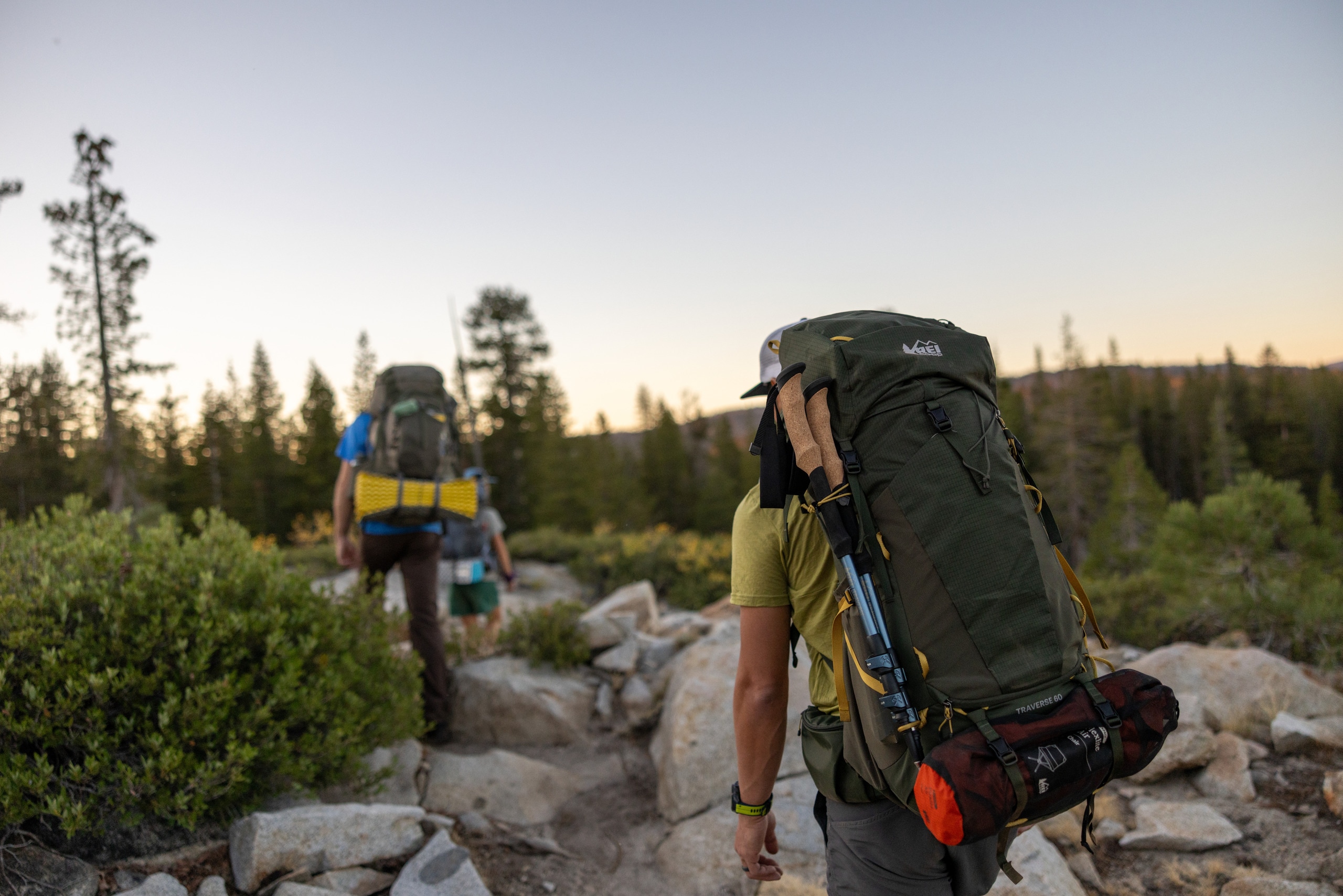
Place heavy items close to your back. Keep them near the middle of your pack. This stops your pack from pulling you backward. Spread lighter items around the sides and top. Balance the weight evenly on both shoulders. Uneven weight causes pain and tired muscles. A well-balanced pack feels lighter and easier to carry.
Adjusting Straps And Padding
Use all straps on your backpack. Tighten shoulder straps but not too tight. Use hip belts to move weight to your hips. This takes pressure off your shoulders. Check padding on straps and back panel. Padding stops rubbing and sores. Adjust straps often during the hike for the best fit. A good fit keeps you comfortable and pain-free.
Managing Load During Long Hikes
Keep only what you need in your pack. Remove items you do not use. Stop and take breaks to adjust your pack. Shift your load if you feel pain or pressure. Drink water and eat small snacks to keep energy up. Stretch your back and shoulders during breaks. Lighten your load when possible to avoid fatigue.
Common Mistakes To Avoid
Hiking with a backpack can be fun and practical. But many hikers make mistakes that hurt their trip. Avoid these common errors to enjoy your hike more. Careful planning makes a big difference.
Overpacking And Excess Weight
Packing too much adds heavy weight. It makes walking harder and tires you faster. Carry only what you really need. Choose light and small items to save space. A lighter pack means more comfort and less pain.
Ignoring Weather Conditions
Not checking the weather can cause trouble. Rain, wind, or heat can change your plans. Pack clothes for the weather you expect. Bring rain gear if rain is possible. Dress in layers to stay warm or cool.
Neglecting Backpack Maintenance
Backpacks need care to last long. Dirt and sweat can damage zippers and straps. Clean your backpack after each trip. Check for tears or broken parts before hiking. Fix problems early to avoid bigger issues on the trail.
Tips For First-time Backpackers
Starting your first backpacking trip can feel exciting and a bit scary. Preparing well helps make the hike safe and fun. Knowing some key tips will boost your confidence and comfort on the trail.
These tips focus on simple steps. They help you learn without feeling overwhelmed. The goal is to enjoy nature while carrying your backpack easily.
Starting With Short Trails
Choose easy and short trails for your first hikes. This helps your body adjust to carrying a backpack. Short walks let you test your strength and stamina. You can learn how to walk with the pack on your back. It builds your confidence before longer hikes.
Testing Gear Before The Trip
Try all your gear before the hike. Wear your backpack and walk around the house or park. Check if the pack fits well and feels comfortable. Test your shoes, clothes, and other equipment too. Fix problems early to avoid pain or trouble during the trip.
Planning And Preparing Thoroughly
Plan your route and check the weather forecast. Pack only what you need, keeping your backpack light. Prepare food, water, and first aid supplies. Let someone know your plan and expected return time. Good preparation makes your hike safer and more enjoyable.
Credit: www.rei.com
Frequently Asked Questions
Is Hiking With A Backpack Necessary For All Trails?
Not all trails require backpacks, but carrying essentials is wise. Backpacks hold water, snacks, first aid, and extra clothing. For longer hikes, a backpack ensures safety and comfort. Short walks may need minimal gear, but having a backpack adds convenience and preparedness.
What Size Backpack Is Best For Day Hikes?
For day hikes, a 15-30 liter backpack is ideal. It’s large enough for water, food, and extra layers. Smaller packs reduce weight and bulk, making hiking easier. Choose a backpack with padded straps and ventilation for comfort. Proper size enhances hiking experience and safety.
How To Pack A Backpack For Hiking Efficiently?
Pack heavy items close to your back for balance. Place frequently used items like snacks on top or in side pockets. Distribute weight evenly to avoid strain. Use compression straps to secure gear. Efficient packing improves comfort and prevents injuries during hikes.
Can Hiking With A Backpack Improve Endurance?
Yes, hiking with a backpack builds strength and endurance. Carrying weight challenges muscles and boosts cardiovascular fitness. Start with light loads and increase gradually. This training prepares you for longer hikes and outdoor activities. It enhances stamina and overall physical health.
Conclusion
Carrying a backpack can make hiking easier and more fun. It holds water, snacks, and extra clothes you might need. Choose a backpack that fits well and feels light. Too much weight can cause pain and slow you down. Think about the hike length and weather before packing.
A good backpack helps you stay safe and prepared. Hiking with the right gear means more comfort and enjoyment. Try it on your next walk and see the difference.