Are you wondering if hiking can actually help you build muscle? You might think of hiking as just a way to enjoy nature or get some fresh air, but it can do a lot more for your body than you realize.
If you want to know how hiking affects your muscles and whether it can help you get stronger, keep reading. By the end of this article, you’ll understand how hiking fits into your fitness goals and what kind of muscle gains you can expect.
Let’s dive in and uncover the truth about hiking and muscle building.

Credit: thehikingadventure.com
How Hiking Impacts Muscle Growth
Hiking is more than just a way to enjoy nature. It can help build muscle and improve strength. The effect on muscles depends on several factors. These include the type of trail, the load carried, and the duration of the hike.
Understanding how hiking impacts muscle growth helps you use it better for fitness. It is a natural activity that works many muscles at once. Let’s explore which muscles get worked and how the terrain affects muscle development.
Muscle Groups Engaged During Hiking
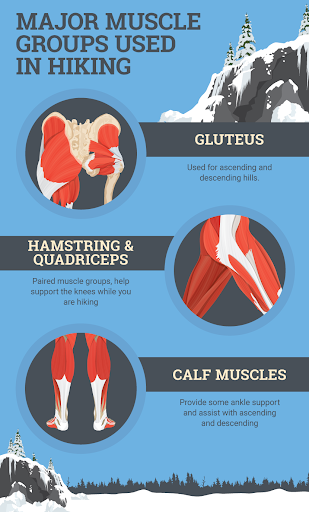
Hiking mainly works the lower body muscles. The quadriceps in the front of the thigh get a good workout. The hamstrings at the back of the thigh also stay active. Calf muscles help push the body upward on steep paths.
The glute muscles play a key role in stabilizing the hips. Core muscles tighten to keep balance on uneven ground. Even the muscles in the lower back get stronger from steady hiking. Using trekking poles can engage arm muscles like biceps and triceps.
Role Of Terrain And Elevation
Flat trails demand less muscle power. Hiking on flat ground tones muscles but builds less strength. Steep hills and rocky paths challenge muscles more. Climbing uphill increases the load on leg muscles. Descending downhill works muscles differently. It requires control to avoid slipping and strain on joints.
Rough terrain forces the body to adjust constantly. This activates smaller stabilizing muscles. These muscles help prevent injuries and improve balance. The higher the elevation, the harder the muscles work. Thin air means muscles get less oxygen and must work harder.

Credit: greatmindsthinkhike.com
Comparing Hiking To Traditional Workouts
Comparing hiking to traditional workouts helps us understand how each affects the body. Hiking is an outdoor activity that challenges muscles differently than gym exercises. Both have benefits, but they serve different fitness goals. Exploring these differences shows how hiking fits into a workout routine.
Hiking Vs. Weightlifting
Weightlifting focuses on building muscle through heavy resistance. It targets specific muscle groups with controlled movements. Hiking works muscles by using body weight and natural terrain. It strengthens legs, core, and improves balance. Weightlifting grows muscle size faster. Hiking builds endurance and tones muscles gradually. Both activities improve muscle strength but in different ways.
Cardio Benefits And Muscle Maintenance
Hiking is a great cardio workout. It raises heart rate and burns calories. Cardio helps keep muscles lean and healthy. It also improves stamina and lung capacity. Weightlifting does not provide the same heart benefits. Hiking helps maintain muscle while boosting fitness. It supports overall health with low injury risk.
Surprising Strength Gains From Hiking
Hiking is more than a fun outdoor activity. It can help build muscle and improve strength. Many people think hiking only helps with stamina. But it also works muscles in unique ways. Walking on uneven trails challenges your body differently than flat surfaces. This challenge helps your muscles grow stronger over time.
Carrying a backpack adds resistance that your muscles must handle. The natural ups and downs of trails create a workout for many muscle groups. Hiking also improves balance and coordination. These benefits combine to give you real strength gains. Let’s explore how hiking shapes your body.
Endurance And Muscle Tone
Hiking increases endurance by making muscles work longer. Your leg muscles keep moving for hours. This constant effort improves muscle tone and firmness. Muscles become more defined with regular hiking. The slow, steady movement helps burn fat and build lean muscle. Over time, you notice stronger, more toned legs and arms. Hiking also boosts your heart and lung health. This makes your muscles better at using oxygen. Better oxygen use means less tiredness during exercise.
Core And Lower Body Development
Hiking uses core muscles to keep you balanced on rough paths. Your stomach and back muscles work hard to stabilize your body. This improves posture and reduces injury risk. The legs get a strong workout too. Walking uphill strengthens thighs, calves, and glutes. Going downhill helps muscles control movement and absorb shock. This builds power and endurance in your lower body. Hiking also engages your hips, improving flexibility and strength. These changes support everyday movement and other sports activities.
Optimizing Hiking For Muscle Building
Hiking naturally works many muscles, but it can do more. Small changes help build muscle better. Focus on adding challenge and variety. This wakes up muscles and makes them grow stronger.
Muscles need resistance and effort to grow. Hiking up hills or rough paths helps, but you can add more. Carry extra weight or change your pace. These tricks turn a simple hike into a muscle workout.
Using Weighted Backpacks
Adding weight to your hike increases muscle effort. Use a backpack with weights or filled with gear. Start light and increase weight slowly. This forces your legs, back, and core to work harder.
Weighted backpacks target leg muscles like quads and calves. Your core also tightens to keep balance. Carrying weight boosts muscle strength over time. It makes flat trails feel tougher and more effective.
Incorporating Intervals And Speed
Change your walking speed during hikes. Walk fast for short bursts, then slow down to recover. This interval style challenges muscles differently than steady walking.
Speed bursts activate fast-twitch muscle fibers. These fibers grow with short, intense effort. Intervals improve muscle tone and power. They also increase your heart rate for better fitness.
Combining Hiking With Other Exercises
Hiking is great for building endurance and leg muscles. Still, it may not work all muscle groups evenly. Adding other exercises boosts overall strength and fitness.
This approach helps prevent muscle imbalances and reduces injury risks. It also keeps workouts interesting and challenging.
Strength Training Supplements
Strength training involves lifting weights or using resistance bands. These exercises target muscles hiking may not fully engage, like arms and core.
Adding squats, lunges, or push-ups can improve muscle tone and power. This helps you hike harder and climb steeper paths.
Strength training also speeds up metabolism and supports bone health. Doing it twice a week makes a big difference.
Flexibility And Recovery Practices
Stretching and recovery help muscles heal and stay flexible. Tight muscles can cause pain and lower performance.
Try yoga or simple stretches after hiking and workouts. These ease soreness and improve balance.
Rest days and good sleep also let muscles rebuild stronger. Recovery is as important as exercise itself.
Credit: sosphysiotherapy.ca
Common Mistakes That Limit Muscle Growth
Building muscle through hiking is possible, but many make mistakes that slow progress. These errors often stop muscle growth despite regular hiking sessions. Knowing what to avoid helps you gain strength and muscle faster. Below are common mistakes that limit muscle growth on hiking trails.
Overdoing Easy Trails
Choosing only easy trails limits muscle challenge and growth. Easy paths do not stress muscles enough to build strength. Muscles need more resistance to grow, such as steep hills or rough terrain. Hiking the same flat trail every time can cause a plateau in muscle development. To build muscle, increase trail difficulty or add weight with a backpack.
Ignoring Nutrition And Rest
Muscles grow during rest, not just exercise. Skipping rest days slows muscle repair and growth. Eating poorly or not enough protein also hinders muscle building. Muscles need fuel from protein and calories to repair after hiking. Without proper nutrition and rest, muscles stay weak and tired. Balance hiking with good food and sleep for better muscle gains.
Frequently Asked Questions
Does Hiking Help Build Muscle Mass Effectively?
Yes, hiking builds muscle by engaging leg, core, and glute muscles. Steep trails increase resistance, promoting muscle growth and endurance. It’s a low-impact, natural way to strengthen muscles while improving cardiovascular health.
Which Muscles Does Hiking Primarily Target?
Hiking mainly targets quadriceps, hamstrings, calves, glutes, and core muscles. Uphill hiking especially activates the glutes and thighs. It also strengthens stabilizing muscles, improving balance and overall muscle tone.
How Often Should I Hike To Build Muscle?
For muscle gains, hike 3-4 times weekly with moderate to challenging trails. Consistency and progressive difficulty are key. Combine hiking with strength training for optimal muscle development and endurance.
Can Hiking Replace Gym Workouts For Muscle Building?
Hiking alone improves muscle endurance and tone but lacks targeted resistance. It complements gym workouts well but may not fully replace weight training for significant muscle growth. Use hiking as part of a balanced fitness routine.
Conclusion
Hiking can help build muscle, especially in your legs and core. Walking on hills or uneven paths makes muscles work harder. You may not get big muscles like weightlifting, but hiking improves strength and endurance. It also helps your heart and burns calories.
Consistent hiking leads to better muscle tone and fitness. Try to hike regularly and challenge yourself with different trails. Enjoy nature while getting stronger. Small steps add up to big health benefits. Keep moving, and your muscles will thank you.