Staying hydrated is essential, especially during outdoor activities like hiking, cycling, or running. Carrying a water bottle is helpful, but it’s not always convenient. This is where hydration backpacks come in. They let you drink water easily, even while moving. But how exactly do these backpacks work, and what makes them a favorite for athletes and adventurers? Let’s explore the key features, benefits, and how hydration backpacks operate in detail.
What Is A Hydration Backpack?
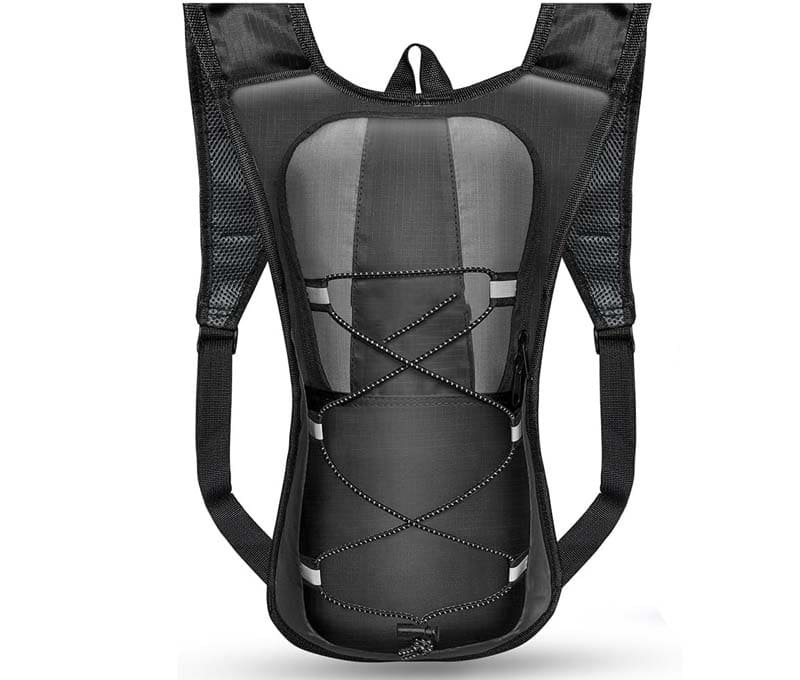
A hydration backpack is a special bag designed to carry water and make drinking easy while you’re active. Unlike regular backpacks, it holds a water reservoir—also called a bladder—with a tube that lets you sip hands-free. Most hydration backpacks look like slim, lightweight backpacks with a drinking hose sticking out.
You’ll see them used in marathons, mountain biking, long hikes, and even festivals. The main idea is simple: keep water close and accessible without stopping your movement.
How Does A Hydration Backpack Work?
The working mechanism is quite clever yet simple. Here’s how it functions step by step:
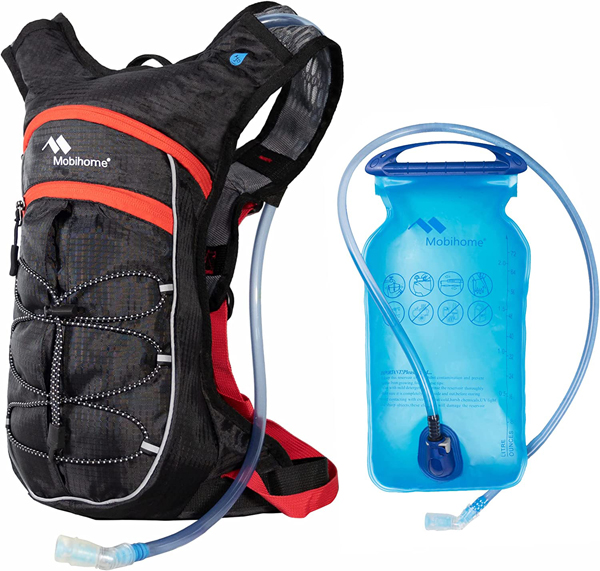
- Water Reservoir (Bladder): The main part is a flexible plastic container. It usually holds between 1 to 3 liters of water. You fill this bladder before starting your activity.
- Drinking Tube: A long, flexible tube connects to the bottom of the bladder. This tube snakes out of the backpack, over your shoulder, and near your mouth.
- Bite Valve: At the end of the tube is a bite valve. This is a small nozzle that only lets water flow when you bite or squeeze it with your lips. It prevents leaks and makes drinking easy.
- Backpack Design: The backpack has a special compartment for the bladder and extra holes for the tube. Some models have straps or magnets to hold the tube in place.
- Drinking On The Go: When you get thirsty, you simply bite the valve and suck. The water flows from the reservoir, through the tube, and into your mouth—no need to stop or use your hands.
Many hydration packs also include extra pockets for snacks, keys, or a light jacket.
Credit: szoneier.com
Key Features And Components
Understanding the main parts helps you choose the right hydration pack and use it properly.
Water Reservoir/bladder
The reservoir is usually made from BPA-free plastic. Common sizes are 1L, 1.5L, 2L, and 3L. The opening can be a screw cap or a sliding seal. A wide opening makes cleaning and refilling easier.
Drinking Tube
This tube is flexible and long enough to reach your mouth. Some tubes are insulated to keep water cool. A few models offer a quick-disconnect feature for easier cleaning.
Bite Valve
The bite valve is a soft rubber nozzle. It keeps water sealed inside until you bite down, making it leak-proof. Some valves have an extra lock to prevent accidental leaks.
Backpack Shell
The backpack itself is lightweight, often with mesh panels for airflow. Straps are adjustable for a snug fit. Some models add chest or waist straps for better weight balance.
Extra Storage
Most hydration backpacks have pockets for your phone, snacks, or first-aid kit. Some even include reflective strips for visibility at night.
Comparison: Hydration Backpack Vs. Traditional Water Bottles
To see the real value, compare hydration backpacks with regular water bottles.
| Feature | Hydration Backpack | Water Bottle |
|---|---|---|
| Hands-Free Drinking | Yes | No |
| Capacity | Up to 3 liters | 0.5–1 liter per bottle |
| Ease of Use While Moving | Very easy | Need to stop/reach bottle |
| Weight Distribution | Evenly spread on back | Often uneven (hand or side) |
| Cleaning | Can be tricky | Easy |
Benefits Of Hydration Backpacks
Hydration packs offer unique advantages for anyone active outdoors.
- Continuous hydration: You can sip small amounts often, which helps avoid dehydration.
- Hands-free convenience: No need to stop, open a bottle, or slow down.
- Better weight balance: Water is centered on your back, reducing arm fatigue.
- Higher capacity: Most can carry more water than one or two bottles.
- Extra storage: Carry snacks, maps, or tools in one place.
Choosing The Right Hydration Backpack
With so many options, how do you pick the best one? Focus on these factors:
- Reservoir Size: Choose a size based on your activity. For short runs, 1–1.5 liters is enough. For long hikes, 2–3 liters is better.
- Fit and Comfort: Try it on with some water inside. Look for padded straps and adjustable belts.
- Weight: Lightweight models are better for running; sturdy ones suit hiking or biking.
- Tube and Valve Quality: Insulated tubes keep water cool in hot weather. Easy-to-clean valves and quick-disconnect tubes are a plus.
- Storage Needs: Some packs have only water; others offer space for gear.
Here’s a quick look at what different users might need:
| User | Recommended Size | Important Features |
|---|---|---|
| Runner | 1–1.5L | Minimal weight, snug fit |
| Hiker | 2–3L | Extra pockets, comfort straps |
| Cyclist | 1.5–2L | Low profile, tube clips |
Cleaning And Maintenance Tips
Hydration backpacks are easy to use but need regular care. Here’s how you can keep yours fresh and safe:
- Rinse after every use. Even plain water can grow bacteria if left inside.
- Use mild soap and a cleaning brush to scrub the inside of the bladder.
- Dry it fully before storing. Hang it open or use a special drying frame.
- Clean the tube and valve with a narrow brush. Some brands sell cleaning kits.
- Avoid sugary drinks. They leave sticky residue and encourage mold.
Many beginners forget to dry the bladder fully, leading to mold or bad smells. A simple trick: store the dry bladder in the freezer to prevent bacteria growth.
Common Mistakes To Avoid
Some errors can ruin your experience. Watch out for these:
- Overfilling the bladder: This can cause leaks or make the backpack uncomfortable.
- Ignoring cleaning: This leads to bad taste or even sickness.
- Improper tube placement: If the tube is too long or short, it can bounce around or be hard to reach.
- Neglecting fit: An ill-fitting backpack can cause back pain or chafing.
Credit: kamui.co
When Should You Use A Hydration Backpack?
Hydration backpacks are perfect for:
- Long hikes or treks (over 2 hours)
- Trail running or marathons
- Mountain biking or road cycling
- Skiing or snowboarding
- Any activity where you need both hands free
They’re less useful for short walks or when water is easily available. For city walks or short trips, a simple bottle may be enough.
Unique Insights Most Beginners Miss
- Water temperature matters. On hot days, water in the tube can get warm quickly. Some packs offer insulated tubes or you can blow air back into the tube after sipping to keep it cooler.
- Bladder shape affects comfort. Wide, flat bladders sit better against your back and reduce sloshing compared to narrow ones.

Credit: www.osgwbag.com
Frequently Asked Questions
How Often Should I Clean My Hydration Backpack?
Clean the bladder and tube after every use, especially if you use anything other than water. Mold can grow quickly inside if not cleaned and dried properly.
Can I Put Drinks Other Than Water In The Bladder?
You can, but it’s not recommended. Sugary drinks leave residue and are hard to clean. They also increase the risk of mold and bacteria.
How Do I Prevent Leaks From The Bite Valve?
Always check that the valve is closed or locked when not in use. If you notice dripping, replace the valve or check for debris.
Are Hydration Backpacks Suitable For Children?
Yes, but choose a smaller size for a better fit. Some brands offer kid-specific models that are lighter and easier to carry.
Where Can I Learn More About Hydration Packs?
You can find detailed reviews and guides from outdoor experts on websites like REI’s Expert Advice.
Staying hydrated is one of the easiest ways to boost your outdoor performance and comfort. With a hydration backpack, you get hands-free access to water, better balance, and more freedom on the move. Whether you’re running a marathon or exploring a mountain trail, understanding how hydration backpacks work helps you get the most from every adventure.