Buying the right hiking backpack can make or break your outdoor adventure. A good backpack supports your journey, keeps your gear organized, and protects your back. But with so many options in stores and online, how do you know which one is right for you?
Many beginners get lost in technical terms or buy a pack that doesn’t fit their needs. This guide will show you, step by step, how to buy a hiking backpack that matches your goals, body, and budget. Whether you plan day hikes or multi-day treks, you’ll learn how to choose with confidence.
Why Choosing The Right Hiking Backpack Matters
Every hiker knows that comfort and safety depend on the right gear. The hiking backpack is not just a bag—it’s your mobile base camp. A poor choice can cause back pain, blisters, or even force you to cut your trip short. On the other hand, a well-chosen backpack will help you carry essentials easily, reduce fatigue, and let you focus on the beauty of nature.
Many first-time buyers pick a pack based only on price or style. They often overlook size, fit, or features. The result? Heavy shoulders, sore hips, or broken zippers on the trail. Choosing carefully avoids these problems and lets you enjoy your hike.
Types Of Hiking Backpacks
Before you buy, it’s key to know the types of backpacks and which fits your adventure. Here are the main categories:
- Daypacks: For short hikes or city walks. Usually 15–35 liters.
- Overnight packs: For 1–2 nights. Often 35–50 liters.
- Multi-day packs: For longer trips. Usually 50–80 liters.
- Technical packs: For climbing, skiing, or special trips.
If you only plan short, local hikes, a daypack is enough. But for camping or long treks, you’ll need a larger pack with more support.
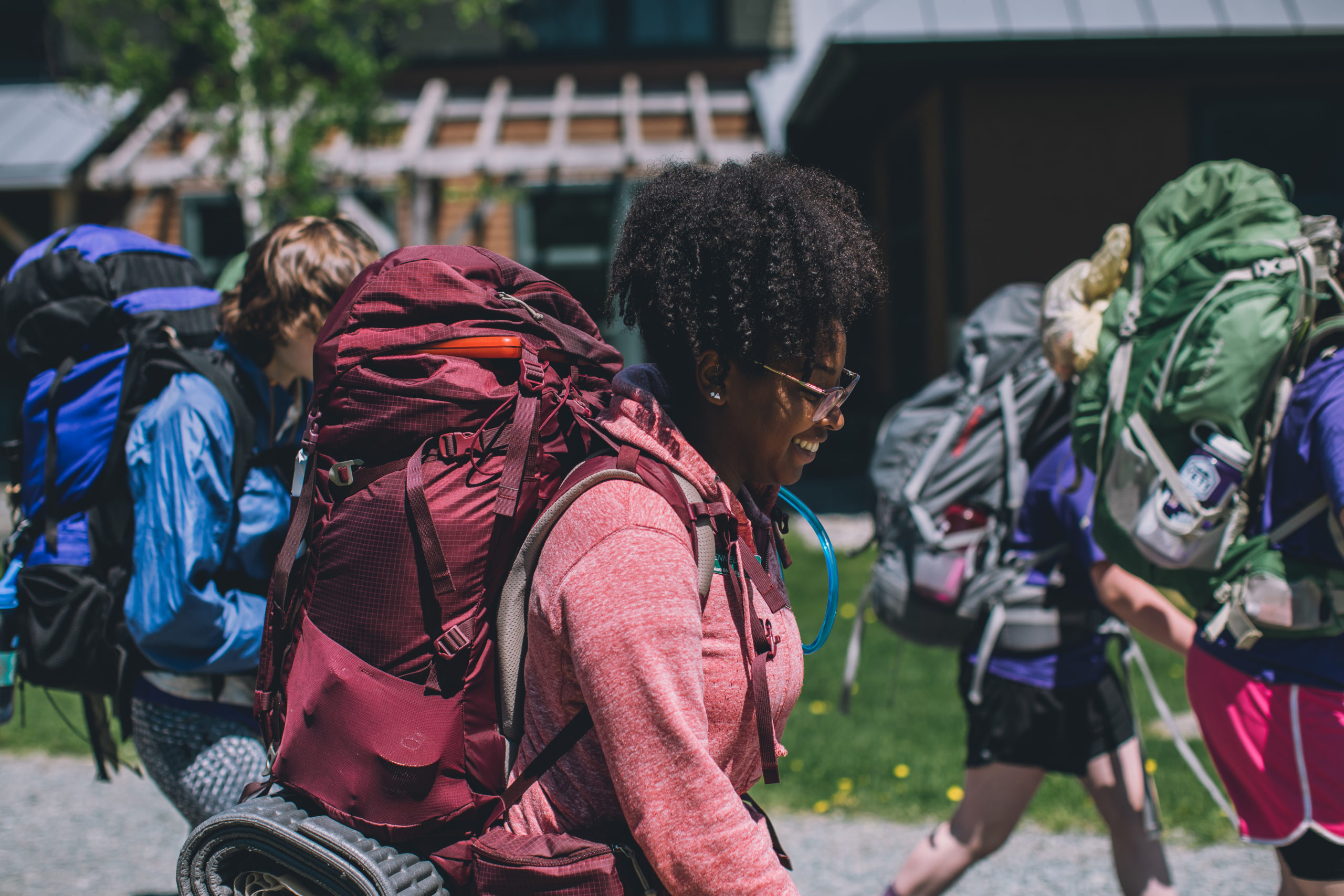
Credit: www.outdoors.org
Backpack Capacity: How Much Space Do You Need?
Capacity is measured in liters (L). Picking the right size depends on trip length and how much you carry.
| Trip Length | Recommended Capacity | Common Uses |
|---|---|---|
| 1 day | 15–30 L | Day hikes, city walks |
| 1–3 nights | 30–50 L | Short backpacking trips |
| 3+ nights | 50–80 L | Extended treks, camping |
Many beginners make the mistake of buying the largest pack, thinking more space is always better. But a big pack encourages overpacking, which adds weight. If you’re not sure, try to pack your gear before buying. This way, you’ll know the real space you need.
Fit And Comfort: The Most Important Factor
No matter the brand or features, a backpack must fit your body. Fit affects comfort and prevents injuries. Here’s what to check:
Torso Length
Backpacks come in different torso lengths—not just “small,” “medium,” or “large. ” Measure your torso (from the base of your neck to the top of your hip bones) and compare it to the pack’s specs.
Hip Belt
A good hip belt carries most of the weight. It should wrap snugly around your hips, not your waist. The padding should cover the hip bones, not just rest on top.
Shoulder Straps
Straps should be padded, contoured, and adjustable. Look for packs with load lifters—small straps that adjust the angle and bring the pack closer to your body for better balance.
Try Before You Buy
If possible, visit a store and try packs with some weight inside. Walk around, adjust the straps, and see how it feels. A pack that feels fine empty may not work with a full load.
Features To Look For
Different packs offer different features. Here are some to consider:
- Access points: Top-loading, side zippers, or panel access.
- Hydration sleeve: Holds a water bladder for easy drinking.
- Rain cover: Built-in or included for wet weather.
- Pockets: Stretchy side pockets, hip belt pockets, or lid pockets for small items.
- Compression straps: Help reduce bulk and stabilize the load.
- Attachment loops: For trekking poles, ice axes, or sleeping pads.
Don’t be fooled by “extra” features you won’t use. Each added zipper or pocket increases weight.
Weight: Why Lighter Isn’t Always Better
A lighter pack is easier to carry, but super-light models may lack support or durability. Ultralight packs often skip padding, frames, or tough fabrics. For most hikers, a balance is best: light enough to carry, but sturdy enough for your gear.
For example, a typical daypack weighs 0. 5–1 kg, while a multi-day pack can weigh 1. 5–2. 5 kg. If you carry heavy loads or hike rough trails, look for a strong internal frame.
Materials And Durability
Backpacks face rain, rocks, and rough handling. Key material terms include:
- Denier (D): Measures fabric thickness. 210D is light; 600D or higher is tougher.
- Ripstop nylon: A common, durable fabric with a crosshatch pattern to stop tears.
- Water resistance: Most packs handle light rain, but not all are waterproof.
Stronger packs last longer, but weigh more. Pay attention to the bottom and seams, which face the most stress.
Ventilation And Back Panel Design
Sweaty backs are common, but some packs offer better airflow. Look for:
- Mesh back panels: Keep the pack off your skin, allowing air to circulate.
- Ventilated foam: Has cutouts or channels for airflow.
- Suspended mesh: The pack “floats” off your back for maximum cooling.
These features matter more in hot climates or on tough uphill hikes.
Price: How Much Should You Spend?
Hiking backpacks range from $40 for simple daypacks to $400+ for advanced models. As a rule, higher prices mean better materials, fit, and features. But you don’t need the most expensive pack to hike safely.
Here’s a quick price comparison:
| Backpack Type | Price Range (USD) | What You Get |
|---|---|---|
| Basic Daypack | 40–100 | Simple, light, few features |
| Overnight Pack | 100–200 | More support, larger capacity |
| Multi-day Pack | 150–400 | Best fit, features, and durability |
If you hike often, invest in quality. But for rare trips, a mid-range model works well.
Men’s Vs Women’s Backpacks
Many brands offer packs designed for men or women. Women’s backpacks usually have:
- Shorter torso length
- Narrower shoulder straps
- Shaped hip belts
But these are not strict rules—choose what fits your body best, not just your gender label. Some unisex packs also fit well for all users.
Mistakes To Avoid When Buying A Hiking Backpack
Even with research, it’s easy to make errors. Watch out for these common mistakes:
- Ignoring fit: A great-looking pack that doesn’t fit is a bad buy.
- Overpacking: More space leads to carrying unnecessary weight.
- Skipping a test: Always try the pack with weight, if possible.
- Choosing style over substance: Cool colors don’t help on tough trails.
- Forgetting the return policy: Make sure you can exchange the pack if it doesn’t fit after trying at home.
Many beginners also forget to check if the pack can hold their sleeping bag, tent, or water system. Always check real gear fit, not just specs.
How To Test A Backpack Before You Buy
If you’re shopping in a store, ask staff to fill the backpack with weight (many have sandbags for this). Put it on, adjust all straps, and walk around for at least 10 minutes.
Check for:
- Even weight on both hips
- No rubbing or pinching on shoulders or back
- Good ventilation
- Easy access to water and small items
If shopping online, measure your torso and waist carefully. Buy from stores with easy returns so you can test at home.
Packing Tips: What To Put In Your Backpack
Packing well helps balance weight and keeps you comfortable. Place heavy items close to your back and in the middle. Lighter things, like a jacket, go at the top. Snacks or maps should be in outside pockets for quick access.
Here’s a basic packing order:
- Sleeping bag/clothes at the bottom
- Heaviest gear (tent, stove, food) in the middle, close to your spine
- Light gear (jacket, first aid) on top
- Water bottles, snacks, maps in side or hip pockets
Over time, you’ll find the best system for your needs.
Two Insights Many Hikers Miss
First, not all liters are equal. Some 50L packs have more usable space than others because of their shape and pocket design. Always check the pack in person or read detailed reviews to see if it fits your real gear.
Second, season and destination matter. A pack that works in summer may be too small for winter trips, when you need extra clothes or a bigger sleeping bag. Always plan for your exact trip, not just a “standard” hike.
:max_bytes(150000):strip_icc()/tal-mountain-hardwear-womens-jmt-35l-backpack-autumn-feldman-30-1249fc2f14704859a5833ba789ac4613.jpeg)
Credit: everestkitchennc.com
Where To Buy: Online Or In-store?
Both options work, but each has pros and cons. In-store lets you try different fits and ask for advice. Online often has better prices and more choices.
If you shop online, read sizing charts and customer reviews. Look for stores with free returns. Some good brands to start with are Osprey, Deuter, Gregory, and REI.
For more on backpack sizing and fit, the REI Expert Advice page offers clear guides and videos.
Frequently Asked Questions
What Size Hiking Backpack Do I Need For A Weekend Trip?
For most weekend (2–3 day) trips, a 35–50 liter pack is best. This size fits food, clothes, sleeping gear, and small extras without being too bulky.
How Do I Measure My Torso For A Backpack?
To measure your torso length, start at the bump at the base of your neck (C7 vertebra) and measure down to the top of your hip bones. Use this number to match the pack’s sizing chart.
Are Expensive Hiking Backpacks Worth It?
Often, higher-priced packs offer better fit, durability, and features. If you hike often or carry heavy loads, a quality pack is a smart investment. For light or rare use, a mid-range pack is usually enough.
Can I Use A Regular Backpack For Hiking?
A regular school or travel backpack may work for very short hikes. But they lack the support, comfort, and features needed for longer or rougher trails. For safety and comfort, use a hiking-specific backpack.
What Is The Difference Between Men’s And Women’s Hiking Backpacks?
Women’s packs are usually designed with shorter torso lengths, narrower shoulder straps, and shaped hip belts. But always try on different models—choose the one that fits you best, regardless of gender labels.
Choosing the right hiking backpack is an important step toward safe and enjoyable adventures. Focus on fit, comfort, and the real needs of your trips—not just price or appearance. Take time to test, pack, and compare before you buy. With the right backpack, every trail feels easier, and every journey is more fun.

Credit: www.amazon.com