When you hit the trail, your body needs the right fuel to keep you moving strong and energized. Without proper hiking nutrition, you might find yourself tired, hungry, or even at risk of injury.
But what exactly should you eat before, during, and after your hike? And how can you make sure your snacks actually boost your performance instead of slowing you down? You’ll discover simple, effective nutrition tips that make your hikes more enjoyable and help you reach your goals with ease.
Ready to fuel your adventure the smart way? Keep reading—you won’t want to miss these game-changing insights.
Credit: www.summitstrength.com.au
Key Nutrients For Hikers
Hiking requires the right fuel for the body. Eating the right nutrients helps keep energy high and muscles strong. Choosing the best foods supports endurance and recovery. Here are the key nutrients every hiker needs for a great hike.
Carbohydrates For Energy
Carbohydrates are the main energy source for hiking. They break down quickly into glucose, which powers muscles. Good carb sources include bread, rice, fruits, and oats. Eating carbs before and during hikes keeps energy steady. Avoid simple sugars that cause quick energy drops.
Proteins For Muscle Repair
Protein helps repair muscles after long hikes. It supports muscle growth and reduces soreness. Good protein options are nuts, beans, lean meats, and dairy. Carrying protein snacks on the trail aids recovery. Protein also keeps you feeling full longer.
Fats For Endurance
Fats provide slow, lasting energy for long hikes. They fuel muscles during steady, low-intensity walking. Healthy fats come from nuts, seeds, avocado, and olive oil. Eating fats with carbs helps balance energy use. Avoid trans fats that harm your body.
Hydration Essentials
Water is vital for all body functions during hiking. Staying hydrated prevents fatigue and heat problems. Drink water regularly, even if not thirsty. Electrolyte drinks help replace lost salts and minerals. Carry enough water and refill when possible.
Pre-hike Meal Ideas
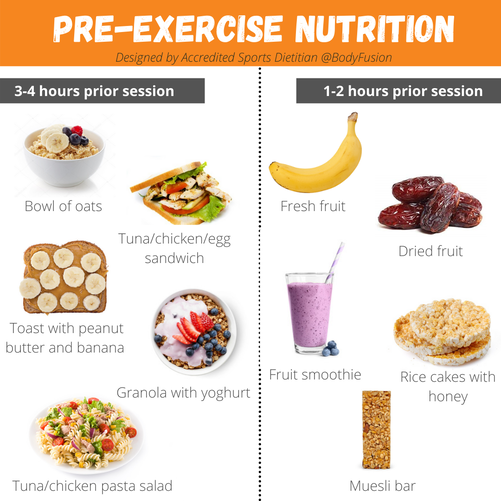
Eating the right food before a hike helps keep energy steady. It supports endurance and prevents tiredness. Choosing the right meal can make the hike more enjoyable and safer. Focus on meals that provide fuel without causing discomfort.
Balancing Macronutrients
Include carbohydrates, protein, and fats in your pre-hike meal. Carbohydrates give quick energy. Protein helps muscle strength and repair. Healthy fats provide lasting energy. A simple plate might have whole grains, lean meat, and avocado or nuts.
Timing Your Meal
Eat your pre-hike meal about 1.5 to 2 hours before starting. This timing helps digestion and avoids stomach cramps. Small snacks can be eaten closer to the hike start, about 30 minutes prior. Avoid heavy meals right before hiking.
Foods To Avoid
Stay away from greasy and fried foods before hiking. They slow digestion and may cause discomfort. Sugary snacks cause quick energy spikes and crashes. Limit caffeine and carbonated drinks; they can dehydrate you. Choose light and natural foods instead.
Snacks For The Trail
Choosing the right snacks for hiking is important. Snacks keep energy levels steady and help avoid fatigue. They should be easy to carry and provide good nutrition. Trail snacks fuel your body during breaks and keep your focus strong. Picking the best snacks can make your hike more enjoyable and safe.
Portable And Nutritious Options
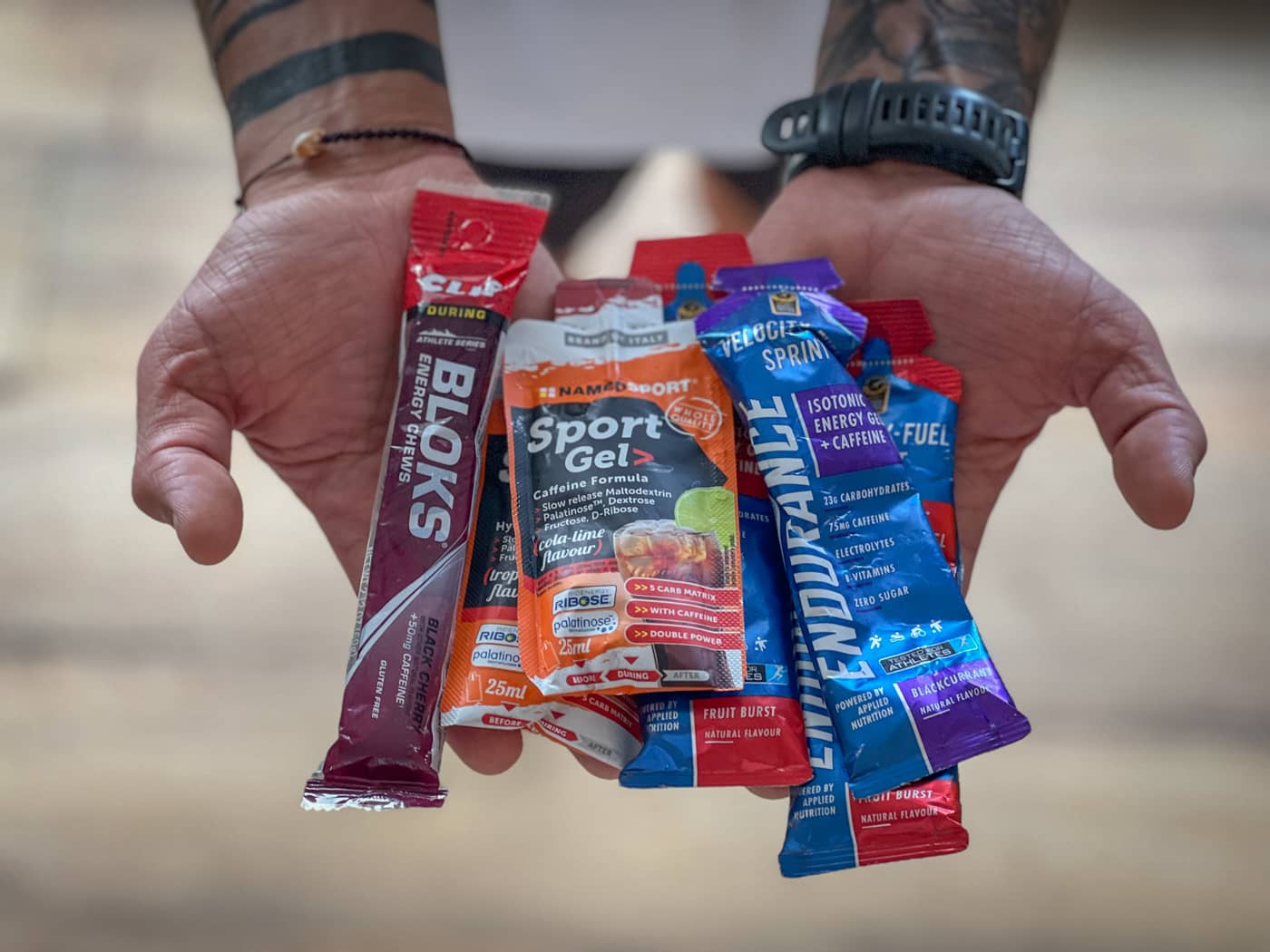
Trail snacks must be light and easy to pack. Nuts like almonds and walnuts provide healthy fats and protein. Dried fruits such as apricots and raisins add natural sweetness and fiber. Whole grain crackers and energy bars offer carbohydrates for lasting fuel. These snacks stay fresh and do not take much space.
Quick Energy Boosters
Sometimes your body needs fast energy on the trail. Fresh fruit like bananas and apples give natural sugar and water. Granola bars with oats and honey quickly raise blood sugar. Peanut butter packets give protein and fat that last longer. These choices help you feel ready for the next step.
Electrolyte-rich Choices
Electrolytes keep muscles working well and prevent cramps. Coconut water is a natural source of potassium and magnesium. Salted nuts replace lost sodium after sweating. Sports drink powders added to water restore key minerals. These snacks help maintain balance and avoid dehydration during hikes.
Credit: epicexpeditions.co
Post-hike Recovery Foods
Eating the right foods after a hike is very important. Your body needs to recover from the hard work. Good post-hike nutrition helps restore energy, repair muscles, and rehydrate your body. Choosing the best foods supports faster recovery and prepares you for your next adventure.
Replenishing Energy Stores
Hiking uses a lot of energy. Your muscles use stored carbohydrates called glycogen. Eating foods rich in carbohydrates helps refill these stores quickly. Good options include whole grain bread, rice, and sweet potatoes. Fruits like bananas and berries also provide quick energy. Timing matters. Eat carbohydrate foods within 30 minutes after hiking.
Muscle Recovery Foods
Muscles need protein to repair and grow after exercise. Protein helps fix tiny muscle tears caused by hiking. Include lean meats like chicken or turkey. Plant-based proteins like beans and lentils work well too. Dairy products like yogurt or cheese also supply protein. Combining protein with carbohydrates improves recovery even more.
Rehydration Strategies
Hiking causes sweat loss, which means losing water and salts. Drinking water is the first step to rehydrate. Sometimes, water alone is not enough. Electrolyte drinks with sodium, potassium, and magnesium help replace lost minerals. Eating salty snacks like nuts or pretzels can also restore electrolytes. Drink fluids slowly but steadily to avoid stomach discomfort.
Special Considerations
Hiking nutrition needs special care for different situations. Some conditions change how your body uses food. Knowing these special needs helps keep energy high and body strong. Planning your food right can make hiking safer and more fun.
Nutrition For High Altitude
High altitude affects how your body works. Your appetite may drop, but energy needs rise. Eat more carbs for quick energy. Drink plenty of water to avoid dehydration. Avoid heavy fats; they slow digestion. Small, frequent meals help keep energy steady. Include salty snacks to balance lost minerals.
Managing Food Allergies
Food allergies can cause serious problems during hikes. Always carry safe snacks that suit your needs. Read labels carefully to avoid allergens. Pack extra food in case of emergencies. Inform your hiking group about your allergies. Carry medication like antihistamines or an epinephrine injector. Choose simple foods with few ingredients.
Vegetarian And Vegan Options
Vegetarian and vegan hikers need balanced meals. Focus on plant proteins like beans and nuts. Include whole grains for energy and fiber. Carry dried fruits for quick sugar boosts. Use nut butters for healthy fats and calories. Ensure enough iron and vitamin B12 intake. Plan meals to avoid hunger and fatigue.
Credit: www.backpacker.com
Practical Tips For Packing
Packing food for a hike requires smart choices. Your backpack should carry enough nutrition without being too heavy. Careful planning helps keep food fresh and waste low. Practical tips can make your hiking nutrition easier and more enjoyable.
Lightweight Food Choices
Choose foods that weigh little but give energy. Nuts, dried fruits, and energy bars work well. They fit easily in your pack and do not spoil fast. Avoid heavy cans or fresh foods that need cold storage. Dehydrated meals are good for longer hikes. Small portions of cheese or jerky add protein without bulk.
Preserving Freshness
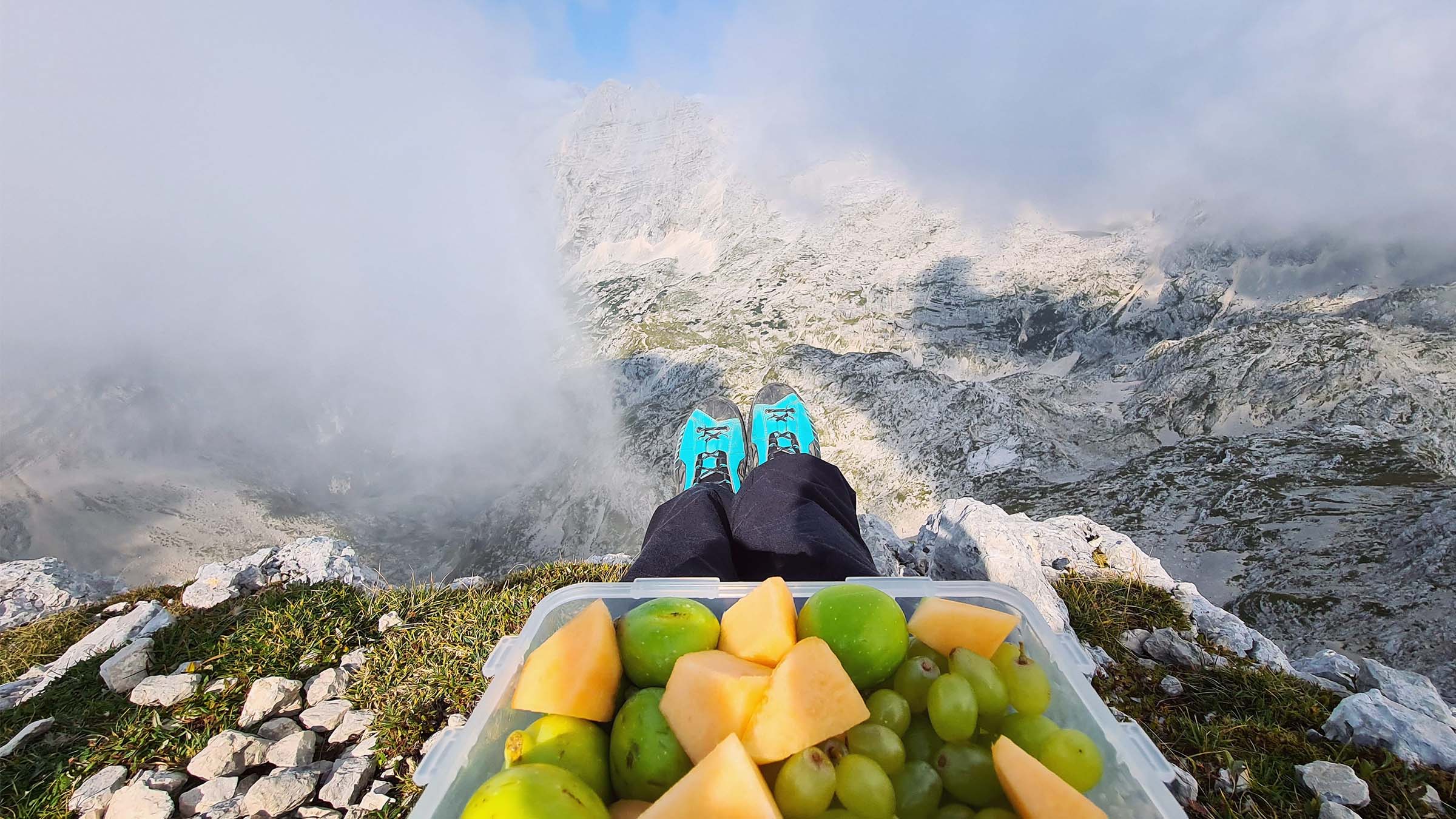
Keep perishable foods cool using insulated bags. Freeze water bottles to act as ice packs. Pack fruits like apples or oranges that last longer. Store food in airtight containers to stop moisture and bugs. Wrap sandwiches tightly in wax paper or foil. Check your food often to avoid spoilage.
Minimizing Waste
Use reusable containers instead of plastic bags. Pre-portion snacks to avoid carrying extra. Bring cloth napkins instead of paper towels. Carry out all trash, including food scraps. Plan meals to match your hike length and appetite. Less waste means a cleaner trail and lighter pack.
Frequently Asked Questions
What Are The Best Snacks For Hiking Nutrition?
The best hiking snacks are high-energy, portable, and nutritious. Nuts, trail mix, energy bars, and dried fruits provide lasting fuel. These snacks help maintain energy and stamina during long hikes without weighing you down.
How Much Water Should I Drink While Hiking?
Drink at least half a liter of water every hour. Hydration prevents fatigue and cramps. Adjust intake based on weather, intensity, and personal needs. Carry enough water or a filtration system for longer hikes.
Which Nutrients Are Essential For Hiking Endurance?
Carbohydrates provide quick energy, while proteins aid muscle repair. Fats offer long-lasting fuel. Vitamins and minerals support overall health and recovery. A balanced intake of all these nutrients enhances hiking performance and endurance.
Can I Rely On Energy Bars Alone For Hiking Nutrition?
Energy bars are convenient but shouldn’t be the only source. Combine them with whole foods like fruits and nuts. This mix ensures a variety of nutrients and sustained energy for your hike.
Conclusion
Good hiking nutrition helps you feel strong and enjoy the trail. Eat foods that give energy and keep you hydrated. Choose snacks that are easy to carry and digest. Drink water often to stay refreshed and avoid tiredness. Plan your meals to match your hiking time and effort.
Small changes in your food can make a big difference. Remember, smart eating supports your body and mind on every hike. Keep these tips in mind for a safe and happy adventure.