Have you ever wondered how much your backpacking backpack should weigh? Carrying the right load can make all the difference between an enjoyable hike and a painful struggle.
If your pack is too heavy, it can tire you out quickly and slow you down. But if it’s too light, you might miss essential gear that keeps you safe and comfortable. You’ll discover the ideal backpack weight, how to pack smart, and tips to lighten your load without sacrificing what you need.
Keep reading to find out how to make your next backpacking trip easier and more fun.
Average Backpack Weight
The average backpack weight varies depending on the trip type and duration. Carrying the right weight helps you enjoy your adventure without too much strain. Knowing typical backpack weights can guide you in packing smart and traveling light. It also helps in choosing the best backpack for your needs.
Daypacks Vs. Multi-day Packs
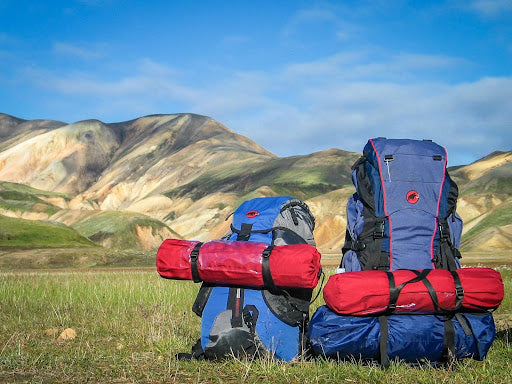
Daypacks are smaller and lighter. They usually weigh between 5 to 10 pounds. These packs hold essentials like water, snacks, and a jacket. Multi-day packs are bigger and heavier. They can weigh from 20 to 40 pounds or more. These packs carry food, shelter, and extra clothes for several days. Choosing between the two depends on your trip length and what you need to carry.
Weight Range By Trip Length
For a short day trip, expect to carry 5 to 10 pounds. This weight keeps you comfortable and agile on the trail. Overnight trips require 20 to 30 pounds. You carry a sleeping bag, tent, and cooking gear. Longer trips over several days often need 30 to 40 pounds. Packing light is key to avoid fatigue and injury. Plan your load based on how long you will be outdoors.
Credit: www.daggerfishgear.com
Factors Affecting Backpack Weight
The weight of a backpack for backpacking depends on many things. These factors shape how heavy the pack becomes during a trip. Understanding them helps you pack smart and carry less weight on your back.
Each item you add changes the total load. Some choices add more weight than others. Knowing what affects the weight lets you prepare better for your journey.
Gear Essentials
Gear forms the base of your backpack’s weight. Items like tents, sleeping bags, and cooking tools add pounds fast. Choosing lightweight gear helps keep the pack lighter. Avoid carrying extra or duplicate gear if not needed. Focus on multi-use items to save weight and space.
Clothing Choices
Clothing adds weight but is necessary for comfort and protection. Pack only what fits the weather and conditions. Heavy jackets and many layers increase the load. Use light, quick-dry fabrics to cut down weight. Limit the number of clothes to essentials only.
Food And Water Supplies
Food and water are often the heaviest items in a backpack. Water weighs about 2 pounds per liter. Carrying too much water adds a big load. Plan water stops to refill along the way. Choose lightweight, high-energy food to reduce weight. Avoid packing extra food beyond your trip needs.
Lightweight Backpacking Tips
Backpacking with a light pack makes hiking easier and more fun. Carrying less weight helps you walk faster and longer. It also reduces strain on your back and shoulders. These lightweight backpacking tips can help you carry only what you need.
Choosing Ultralight Gear
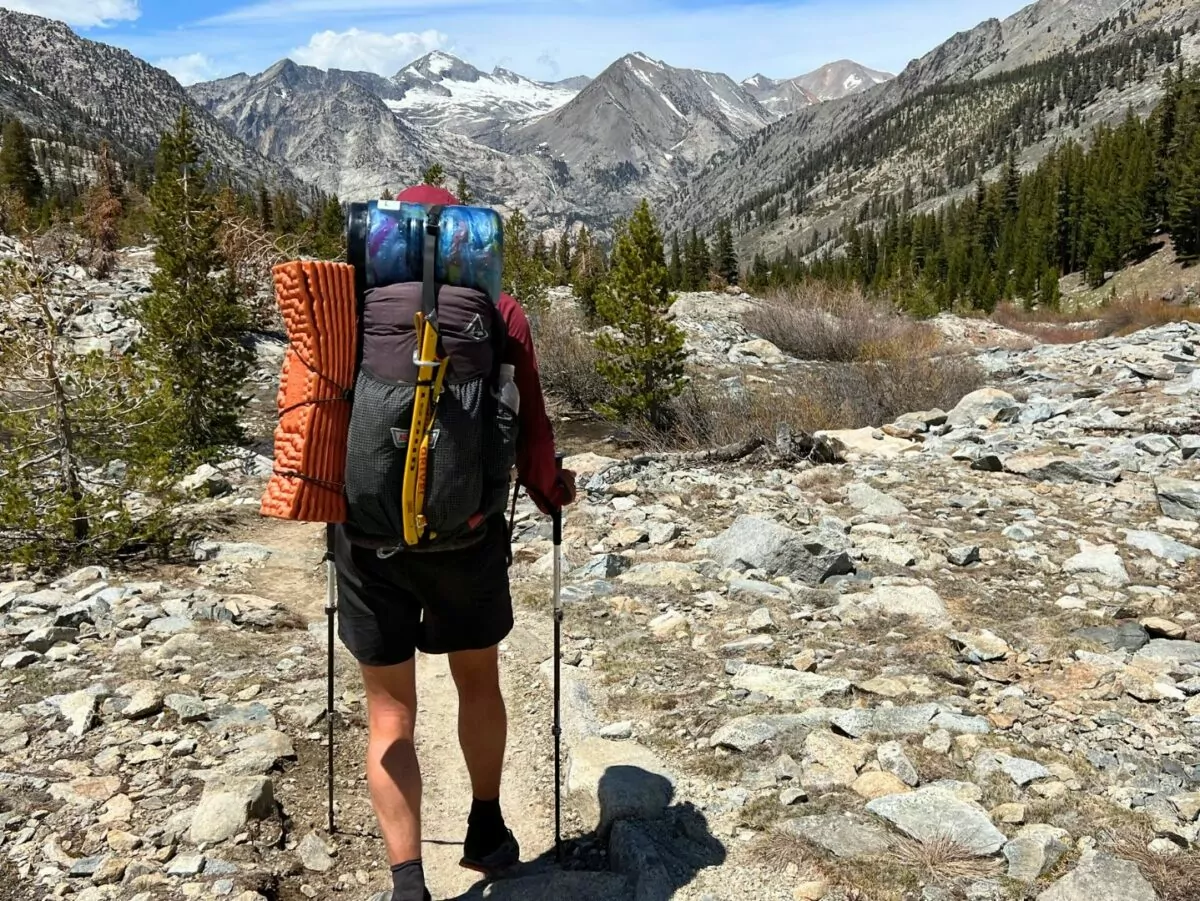
Pick gear that is made from light materials. Look for tents, sleeping bags, and backpacks designed for weight savings. Ultralight gear often uses thin fabrics and simple designs. Avoid heavy items like large cook sets or thick sleeping pads. Every ounce counts on the trail.
Packing Strategies
Organize your pack to keep weight balanced. Place heavy items close to your back and centered. Use compression sacks to reduce bulk. Carry only essentials and leave extras behind. Share group gear if hiking with friends to split weight.
Minimizing Food And Water Weight
Choose lightweight, high-energy foods like nuts, dried fruit, and energy bars. Plan meals to avoid carrying extra food. Use a small, efficient stove to cook quickly. Carry only enough water for your route. Refill at streams or springs to stay light.
Credit: wildlandtrekking.com
Impact Of Backpack Weight On Hiking
Backpack weight plays a big role in hiking comfort and success. It affects energy use, how fast you walk, and your risk of injury. Carrying the right weight helps you enjoy the trail more. Too heavy a load can make hiking hard and tiring. Understanding this impact helps you pack smarter and hike better.
Energy Expenditure
Heavier backpacks require more energy to carry. Your body works harder with every step. This extra effort can tire you quickly. Lighter loads help save energy for longer hikes. Energy use grows fast as weight increases. Carrying less means you can hike further and longer.
Comfort And Injury Risk
Heavy backpacks cause strain on your back and shoulders. This strain can lead to pain and discomfort. Over time, it may cause injuries like muscle strains or joint problems. A lighter pack feels more comfortable and reduces injury risk. Proper weight helps maintain good posture on the trail.
Pace And Endurance
Carrying a heavy pack slows your pace. You may need frequent breaks to rest. A lighter backpack lets you keep a steady speed. This steady pace improves endurance and hiking enjoyment. Less weight means you can tackle tougher trails with ease.
Weighing Your Backpack Correctly
Weighing your backpack correctly helps you carry only what you need. It keeps your load light and comfortable. Knowing the exact weight prevents surprises on the trail. Small mistakes in weighing can make a big difference during your hike.
Using Scales And Tools
Use a reliable scale for accurate results. A luggage scale works well for backpacks. Hang the pack from the scale and read the weight. Digital scales give clear numbers fast. Avoid guessing the weight by feel. Weigh your pack on a flat surface if using a bathroom scale. Make sure the pack is fully closed and packed as you will carry it.
Including Vs. Excluding Consumables
Decide if you want to weigh your pack with food and water. Including them shows your real hiking weight. Excluding them helps plan base pack weight. Water weight changes during the trip. Food weight reduces as you eat. Track both weights to understand your load better. This method prevents overpacking and surprises on the trail.
Sample Backpack Weight Breakdown
Understanding the weight of a backpack is key for any hiker or traveler. A sample backpack weight breakdown shows how much each item usually weighs. This helps plan better and avoid carrying too much. Knowing the weight of gear makes trips safer and more fun.
Typical Gear List
A typical backpack contains essential items for survival and comfort. These include a tent or shelter, sleeping bag, and sleeping pad. Clothing items like jackets, shirts, and socks also add weight. Cooking gear such as a stove, fuel, and utensils are common. Food and water supplies take up a large portion. Lastly, personal items like a first aid kit and navigation tools are important.
Weight Allocation By Category
Shelter gear usually weighs around 3 to 5 pounds. Sleeping bags and pads add another 2 to 4 pounds. Clothing varies but often weighs 3 to 6 pounds. Cooking and food combined can total 5 to 8 pounds. Water weight depends on how much is carried but can be 2 to 5 pounds. Personal items and extras typically weigh 1 to 3 pounds. Each category contributes to the total backpack weight.

Credit: sectionhiker.com
Frequently Asked Questions
How Much Does An Average Backpacking Backpack Weigh?
An average backpacking backpack weighs between 20 to 35 pounds. This weight includes essential gear, food, and water. Lightweight packers may carry less, around 15 pounds. Heavier setups can exceed 40 pounds. Weight depends on trip length, terrain, and personal needs.
What Factors Affect Backpacking Backpack Weight?
Backpack weight depends on gear type, food quantity, water, and clothing. Trip duration and weather also influence packing choices. Ultralight gear reduces weight significantly. Carrying extra safety or comfort items increases the load. Personal preferences play a key role in final weight.
How Can I Reduce My Backpacking Backpack Weight?
To reduce weight, choose lightweight gear and limit food to essentials. Use multi-purpose items and skip non-essentials. Opt for a smaller backpack to avoid overpacking. Proper planning and packing techniques help keep the load manageable. Prioritize safety but avoid unnecessary extras.
Is 35 Pounds Too Heavy For Backpacking?
A 35-pound backpack is average for multi-day trips. Beginners may find it heavy initially. Experienced hikers often carry 20-30 pounds comfortably. Heavier packs can cause fatigue and injury. Adjust weight based on fitness and trip difficulty for best experience.
Conclusion
Backpacking backpack weight varies depending on trip length and gear. Most backpacks weigh between 20 to 40 pounds when packed. Choosing lighter gear helps reduce strain on your body. Keep only essential items to stay comfortable on the trail. Remember, a lighter pack means more energy for hiking.
Plan carefully and pack smart for the best experience. Your backpack weight affects how far and fast you can go. Balance comfort and necessity to enjoy your adventure fully. Every ounce counts when you carry your gear all day.