Choosing the right backpacking backpack can make or break your adventure. Imagine hiking for hours only to feel pain from a poorly fitting pack or struggling to find your gear when you need it most.
You want a backpack that feels like it was made just for you—comfortable, durable, and organized. But with so many options out there, how do you pick the one that suits your needs perfectly? Keep reading, and you’ll discover simple, practical tips that help you find the ideal backpack to carry your journey with ease and confidence.
Backpack Types
Choosing the right backpack is important for a great hiking experience. The right pack makes your trip easier and more fun. Look at key features that match your needs. These features help carry your gear comfortably and keep you organized.
Capacity And Volume
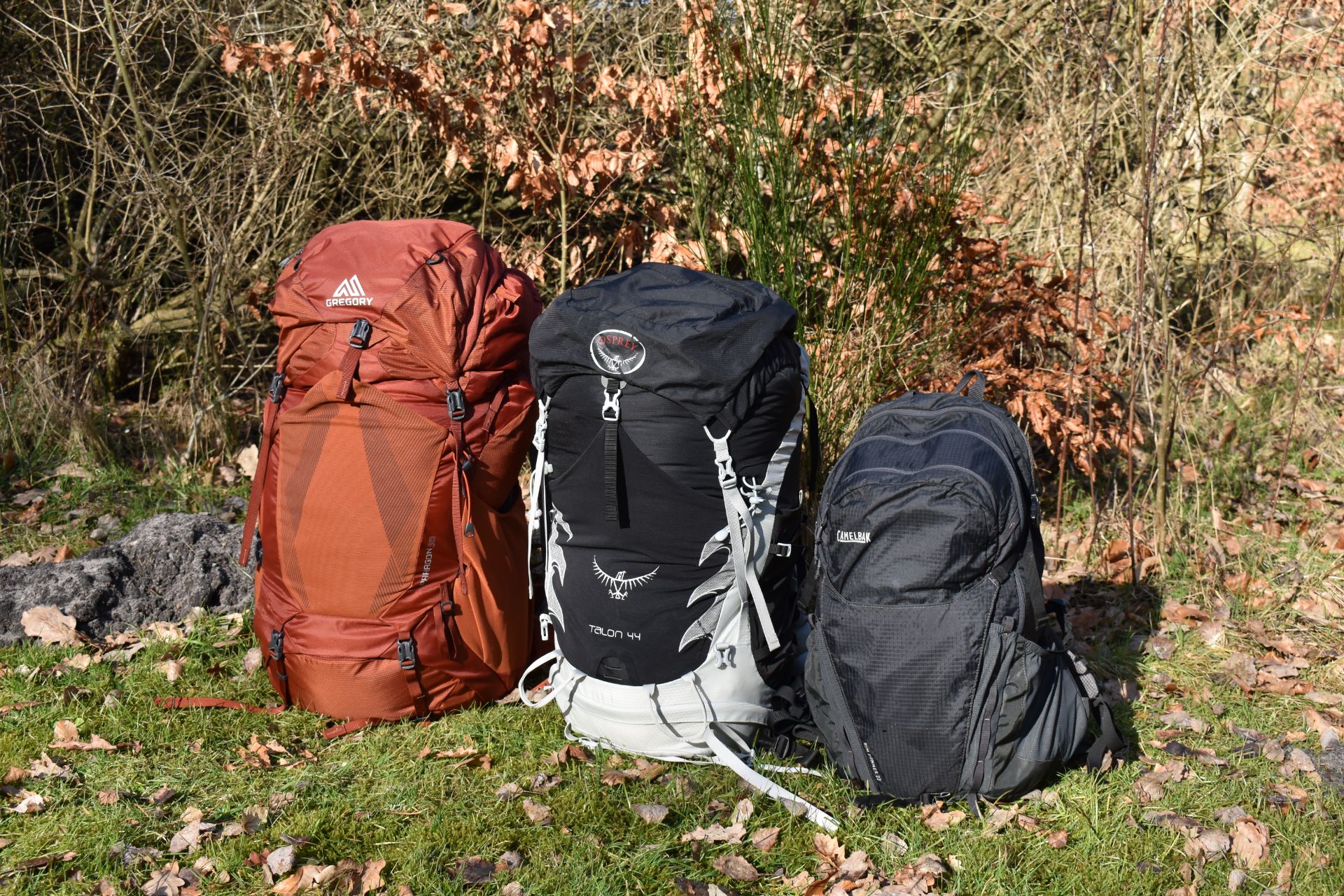
Capacity means how much stuff the backpack can hold. It is measured in liters. Small backpacks hold about 20-35 liters. Medium packs range from 40-60 liters. Large packs are 60 liters or more. Choose a size based on your trip length. A day trip needs less space than a week-long hike.
Fit And Frame Types
A good fit keeps you comfortable. Backpacks come in different frame styles. Internal frames fit close to your back. External frames sit away from your body. Some packs have no frame at all. Measure your torso length before buying. Adjustable straps help get the perfect fit. Proper fit reduces back pain and strain.
Weight And Materials
Lightweight backpacks make hiking easier. Heavy packs tire you faster. Look for durable but light materials like nylon. Ripstop fabric prevents tears. Waterproof or water-resistant materials protect your gear from rain. Strong zippers and seams add to the pack’s life. Balance weight and strength for the best choice.
Suspension System
The suspension system supports your load. It transfers weight from your shoulders to your hips. Padded shoulder straps add comfort. Hip belts reduce pressure on your back. Some packs have adjustable suspension for better fit. Good suspension reduces fatigue during long hikes.
Pockets And Compartments
Multiple pockets help organize your gear. Side pockets hold water bottles. Front pockets keep small items handy. Internal compartments separate clothes and food. Some packs have special pockets for hydration bladders. Easy access pockets save time on the trail. Choose a pack with enough compartments for your needs.
Credit: nailthetrail.com
Key Features To Consider
Choosing the right size backpack is key for a comfortable hiking trip. A backpack that fits well reduces strain on your back and hips. It helps you carry your gear easily over long distances. Focus on three main things: torso length, hip belt fit, and adjustability. Each part affects how the pack feels and supports your body.
Measuring Torso Length
Torso length is the distance from the base of your neck to your hip bones. This measurement tells you how tall your pack frame needs to be. Use a soft tape measure or a piece of string. Find the bony bump at the base of your neck. Then measure down to the top of your hip bone. This length helps pick a backpack that fits your back size.
Hip Belt Fit
The hip belt carries most of the pack’s weight. It should fit snugly around your hips, not your waist. Place the belt on your hip bones. Tighten it so it feels secure but not tight. A good hip belt takes pressure off your shoulders. This makes hiking easier and prevents pain. Check for padding and comfort in the belt too.
Adjustability Options
Adjustable straps allow you to customize the fit. Look for shoulder straps that move up and down. Load lifter straps help pull weight closer to your body. Sternum straps add extra support across your chest. These adjustments keep the pack stable while you walk. A well-adjusted pack feels light and balanced on your back.
Sizing Your Backpack
Choosing a backpack means thinking about how it carries weight and feels on your body. Comfort matters a lot on long hikes. A backpack that fits well can make your trip easier and more fun. Focus on how the load spreads, padding, and straps. These parts keep you comfortable and reduce tiredness.
Load Distribution
Good backpacks spread the weight evenly. They put most weight on your hips, not your shoulders. This helps you walk longer without pain. Check for a strong hip belt. It moves the load away from your back. Balanced weight stops you from leaning forward or back. That keeps your body steady on rough paths.
Padding And Ventilation
Soft padding protects your body from hard edges. Look for thick padding on shoulder straps and the back panel. It stops pressure points and skin rubbing. Ventilation is important too. Mesh panels or air channels let air flow. This keeps your back dry and cool. Good airflow reduces sweat and discomfort on hot days.
Straps And Harnesses
Adjustable straps help fit the backpack to your body. Shoulder straps should fit snug but not squeeze. Sternum straps keep the pack steady and balanced. Load lifter straps pull the weight closer to your body. This stops the pack from pulling backwards. Check for easy-to-use buckles and strong stitching. These details improve comfort and safety on the trail.
Load Carrying And Comfort
Special features and accessories can make your backpacking trip easier and safer. These extras add comfort and help keep your gear organized. Choosing a backpack with the right features saves time and effort during your hike.
Hydration Compatibility
A hydration system lets you drink water without stopping. Many backpacks have a special sleeve for water bladders. Look for a backpack with a tube outlet for easy access. Staying hydrated is key on long trails.
Rain Covers
Rain covers protect your backpack and gear from wet weather. Some backpacks include a built-in rain cover. Others have a pocket to store a rain cover separately. A rain cover keeps your belongings dry in unexpected rain.
Attachment Points
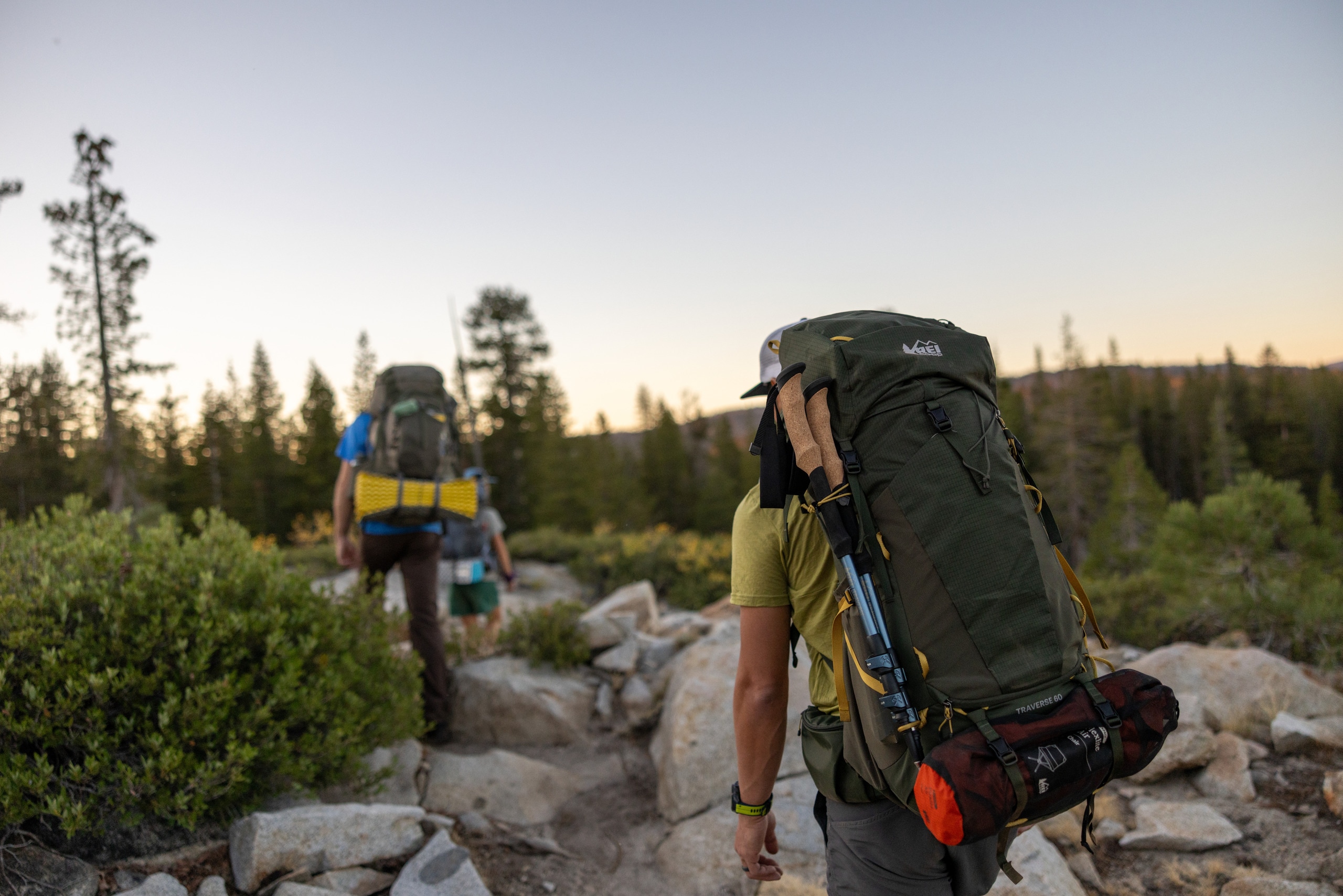
Attachment points let you carry extra gear outside your pack. Use loops and straps for tools like trekking poles or sleeping bags. Check for sturdy and easy-to-use attachment points. They expand your carrying options on the trail.
Security Features
Security features help keep your gear safe from theft. Look for lockable zippers or hidden pockets. Some backpacks have RFID-blocking compartments for cards. These features protect your valuables during your adventure.
Special Features And Accessories
Choosing the right backpack means balancing quality and price. Your budget plays a big role in this decision. Spending wisely ensures you get a pack that fits your needs without overspending. Backpack prices vary a lot. Understanding different price ranges helps you find the best option for your adventure.
Entry-level Options
Entry-level backpacks are perfect for beginners or occasional hikers. They usually cost less and cover basic needs. These packs are simple but reliable for short trips. Materials might be lighter and less durable than pricier models. Still, they offer good comfort and storage for easy hikes. Great for those just starting with backpacking.
Mid-range Backpacks
Mid-range backpacks balance price and features well. They have better materials and more support than entry-level packs. These backpacks last longer and handle rougher conditions. Ideal for regular hikers who want comfort and durability. Often include extra pockets and adjustable straps. A solid choice if you hike often but want to stay within budget.
Premium Models
Premium backpacks offer top quality and advanced features. They use strong, lightweight materials and smart designs. These packs handle long trips and heavy loads easily. They provide excellent comfort with custom fits and padding. Perfect for serious backpackers who need reliable gear. Expect to pay more for these high-end backpacks.
Budget Considerations
Trying and testing backpacks is key to finding the right one. Each person’s body and needs differ. A backpack may look good but feel wrong. Taking time to try backpacks helps avoid mistakes. It gives a chance to check comfort and fit before buying.
Fitting In Store
Visit a store that sells backpacks for hiking. Put on the backpack with some weight inside. Adjust the straps and hip belt. Walk around to feel how it fits your body. Check if it sits well on your hips. Make sure the shoulder straps do not dig into your skin. A good fit means less pain on the trail.
Load Testing
Pack the backpack with items close to your usual load. Try to carry it for a few minutes. Notice how the weight feels on your back and shoulders. Test walking up and down stairs if possible. This shows how the backpack handles weight. It helps find if the backpack distributes weight well.
User Reviews And Recommendations
Read reviews from other hikers. Look for comments about comfort and durability. See if users mention any common problems. Check recommendations from trusted outdoor sources. Real user feedback gives insight beyond product descriptions. It helps find backpacks that work well for others like you.
Trying And Testing Backpacks
Taking care of your backpack keeps it strong and lasting longer. Proper maintenance helps protect your gear and saves money on replacements. A clean, well-kept backpack performs better on every trip.
Cleaning Tips
Remove all items before cleaning your backpack. Use a soft brush or cloth to clear dirt and dust. For stains, use mild soap and warm water. Avoid harsh detergents that damage fabric or coatings. Rinse well to remove soap residues. Let your backpack air dry completely before storing it.
Storage Advice
Store your backpack in a cool, dry place. Keep it away from direct sunlight to avoid fading. Do not store it in damp or humid areas. Stuff the backpack lightly to keep its shape. Avoid piling heavy items on top of it. Proper storage prevents mold and fabric damage.
Repair And Warranty
Check for small tears or broken zippers regularly. Fix minor issues quickly to stop further damage. Use repair patches or sewing kits for small holes. Many backpacks come with warranties for defects. Keep your purchase receipt and warranty details safe. Contact the manufacturer for professional repairs if needed.
Credit: www.rei.com

Credit: www.youtube.com
Frequently Asked Questions
What Size Backpack Is Best For Multi-day Trips?
Choose a backpack between 50-70 liters for multi-day trips. This size fits essentials and allows comfortable packing without excess weight. It balances capacity and portability, making it ideal for most backpacking adventures.
How To Find The Right Backpack Fit For Hiking?
Measure your torso length and hip circumference to find the right fit. A properly fitted backpack distributes weight evenly, reducing strain and improving comfort on long hikes.
What Features Should A Backpack Have For Backpacking?
Look for padded straps, adjustable hip belts, ventilation, multiple compartments, and hydration compatibility. These features enhance comfort, organization, and convenience during backpacking trips.
How Much Weight Should A Backpack Carry Comfortably?
A backpack should carry no more than 20-25% of your body weight. Keeping the load light prevents fatigue and injury, ensuring a safer and more enjoyable hike.
Conclusion
Choosing the right backpack makes your trip easier and more fun. Think about size, weight, and comfort first. A good fit helps you walk longer without pain. Check for pockets and straps that suit your gear. Don’t rush—take time to try different backpacks.
Your pack should match your trip type and length. Carry only what you need to stay light. Remember, a well-chosen backpack supports your adventure every step. Happy hiking!